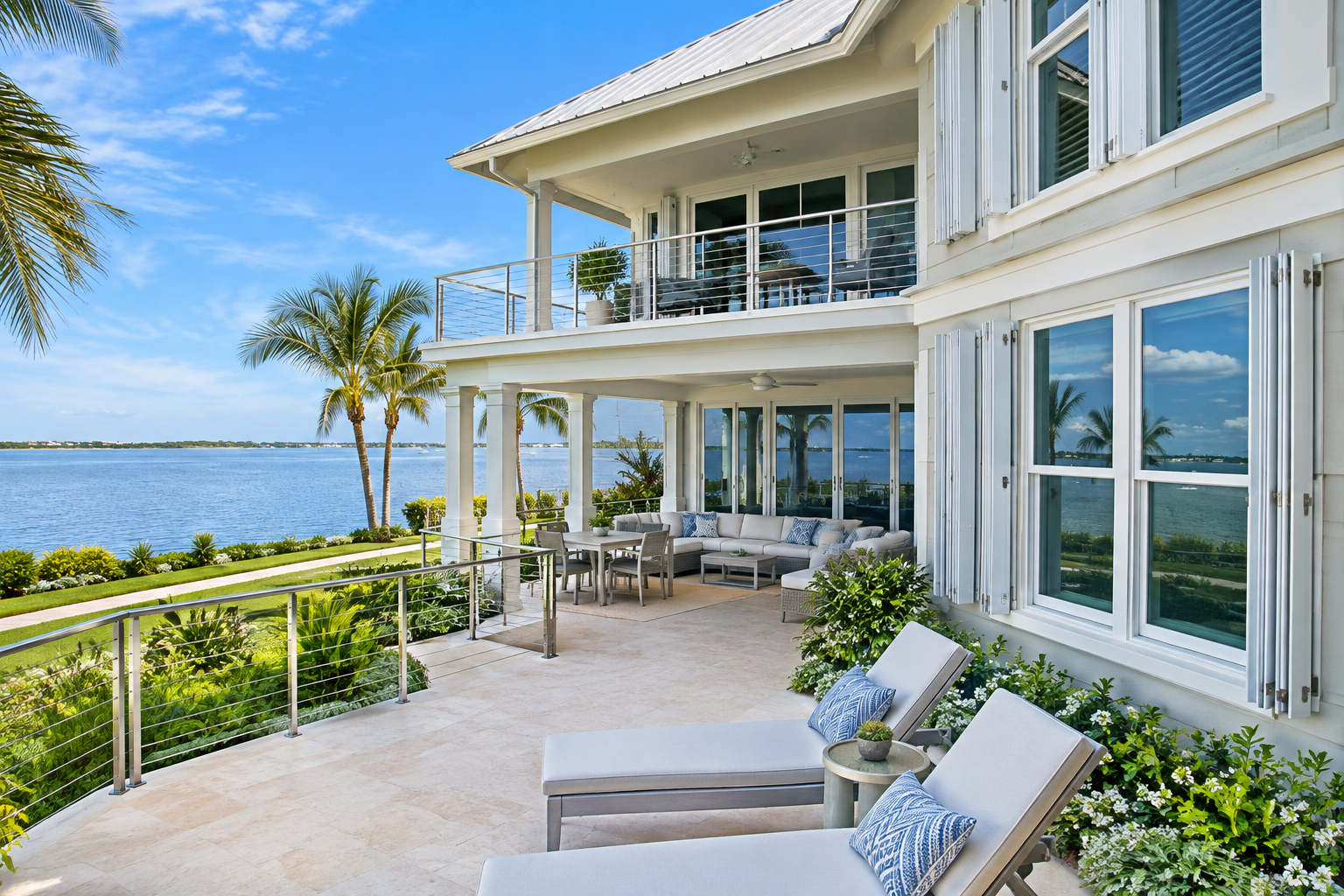

Vero Beach buyers looking at oceanfront condos on the barrier island or 55+ communities on the mainland need to read beyond the view, because a building with a recent milestone report, an underfunded reserve line, or incomplete age-verification records can turn an apparently clean purchase into a costly adjustment after closing. Salt air, wind-driven rain, concrete corrosion, and hurricane exposure affect 32963 buildings differently than inland stock, and the paperwork matters just as much as the address.
What a milestone inspection means for a coastal condo
Florida now requires milestone inspections for condominium buildings that meet the state’s height and age thresholds, and coastal property in Indian River County often reaches that review cycle earlier than buyers expect. The inspection is not a cosmetic walk-through. A licensed architect or engineer is looking for signs of substantial structural deterioration in the building shell, balconies, slab edges, waterproofing, load-bearing elements, and other components that take a beating in a salt-air environment.
For a buyer, the most important question is not whether the association says the inspection was completed. It is whether the association has moved from report to action. A clean Phase 1 result is reassuring, but if the engineer flags deterioration, the association may need a Phase 2 inspection, a repair plan, permits, and contractor bids before the building is considered stable from a lending and resale perspective. On barrier-island buildings, Milestone Inspections are no longer a theoretical compliance item, and buyers evaluating Barrier Island Condos should treat the engineer’s findings as part of the purchase price, not a post-closing surprise.
In Vero Beach, that distinction matters because a building can be technically occupied while still carrying repair exposure that affects financing, insurance renewals, and future assessments. Buyers should ask for the full inspection report, board meeting minutes discussing the findings, permit applications, contractor estimates, and any follow-up engineering letters. If the community has already approved repairs, confirm whether the work is complete, partially complete, or simply budgeted.
How maintenance fees reveal whether the board is funding tomorrow’s repairs
Monthly maintenance fees in a coastal condo are never just a bill for lawn care and common-area cleaning. They often include master insurance, elevator service, water and sewer, management, security, pest control, reserves, and sometimes cable or internet. In a building exposed to Atlantic weather, the fee structure tells you whether the board is funding the real cost of ownership or trying to keep dues artificially low while deferring major systems.
That is especially true when a property sits in AE or another flood-prone zone on the barrier island, where insurance pressure and storm exposure can weigh heavily on the budget. A mainland building in Zone X may avoid some flood-driven cost, but that does not mean the association is financially stronger. Older buildings with elevators, flat roofs, or extensive common mechanical systems can still need aggressive reserve funding. In 55 Plus Communities, the association has to keep age-verification records current to preserve HOPA status, while a line item for Elevator Reserves should show up as a planned expense, not a last-minute surcharge.
Buyers should also review the reserve study and the recent history of special assessments. If the association has had to levy repeated assessments for concrete repair, elevator modernization, or roof replacement, the monthly fee alone is not telling the whole story. A well-run board will show you where the money goes, how much is reserved for future work, and whether the budget can absorb another round of repairs without shifting the burden to individual owners. For 55+ communities, age-restriction compliance matters too: the community must maintain records showing that at least 80% of occupied units have at least one person age 55 or older, and those records should be current, documented, and enforceable.
Four due-diligence checks before you buy
- Request the structural file. Ask for the milestone inspection report, reserve study, latest budget, insurance summary, and board minutes discussing any open repair items or special assessments.
- Verify age-restriction compliance. In a 55+ community, confirm HOPA documentation, occupancy records, guest and lease rules, and whether the association actively audits compliance.
- Break down every fee. Identify what the monthly maintenance fee covers, how much is allocated to reserves, whether elevator modernization is funded, and whether any assessments are already approved but not yet billed.
- Match the unit to the risk map. Review the flood zone, wind exposure, evacuation logistics, parking, rental restrictions, and any Indian River County permit history tied to recent repairs or renovations.
Final Considerations for Vero Beach Buyers
The smartest Vero Beach buyers do not choose between lifestyle and financial caution; they insist on both. In a coastal market where concrete, steel, elevators, and insurance costs respond to salt, storms, and regulation, a condo or 55+ community should be judged by its records as much as its amenities. If the inspection trail is thin, the reserves are weak, or the age-verification file is sloppy, the risk usually shows up later as a special assessment, a delayed closing, or a resale problem. That is why local knowledge matters in 32963 and across Indian River County: the right property is the one that can handle the next inspection cycle, the next budget cycle, and the next hurricane season without surprising its owners.
FAQ
How do I verify a condo’s milestone inspection status before I make an offer?
Ask for the full inspection report, any Phase 2 engineering follow-up, board minutes, permit records, and notices about repairs or assessments. A completed inspection is not the same thing as a fully funded repair plan.
What matters most in a Vero Beach 55+ community budget?
Look for current HOPA age-verification records, a clear list of what the monthly fee covers, and reserve funding for elevators, roofs, insurance deductibles, and other major common elements. Request the governing documents and most recent budget before you waive contingencies. For tailored guidance and experienced local representation, connect with MacEvoy Real Estate Co. to protect your coastal investment.