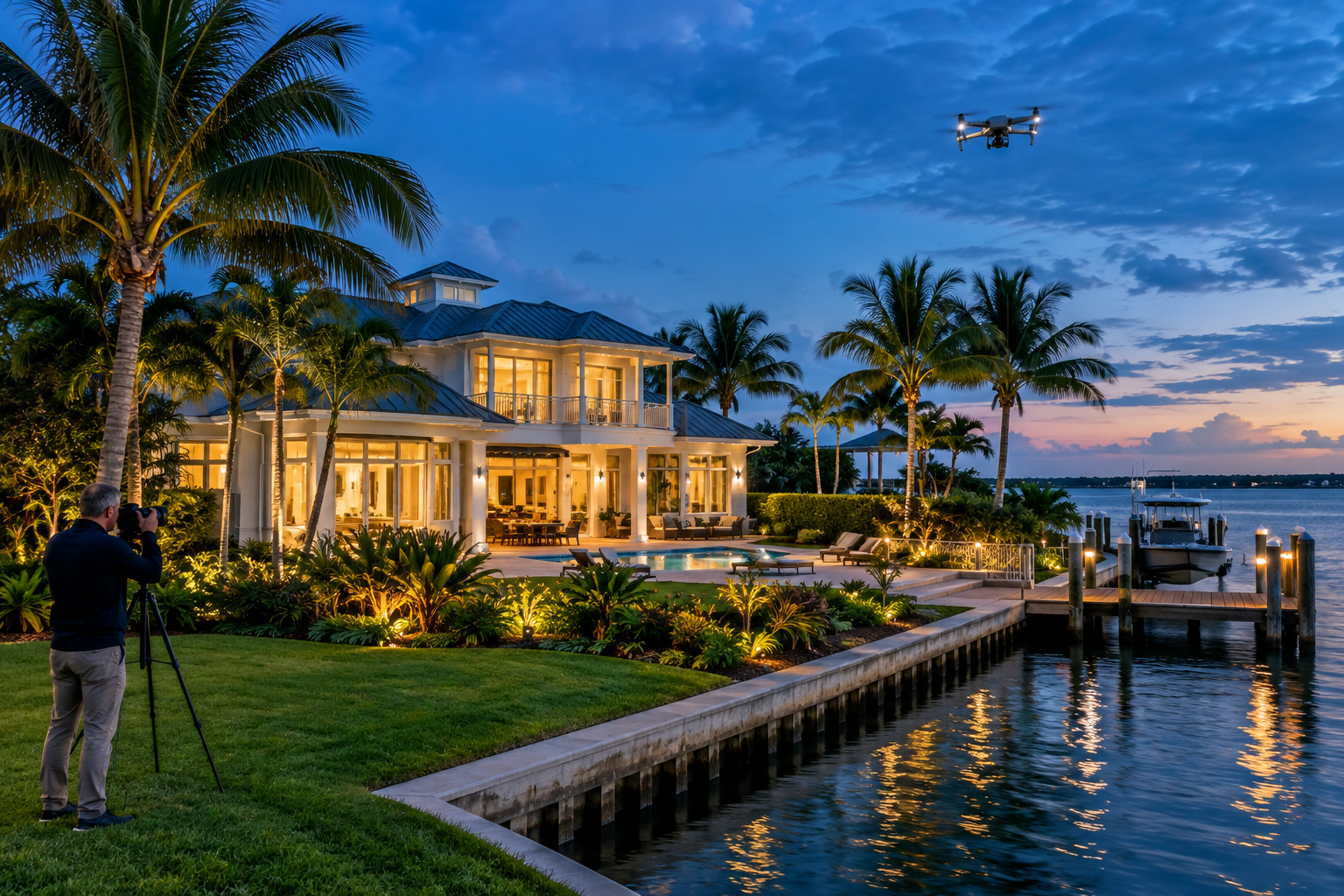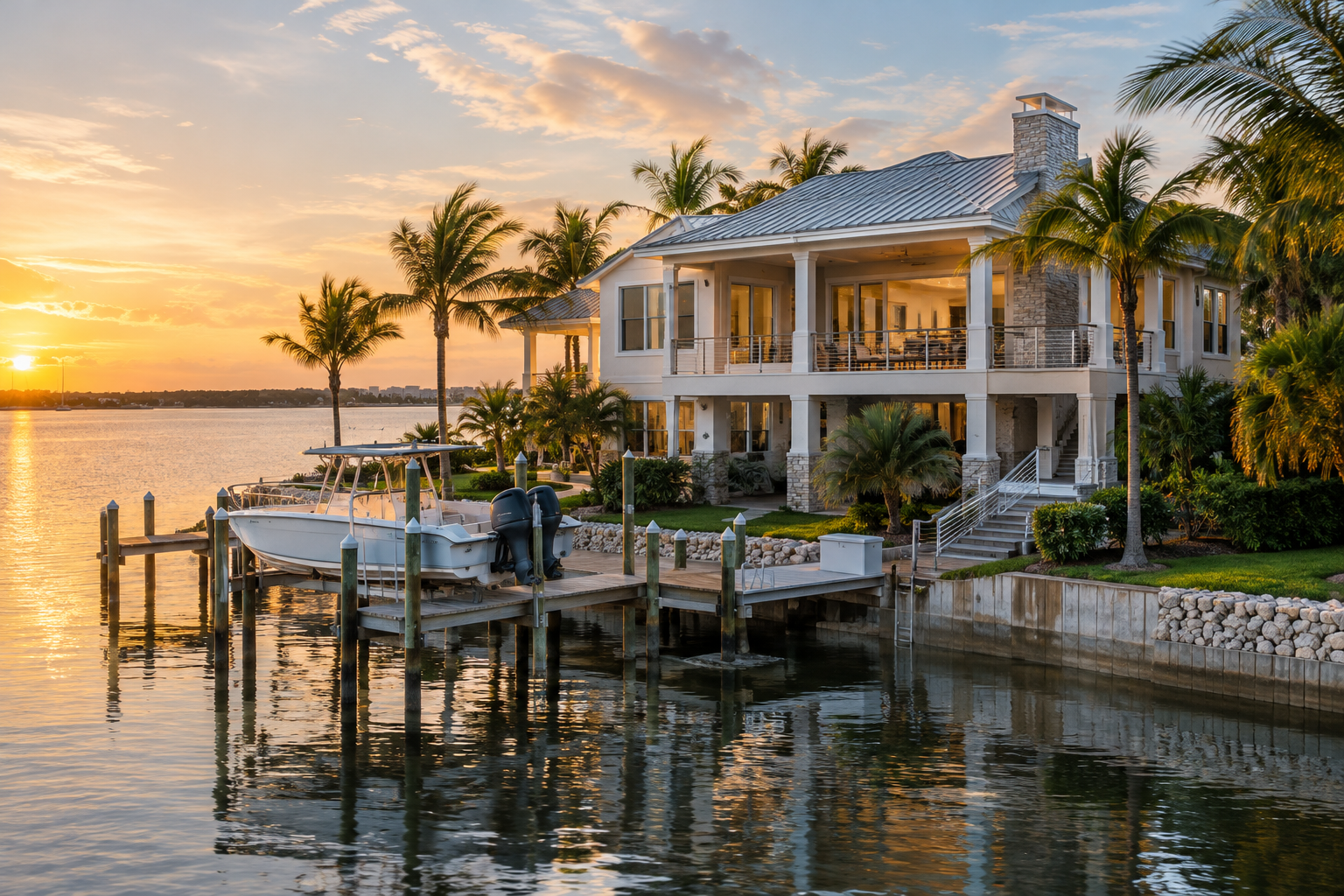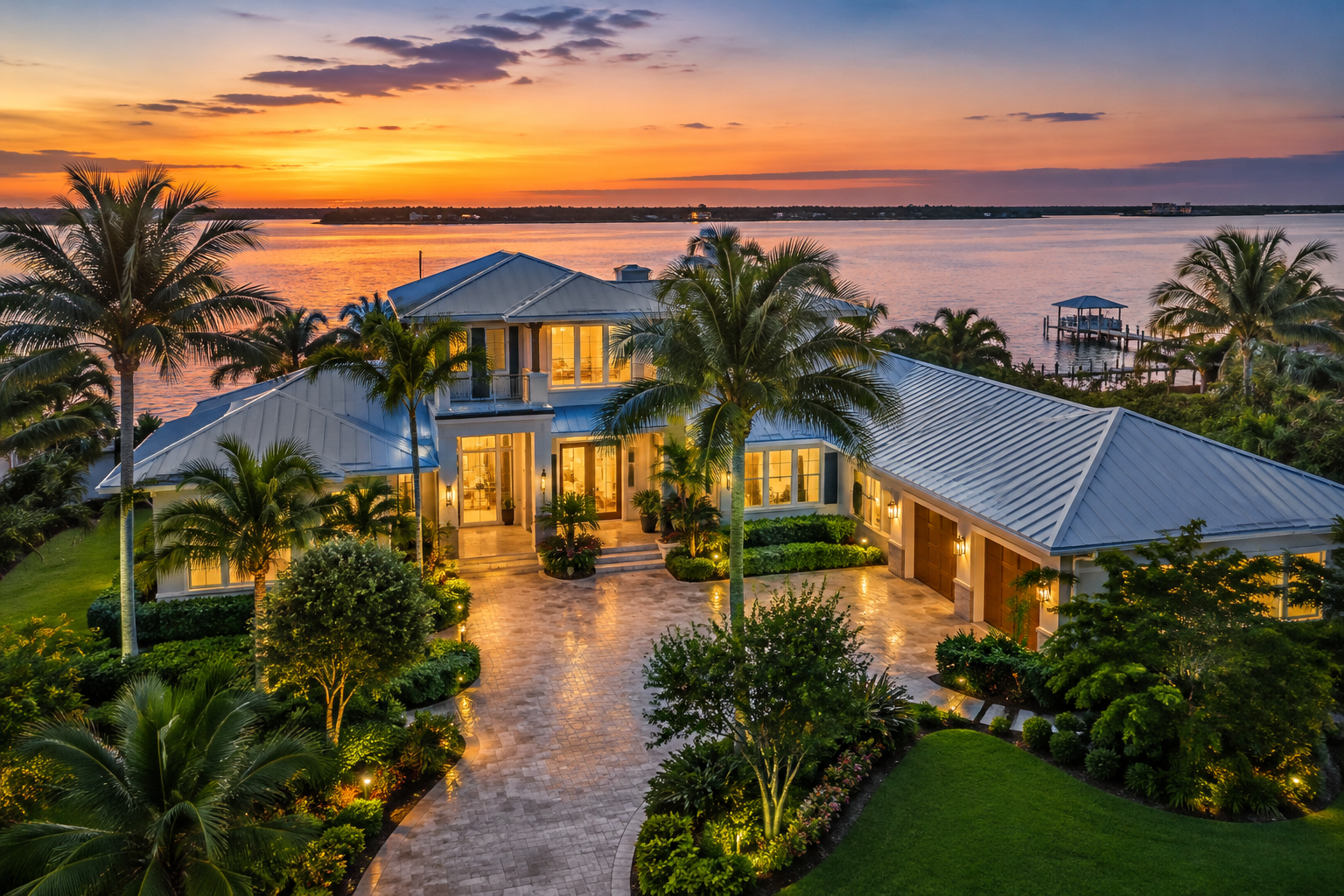
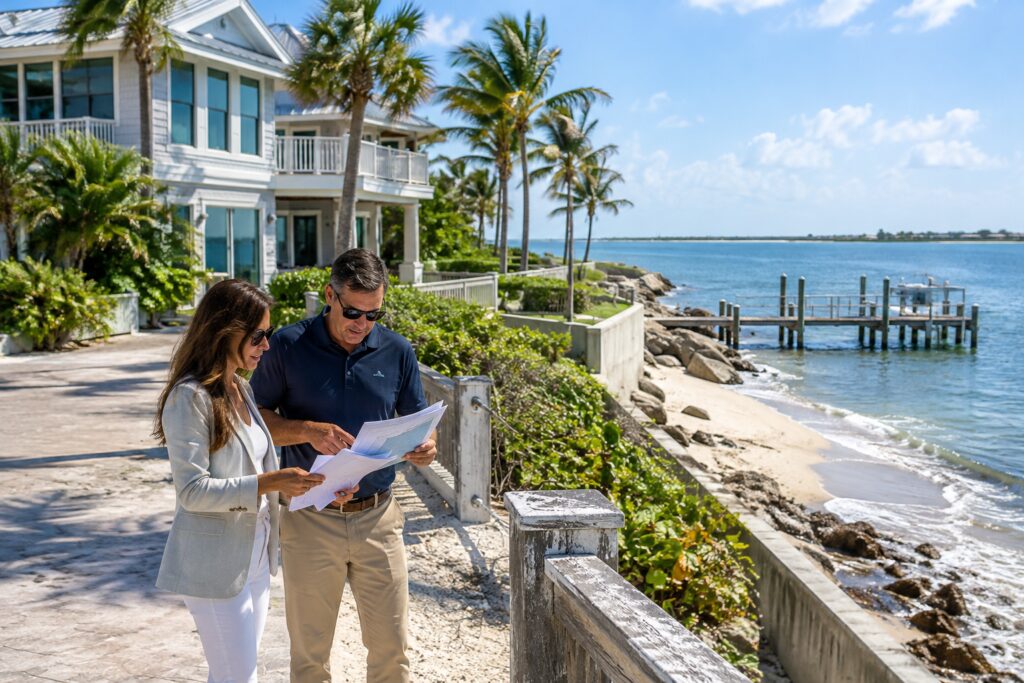
In Vero Beach, the biggest difference between an oceanfront purchase on the 32963 barrier island and a riverfront home along the Indian River Lagoon is not the view; it is the due diligence hidden behind the view, from flood elevation data and windstorm credits to the condition of salt-exposed concrete, railings, and seawalls.
Why the elevation certificate should be read alongside the flood map, not instead of it
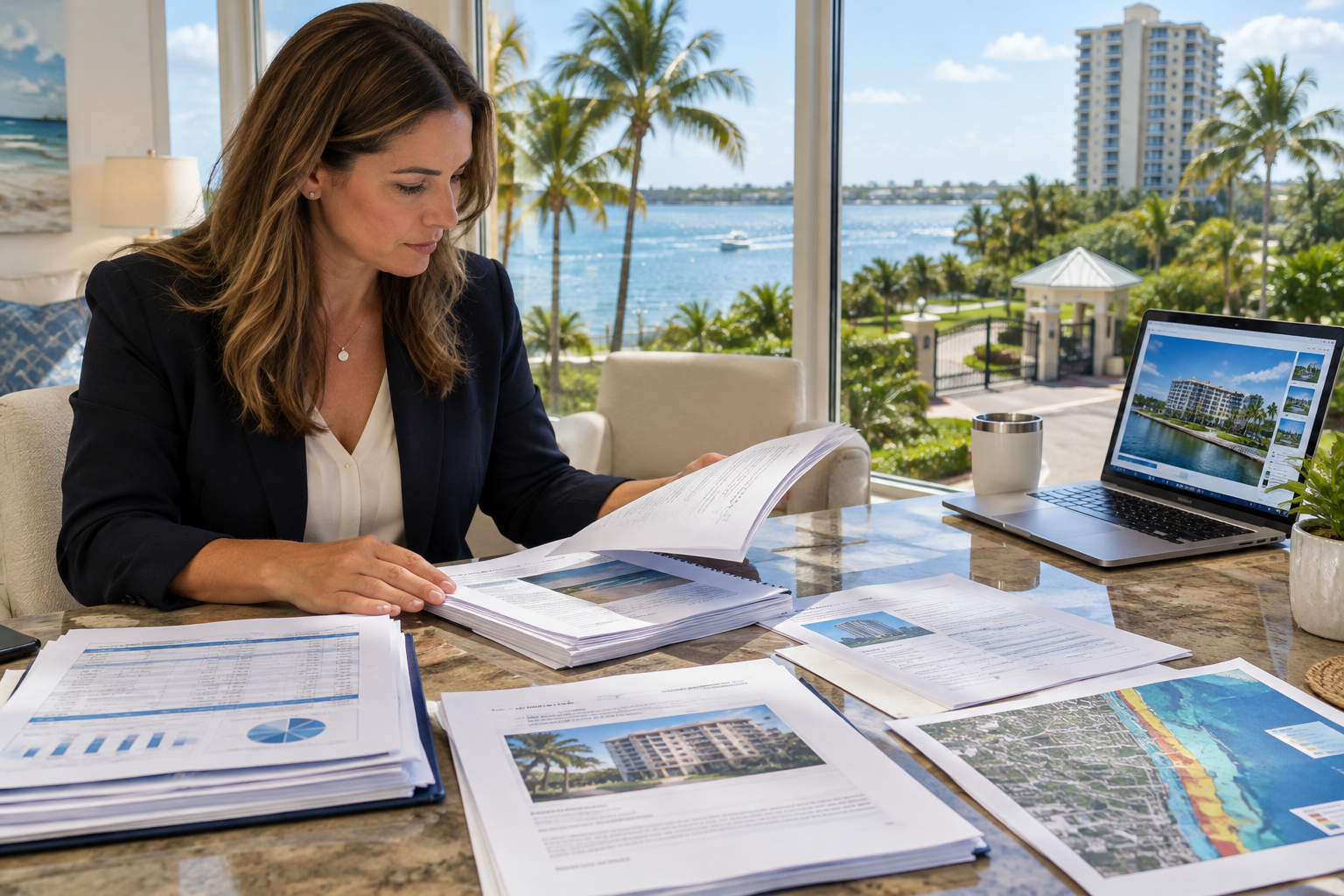
An elevation certificate is one of the first documents a serious coastal buyer should request, but it only becomes useful when it is read in context. In Indian River County, a home may sit in AE, X, or, on some oceanfront parcels, a stricter coastal flood designation that changes both lender expectations and insurance pricing. The certificate tells you the finished-floor elevation, lowest adjacent grade, and whether enclosures or utilities sit below base flood elevation. That matters on the barrier island, where storm surge, dune overtopping, and runoff patterns can affect a property differently than a mainland lot with the same square footage. It also matters on riverfront homes along the Indian River Lagoon, where a higher elevation can still leave a buyer exposed to drainage problems, bulkhead failure, or tidal backup. Do not assume a low premium means low risk. Underwriters also review claims history, roof age, opening protection, and whether the home has been altered without permits. A property that appears solid on paper can still be expensive to insure if the lowermost enclosed area, mechanical equipment, or access points create a higher exposure than the flood map suggests.
Buyers should also separate flood-zone assumptions from actual site conditions. A home in Zone X is not automatically a low-risk coastal asset if it sits near a lagoon edge, has poor grading, or depends on an aging drainage system. A home in AE may still be well-positioned if it has a strong elevation profile, documented mitigation, and a clean permit history. On the barrier island, lenders and insurers may scrutinize the relationship between the living level, garage level, and any breakaway wall assembly. On the riverfront, the questions shift toward seawall height, dock permits, riparian access, and whether previous repairs were performed under proper county approval. The best buyers use the elevation certificate as a starting point, then layer in insurance quotes, survey data, and a close read of the site itself.
The coastal materials and structural systems that fail first in salt air
Salt air does not wait for a convenient repair cycle. It attacks fasteners, railing systems, balcony hardware, exterior lighting, HVAC coils, garage door components, and any metal connection left unprotected. On Vero Beach oceanfront properties, the fastest warning signs are often small: rust bleeding through stucco, corrosion at window frames, pitted balcony rails, cracked sealant around impact glass, or roof edge wear where wind and salt meet. Riverfront homes face a different but equally important pattern. They may avoid direct surf exposure, yet they often carry their own risks through dock structures, seawall caps, tiebacks, and wake-driven erosion. A buyer who only inspects cosmetics can miss the costliest part of the asset, which is the system behind the finish.
This is where wind mitigation and 4-point inspections become more than underwriting paperwork. In coastal Florida, insurers care about roof shape, roof age, secondary water resistance, opening protection, roof-to-wall attachments, and the condition of electrical, plumbing, and HVAC systems. If a home is part of an HOA or condominium association, the buyer should also review reserve studies, recent special assessments, milestone inspection results, and any record of concrete restoration or balcony waterproofing. For buildings three stories and higher, Florida’s structural review requirements can influence financing, resale timing, and the true monthly cost of ownership. A pretty ocean view does not offset a major assessment. On the mainland, a well-kept property can still lose value if its community has deferred maintenance or if association documents show underfunded reserves. The coastal buyer who understands the building as a system will always make a sharper offer than the buyer who only sees the setting.
4-point coastal buyer due-diligence checklist
- Confirm the flood story before you fall in love with the view. Order the elevation certificate, verify the flood zone, and ask how the finished floor, mechanical systems, and enclosed spaces compare to base flood elevation.
- Book the right inspections early. A wind mitigation report and 4-point inspection can reveal roof age, opening protection, electrical issues, plumbing concerns, and insurance problems before you commit.
- Review permits and coastal structures line by line. On oceanfront properties, look for documentation tied to windows, roofs, balconies, and dune or drainage work. On riverfront homes, verify seawall, dock, and bulkhead permits and ask who maintained them.
- Study the association documents if the home is attached or governed by an HOA. Reserve strength, milestone inspection history, special assessments, and insurance deductibles can change the real cost of ownership in a hurry.
Final Considerations for Vero Beach Coastal Buyers
The smartest coastal purchase in Vero Beach is the one that matches lifestyle with measurable risk. Oceanfront homes can offer unmatched direct Atlantic access, but they also require closer scrutiny of salt exposure, dune dynamics, and insurance underwriting. Riverfront homes can deliver calmer water and boating convenience, yet they demand careful review of seawalls, docks, drainage, and riparian issues. Whether you are looking on the barrier island or the mainland, the right answer is not to choose the prettiest property first; it is to verify how the home is built, where it sits, and what it will cost to protect over time.
Is oceanfront always riskier than riverfront in Vero Beach?
Not always, but oceanfront properties usually face stronger wind exposure, faster salt deterioration, and more direct storm surge risk. Riverfront homes can still carry meaningful exposure through bulkhead failure, wake erosion, and drainage problems, so each property has to be evaluated on its own site conditions and documentation.
What should a buyer request before making an offer on a coastal home?
Request the elevation certificate, survey, wind mitigation report, 4-point inspection, insurance declarations, permit history, and any HOA or condo documents that mention assessments, reserves, or milestone inspections. For tailored guidance and experienced local representation, connect with MacEvoy Real Estate Co. to protect your coastal investment.