Vero Beach golf-course homes can look simple on the surface, but the real pricing risk often sits in the club documents: whether the membership is equity or non-equity, whether a buyer inherits an initiation fee or merely an annual dues schedule, and whether the lot sits close enough to a private fairway that errant balls, irrigation spray, or maintenance access easements change how you live and insure the property.
Club Dollars: Equity, Non-Equity, and the Cost to Move In
Club economics in Indian River County rarely fit a one-size-fits-all model. Some communities sell a true ownership interest, while others operate as private clubs with mandatory or optional dues tiers. When comparing equity memberships with non-equity structures, buyers need to know who controls the club balance sheet, who votes on capital spending, and whether the seller can pass along the membership without resetting the buy-in at current pricing.
In practical terms, a home can carry a lower sticker price yet cost more over time if the club requires a large initiation fee, recurring food-and-beverage minimums, cart fees, storage fees, or a capital contribution at closing. Some Vero Beach neighborhoods require mandatory membership as a deeded condition, while others let the buyer choose between golf, tennis, and social tiers. That difference can materially affect resale demand, especially when the club is one of the main reasons a buyer is shopping the community in the first place.
Vero Beach buyers should also read the transfer language closely. A transfer may be automatic, subject to board approval, or limited to a one-time window after closing. In some associations, the seller pays the transfer fee; in others, the buyer does. If the home is inside a master-planned club community with separate HOA and club governing documents, both sets of rules need to be reviewed together, not one after the other.
Fairway Maintenance, Setbacks, and Liability on Private Courses
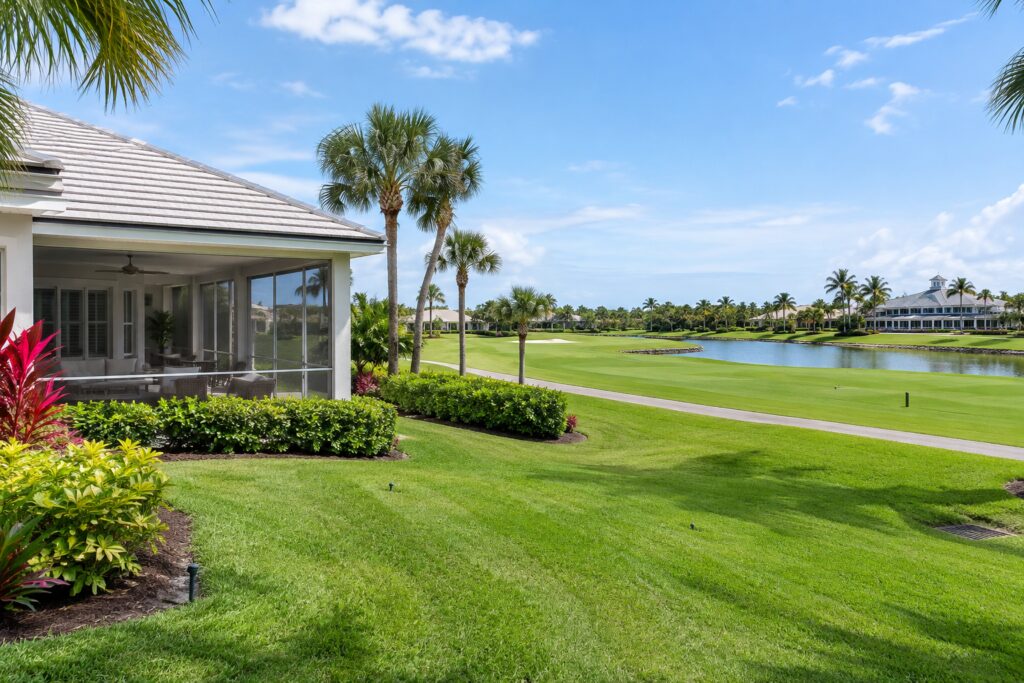
A course-side lot in Vero Beach is not just about views; it is about what sits between the home and the active play area. Setbacks can come from recorded plats, conservation easements, golf-course easements, or architectural rules that limit walls, additions, screened enclosures, and even hedge height. If a property backs to the tee box, the driving range, or the inside corner of a dogleg, the buyer should ask how the community handles errant ball claims, privacy screening, and landscape maintenance on the property line.
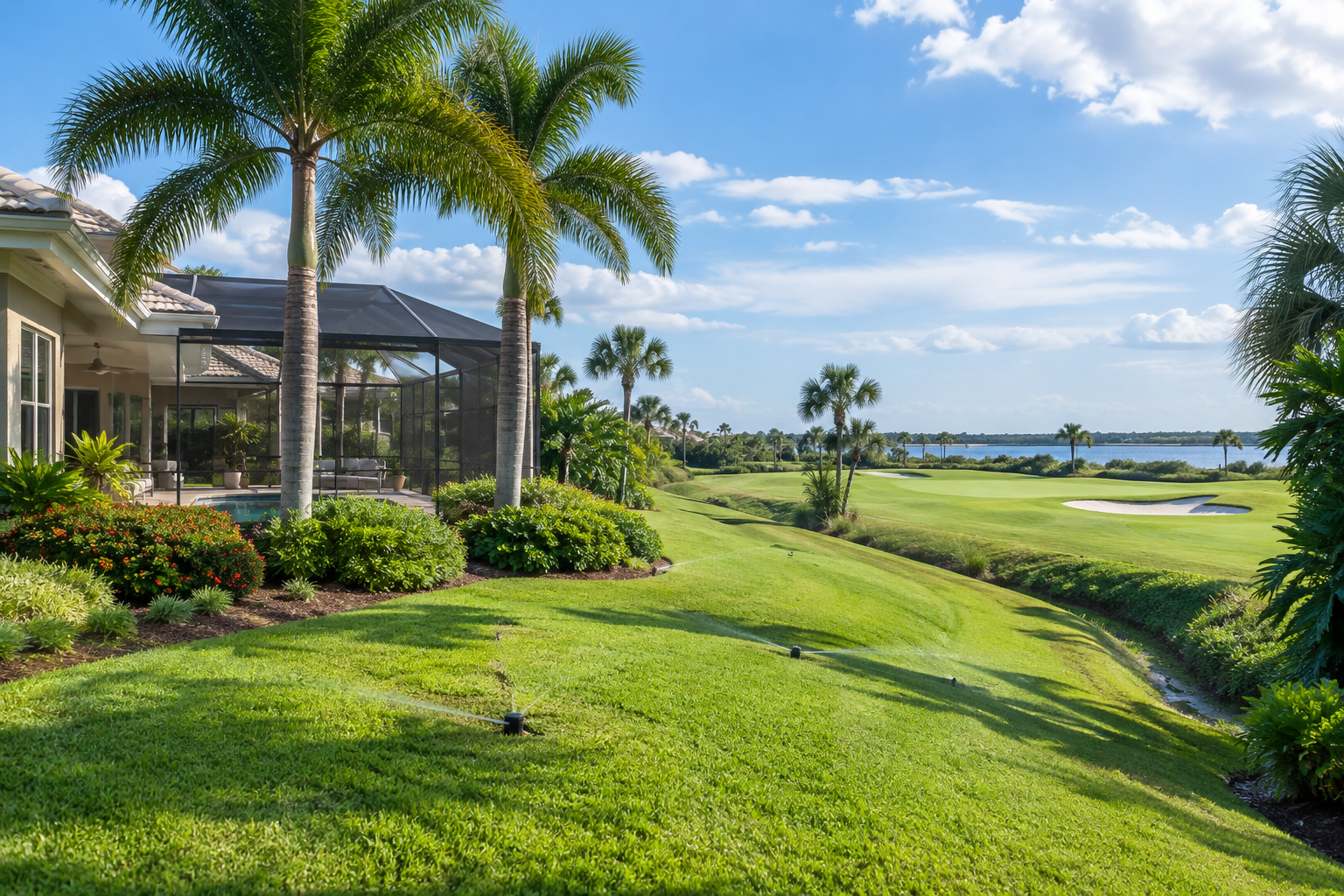
On private fairways, the most expensive infrastructure is often underground. Irrigation mains, reclaimed-water tie-ins, drainage swales, retention ponds, culverts, and pump stations keep the turf playable after a summer downpour or a tropical system moving up the Atlantic coast. Those systems are especially important near the Indian River Lagoon corridor, where water management, soil conditions, and salt exposure can complicate maintenance. In the 32963 barrier island market, a high water table and salt air can increase corrosion and shorten the life of pumps and valves. On the mainland, the lot may appear safer, but a pond overflow or failed outfall line can still create standing water and lawn damage.
That is why flood zoning matters even on golf property. An AE flood zone can mean real insurance costs, elevation questions, and stricter lending review, while an X zone does not eliminate drainage risk. Golf communities can also carry special-assessment exposure if the master association has to replace a pump station, regrade a low fairway, or repair a stormwater system after a major rain event. If the property is part of a villa or condominium enclave, milestone inspection status, reserve funding, and association insurance deductibles can become as important as the clubhouse amenities.
Practical Due Diligence Checklist for Vero Beach Golf Home Buyers
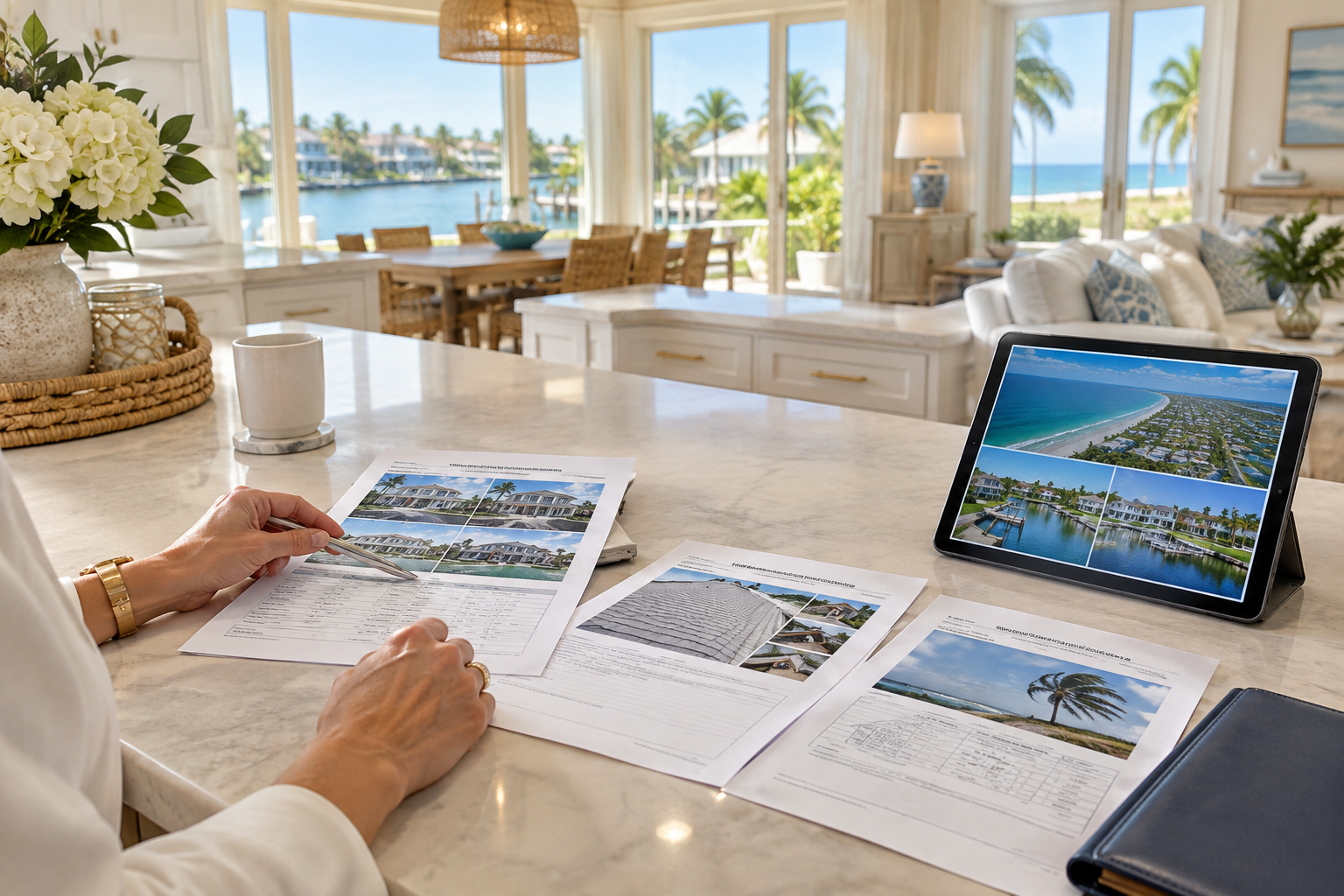
- Verify the membership structure. Ask for the club disclosure packet, fee schedule, transfer rules, initiation requirements, and whether the membership is mandatory, optional, equity-based, or non-equity.
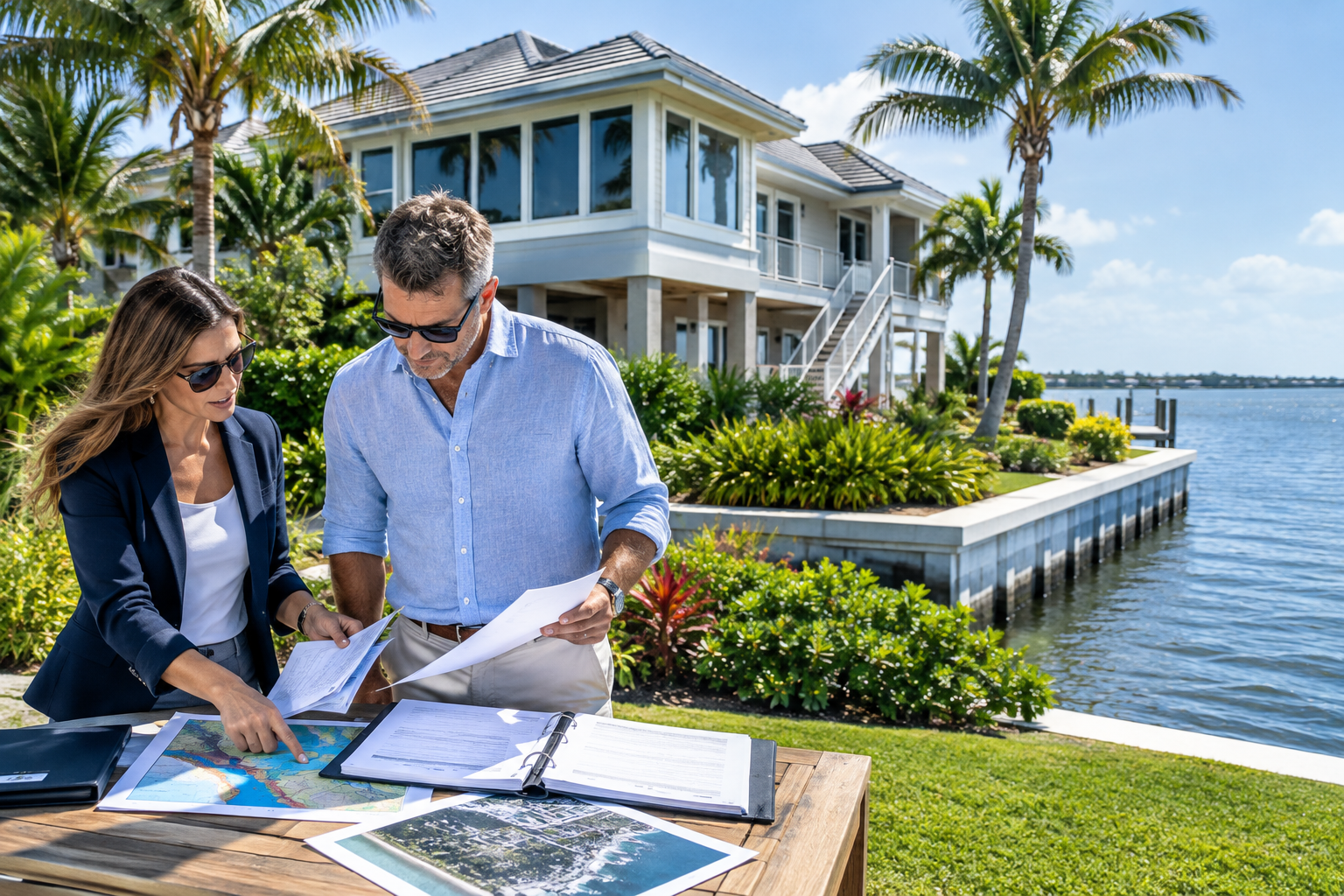
- Review the survey and elevation data. Confirm setbacks, easements, drainage swales, and the home’s relationship to the fairway, cart path, pond edge, and any irrigation or stormwater infrastructure.
- Study the financial documents. Read the HOA budget, reserve study, master association assessments, insurance deductibles, and any pending or recently approved special assessments tied to course maintenance or capital repairs.
- Walk the property in real conditions. Visit after rain if possible, watch sprinkler overspray, note ball-flight exposure, test privacy from the lanai, and ask how the community handles damage claims or landscape replacement near the course boundary.
Final Considerations for Vero Beach Buyers
A Vero Beach golf and country club home can be a strong lifestyle purchase, but only if the buyer understands the full cost stack behind the landscaping and fairway views. The best decisions come from reading the club documents, confirming whether the membership transfers cleanly, checking the property’s flood and drainage exposure, and understanding how the master association manages irrigation and stormwater systems. In this market, the difference between a smooth closing and an expensive surprise is usually found in the details the brochure does not highlight.
FAQ
Are club initiation fees always mandatory in Vero Beach golf communities?
No. Some communities require a mandatory initiation fee or club transfer payment, while others make membership optional or offer separate social and golf tiers. The exact rule depends on the recorded covenants, club bylaws, and seller disclosure package, so the fee structure should be verified before you write an offer.
Can a golf-course home in Vero Beach still have flood risk?
Yes. Fairway lots can still flood from heavy rain, pond overflow, poor grading, or storm-related drainage failures, even when the home is not directly on the shoreline. An AE zone requires separate attention to premiums, elevation, and finished-floor height, while an X zone can still have localized drainage and pond overflow exposure. For tailored guidance and experienced local representation, connect with MacEvoy Real Estate Co. to protect your coastal investment.