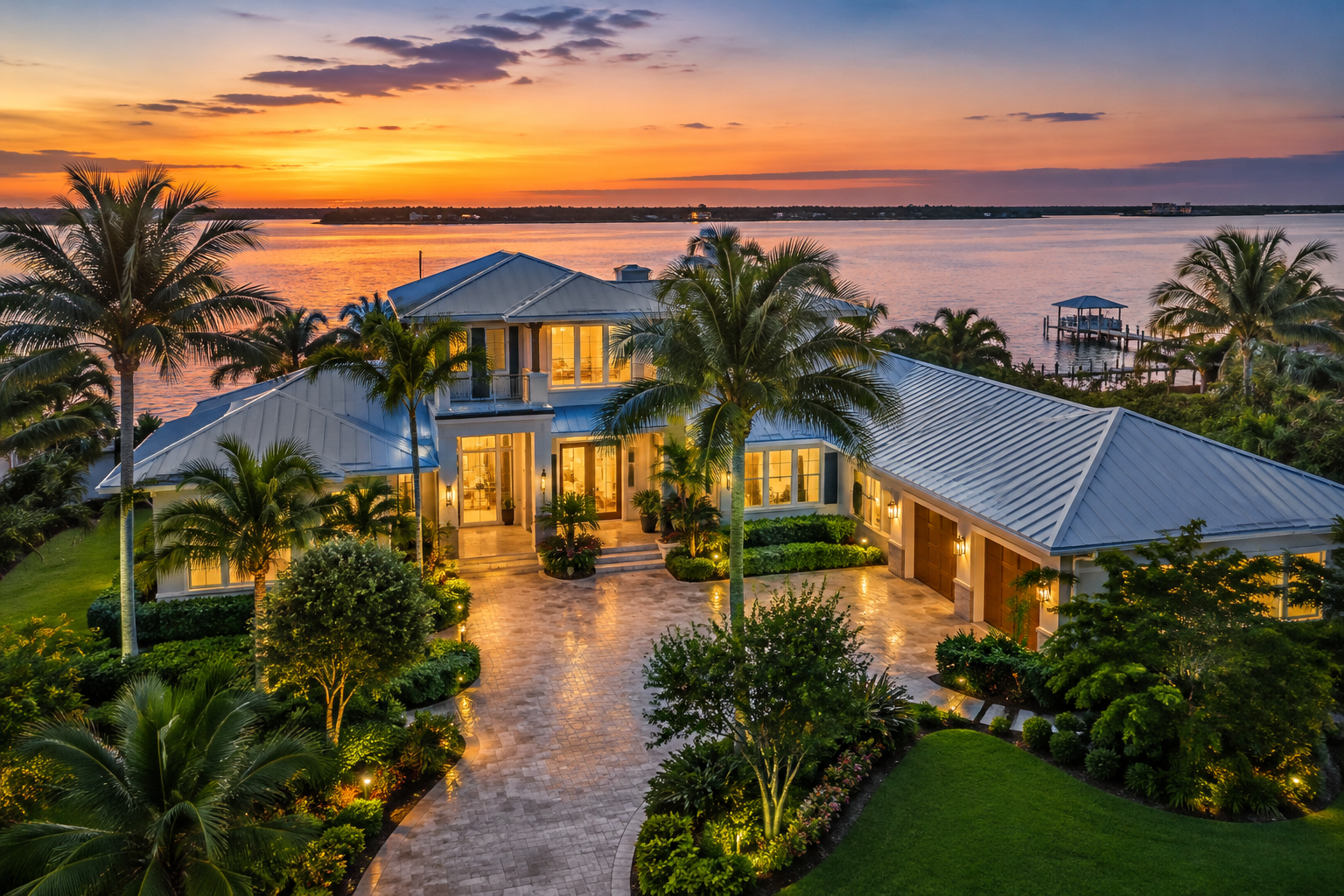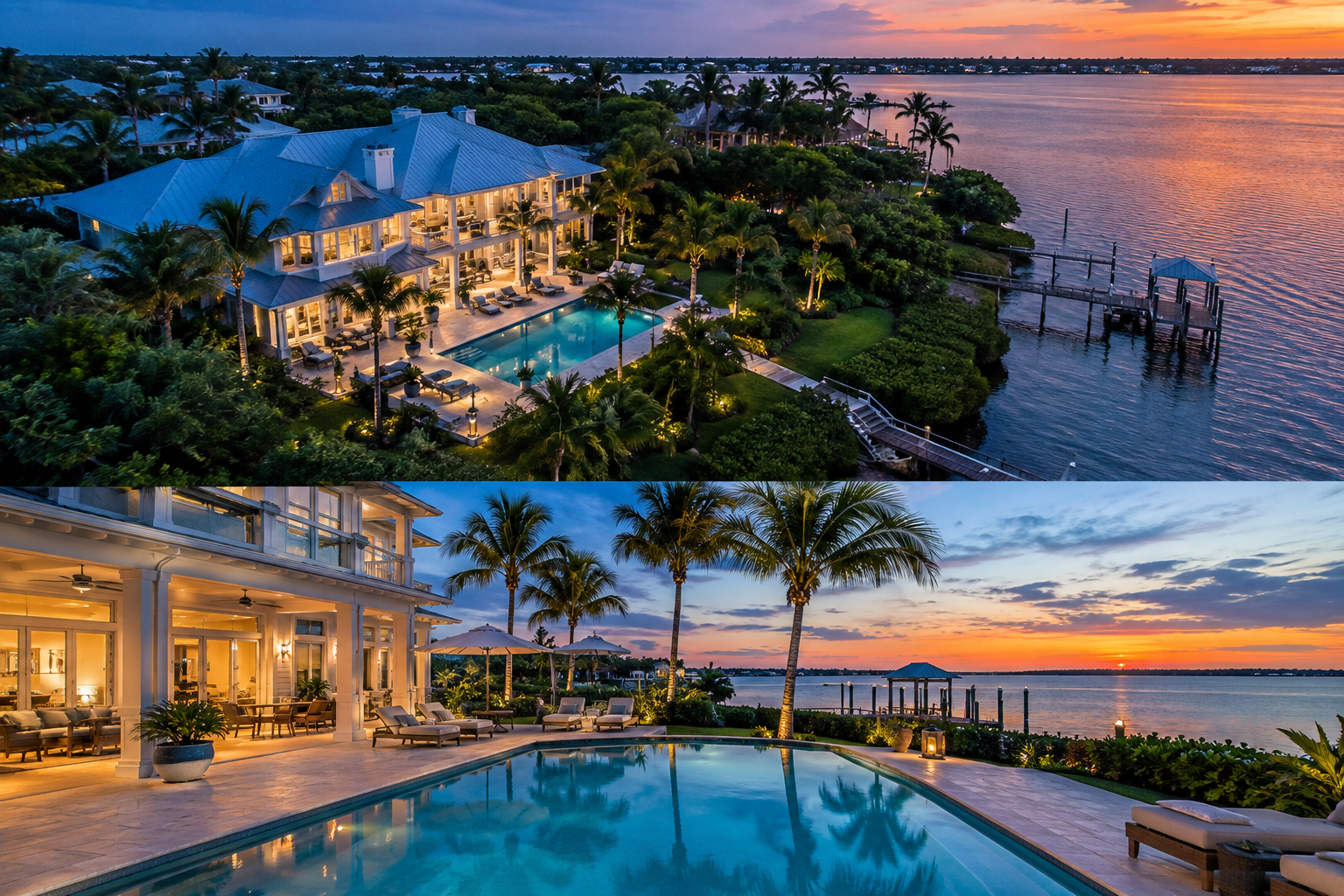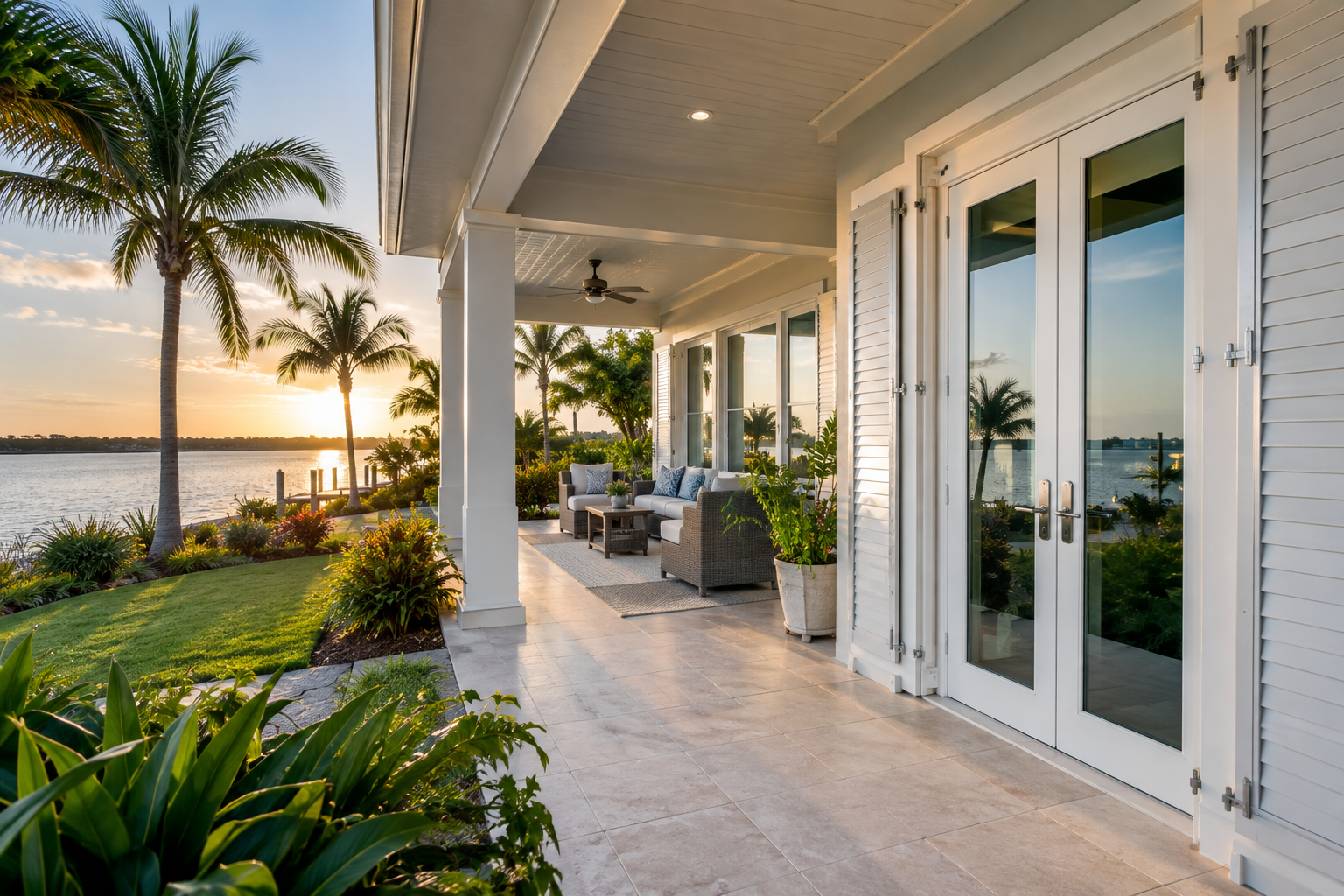
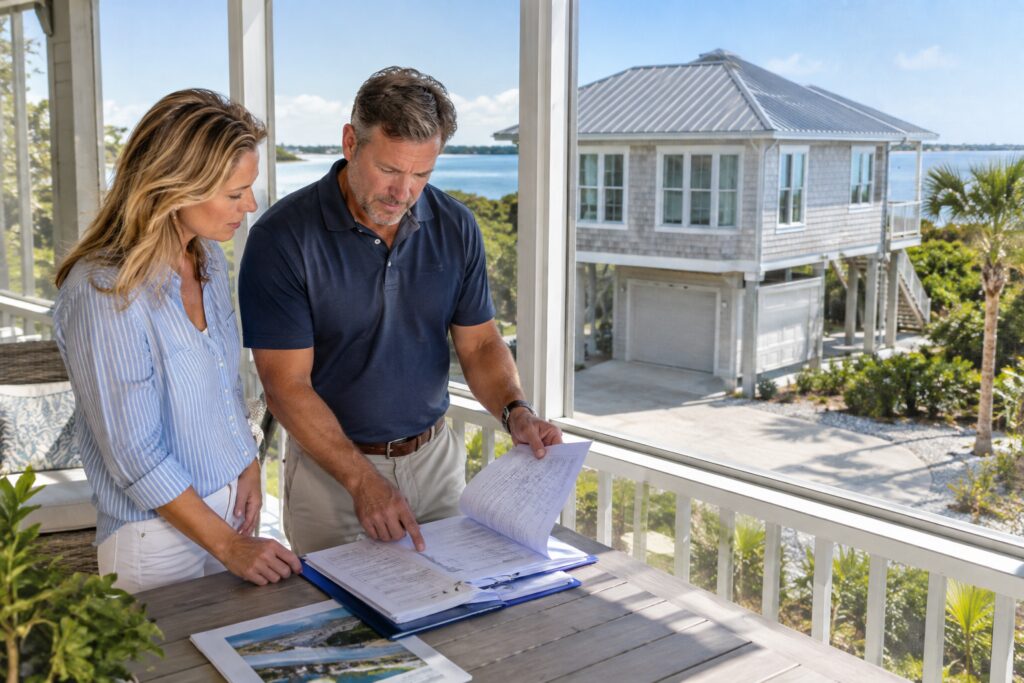
On Vero Beach‘s barrier island and along the Indian River Lagoon, the view is only part of the purchase; the real question is what the lowest floor, garage, and utility spaces mean for flood risk, insurance pricing, and long-term maintenance once the next tropical system pushes water toward the property line.
Why the Lowest Floor Drives Value on 32963 Coastal Properties
In Indian River County, buyers often compare oceanfront, riverfront, and mainland homes as if the water view is the only difference. It is not. A raised Atlantic-side home in 32963 may sit in an AE flood zone with an elevation certificate that keeps the living level above base flood elevation, while a lagoon-front or canal-front property inland might appear safer on paper but still carry drainage, bulkhead, and stormwater concerns that affect cost after closing. The first floor matters because underwriters, lenders, and inspectors all ask the same question: what is below the habitable space, and was it built for coastal exposure or merely adapted to it later?
That distinction changes everything. A garage or storage enclosure below the flood line may be permitted if it meets local and FEMA requirements, but an enclosed room created without proper approvals can trigger underwriting issues, higher premiums, or a demand to correct the condition before closing. On the barrier island, salt air also accelerates wear on fasteners, balcony connections, exterior doors, HVAC components, and metal fixtures. On the mainland, buyers may face older drainage systems, lower lot grades, or past additions that were never engineered for coastal wind and water loads. The home that looks easiest to buy can become the one that costs the most to own if the first floor was not planned correctly.
What Inspectors and Underwriters Want to See Before They Approve the Deal
Insurance is not a formality on a coastal purchase in Vero Beach. Windstorm carriers want proof of roof age, roof covering type, opening protection, roof-to-wall connection strength, and overall structural condition. A wind mitigation inspection can materially affect premiums if the home has clips or straps, impact-rated openings, or other documented features that reduce storm vulnerability. A four-point inspection is equally important because it evaluates the roof, electrical, plumbing, and HVAC systems that insurers use to judge replacement risk. If the property is older, has had repeated repairs, or shows corrosion from salt exposure, those findings can shape both the available coverage and the final underwriting terms.
Condominiums and townhomes on the river or beach require another layer of scrutiny. Florida’s milestone inspection and structural integrity reserve study requirements now matter to buyers in many older associations, especially where buildings are three stories or higher. A strong view from a balcony is not enough if the association has deferred structural work, weak reserves, unresolved concrete restoration, or a special assessment looming after a report. In Indian River County, that can change a buyer’s monthly carrying costs faster than a mortgage rate shift. Review the association budget, reserves, insurance certificates, repair history, and any board notices tied to seawalls, balconies, railings, or exterior waterproofing before you remove contingencies.
4-Point Coastal Buyer Due-Diligence Checklist
- Request the elevation certificate early and compare the finished floor height, garage slab, and equipment placement against the flood zone and lender requirements.
- Verify permit history with Indian River County and the municipality, especially for additions, lanais, docks, seawalls, and enclosed lower-level spaces.
- Order both a wind mitigation inspection and a four-point inspection so you can estimate insurance costs before you commit to the purchase price.
- If the property is in a condo or HOA, review milestone reports, reserve funding, special assessments, and any maintenance responsibilities tied to the roof, exterior, or waterfront structures.
Final Considerations for Vero Beach Coastal Buyers
The smartest coastal purchase in Vero Beach is rarely the one with the flashiest water view; it is the one where the structure, elevation, insurance profile, and association records line up with the reality of living on Florida’s coast. Oceanfront, riverfront, and mainland homes each carry different exposure to wind, salt, tide, and regulation, and the winning offer is the one that accounts for those differences before the contract is signed. Buyers who study the lowest floor, verify permits, and pressure-test the insurance and maintenance picture are far less likely to face surprises after closing.
Does an AE flood zone automatically make a Vero Beach home a poor buy?
No. AE simply means the property deserves a closer look at elevation, flood insurance, and how the lowest floor was built. A well-elevated home with proper documentation and mitigation can still be a strong purchase if the total carrying cost fits your budget.
Why does local representation matter on barrier island and riverfront purchases?
Local representation matters because permits, flood history, seawall condition, condo reserves, and insurance underwriting are shaped by Indian River County realities, not generic market averages. For tailored guidance and experienced local representation, connect with MacEvoy Real Estate Co. to protect your coastal investment.