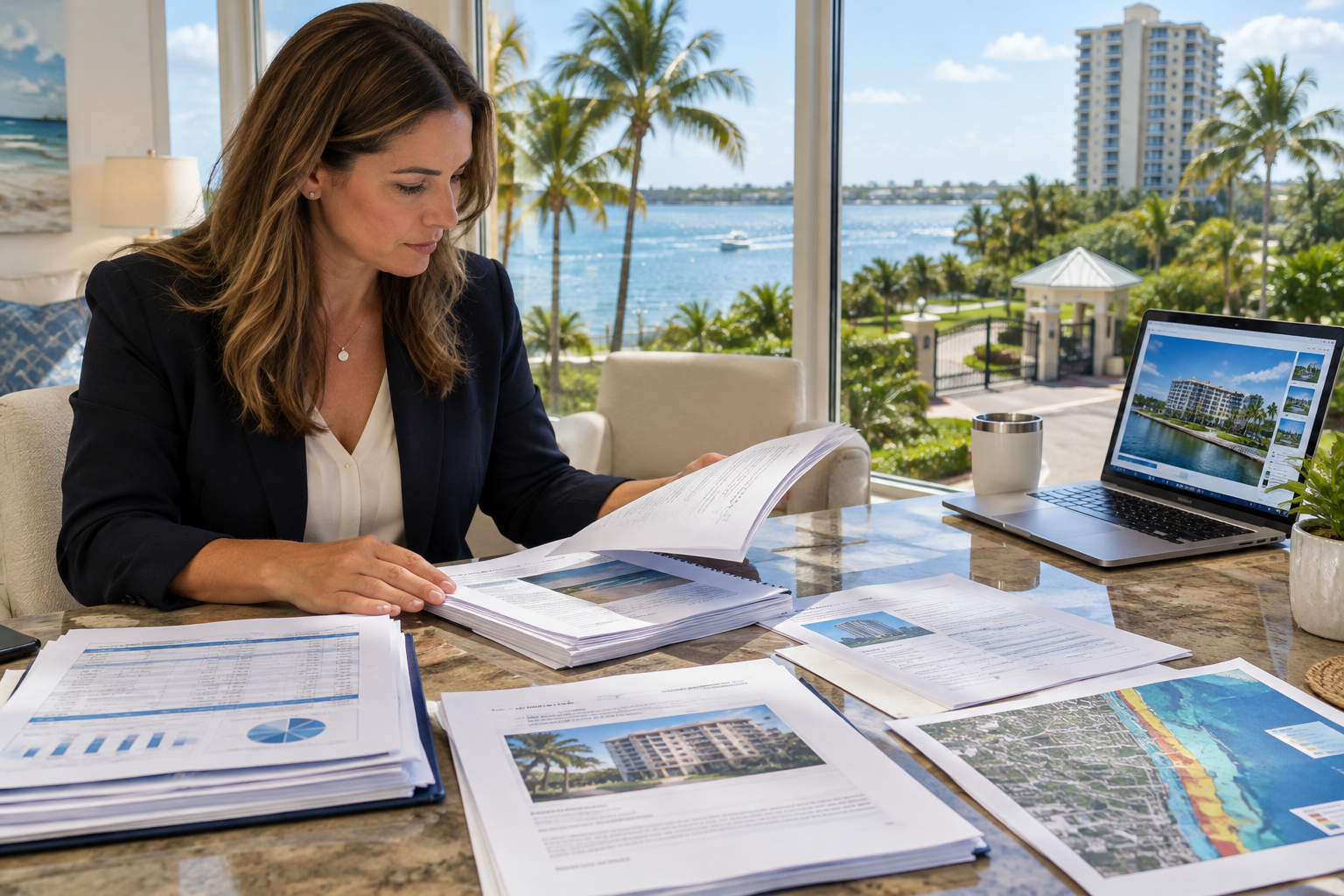

A Vero Beach relocation can change your tax bill, utility setup, and school plan faster than most buyers expect, especially when the home sits on the barrier island in 32963 versus the mainland near county service corridors. The first 30 days after closing matter because Florida domicile steps, homestead filing timing, FPL activation, water and sewer service, and even flood-zone review all intersect with Indian River County rules that reward buyers who organize early and penalize those who assume everything transfers automatically.
How Florida Domicile and Homestead Timing Affect Your First Year of Ownership
Buyers who intend to make Vero Beach their permanent residence should treat domicile as a paper trail, not a feeling. To qualify for the homestead exemption, you generally need to establish Florida as your permanent legal residence and complete the county filing process for the tax year you want the benefit to apply. That means aligning your driver license, voter registration, vehicle registration, and where applicable, your physical occupancy date with your ownership records so the county can see a consistent story. The distinction matters because Florida Domicile is not just a relocation phrase; it is the foundation for homestead eligibility, and Homestead Exemption can also trigger the Save Our Homes cap that limits annual assessed-value increases for qualified primary residences. If you are buying on the barrier island in 32963, flood insurance, wind exposure, and seasonal occupancy patterns do not prevent homestead qualification, but they do make it even more important to document that the property is your true permanent home rather than a seasonal coastal address. The practical takeaway is simple: close, move in, and file promptly rather than waiting until the tax year is nearly over.
Utility Setup, Flood Zones, and School Logistics Across the Mainland and Barrier Island
Vero Beach utility planning is not a one-call process because service responsibility can shift based on neighborhood, subdivision, and whether the property is on city water, county water, septic, or a mix of utility providers. FPL handles electric service in much of Indian River County, but water and wastewater may come from county districts, municipal systems, or a private utility arrangement, and a buyer should confirm service transfers before the final walkthrough. On the mainland, utility access is often more straightforward, while barrier island properties can involve tighter service corridors, older infrastructure, and more careful coordination for irrigation, trash pickup, and emergency backup planning. Zoning and flood mapping deserve equal attention: an AE flood zone usually signals a higher insurance and elevation-review burden than an X zone, and the difference can influence both monthly carrying costs and renovation decisions. School planning also belongs in the same due-diligence conversation because public-school boundaries, transportation routes, and private academy transition logistics can vary significantly between mainland neighborhoods and 32963 addresses. A buyer weighing Vero Beach Relocation choices should compare commute time, utility reliability, flood exposure, and school assignment before deciding whether the barrier island lifestyle justifies the added complexity.
4-Point Relocation and Due-Diligence Checklist
- Verify your domicile documents. Update your Florida driver license, voter registration, vehicle registration, and mailing address so your homestead filing matches your ownership intent.
- Confirm the utility map. Ask who provides electric, water, sewer, and trash service, and whether the property uses septic, a lift station, or county connection.
- Review flood and insurance data. Compare AE versus X zones, request an elevation certificate if available, and price flood coverage before you finalize monthly ownership costs.
- Study zoning, HOA, and school implications. Check municipal rules, HOA documents, condo milestone status where applicable, and the public or private school path you plan to use.
Final Considerations for Vero Beach Buyers
The smartest Vero Beach buyers treat relocation as a sequence of decisions, not a single closing day event. Establishing Florida domicile, filing for homestead benefits on time, understanding which utility provider serves the property, and confirming whether the home sits in AE or X flood territory can materially affect both cost and comfort. Mainland homes often simplify utility access and school logistics, while barrier island properties in 32963 may offer a different coastal experience that requires closer attention to insurance, infrastructure, and association rules. If you plan carefully in the first month, you reduce surprises for the first year and position yourself to own with confidence in Indian River County.
FAQ
When should a new Vero Beach owner file for homestead exemption?
File as soon as you have established Florida as your permanent residence and completed the county requirements for the tax year you want the exemption to apply. Waiting too long can delay the benefit until a later tax cycle.
Do mainland and barrier island homes use the same utility setup in Vero Beach?
Not always. Electric service is often through FPL, but water, sewer, irrigation, and trash arrangements can differ by neighborhood, municipality, and subdivision, so every property should be verified individually before closing.
For tailored guidance and experienced local representation, connect with MacEvoy Real Estate Co. to protect your coastal investment.