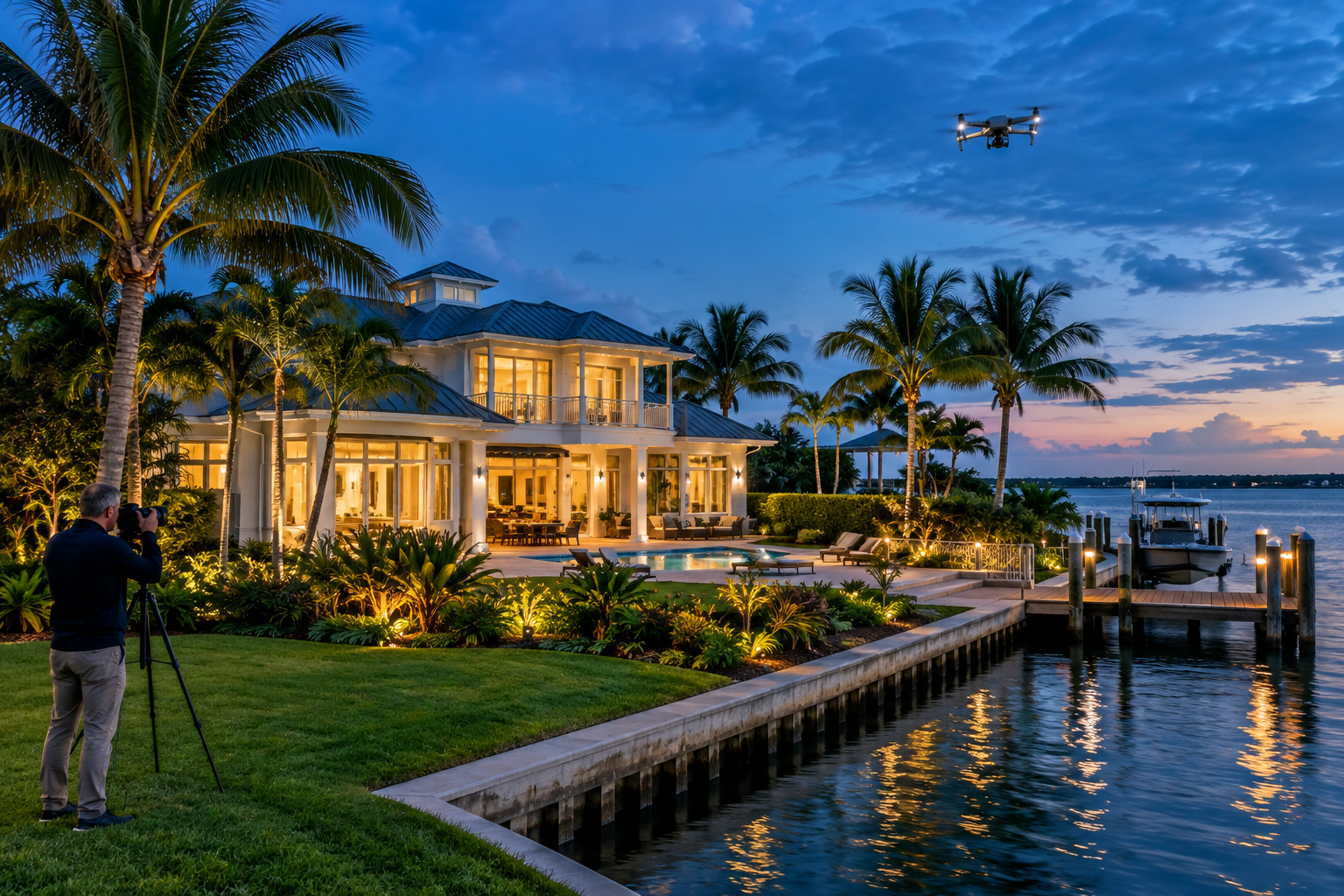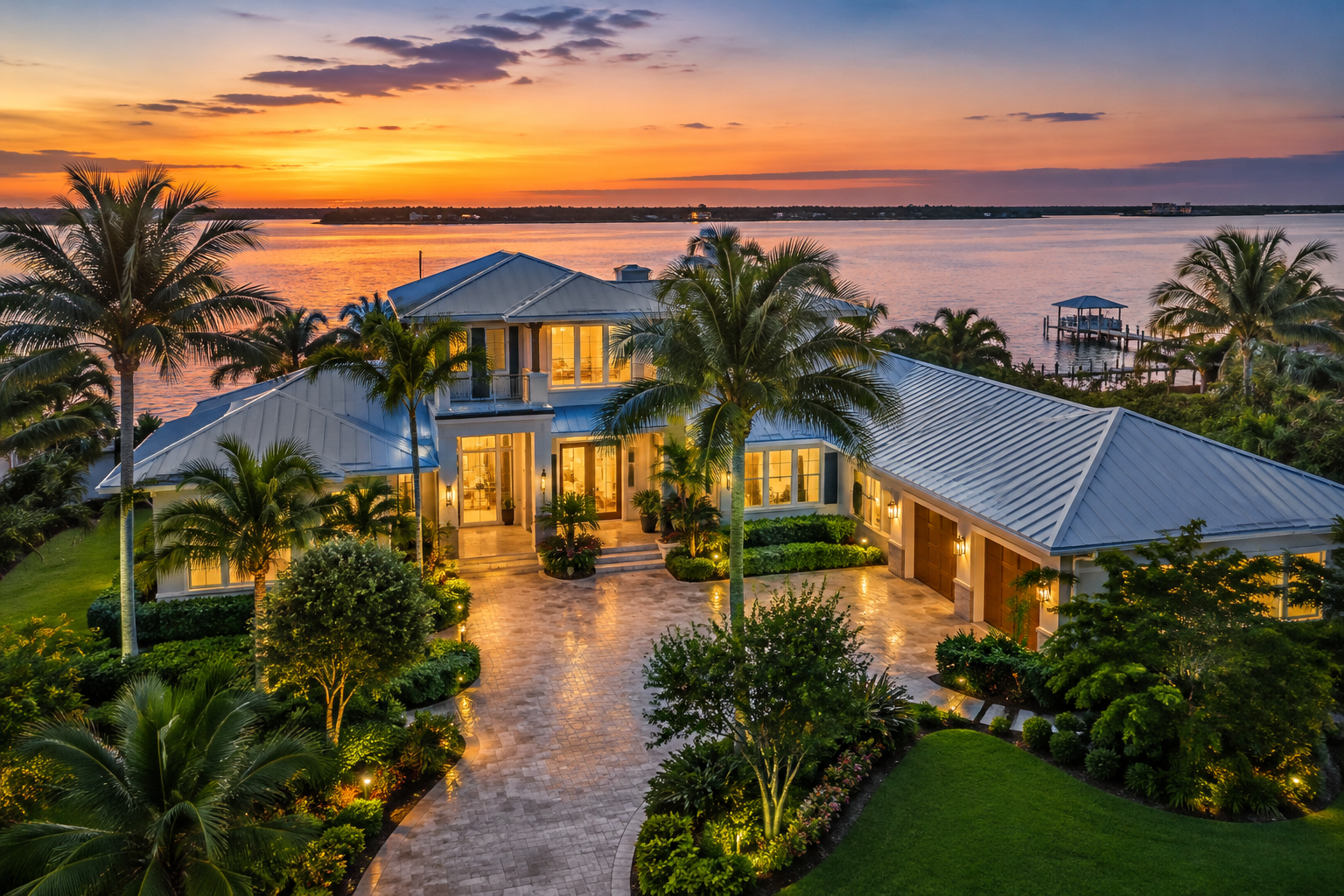
Vero Beach waterfront buyers are not paying only for a view line; they are paying for how a property handles king tides, nor’easters, salt fog, and stormwater on the Indian River Lagoon, the 32963 barrier island, and mainland addresses west of the river. On a riverfront parcel, dock rights and elevation can matter more than extra square footage, while oceanfront homes rise or fall on wind-rated envelopes and corrosion control that keep maintenance from overtaking the lifestyle.
Dock Footprint, Riparian Rights, and the Permit Path on the Indian River Lagoon
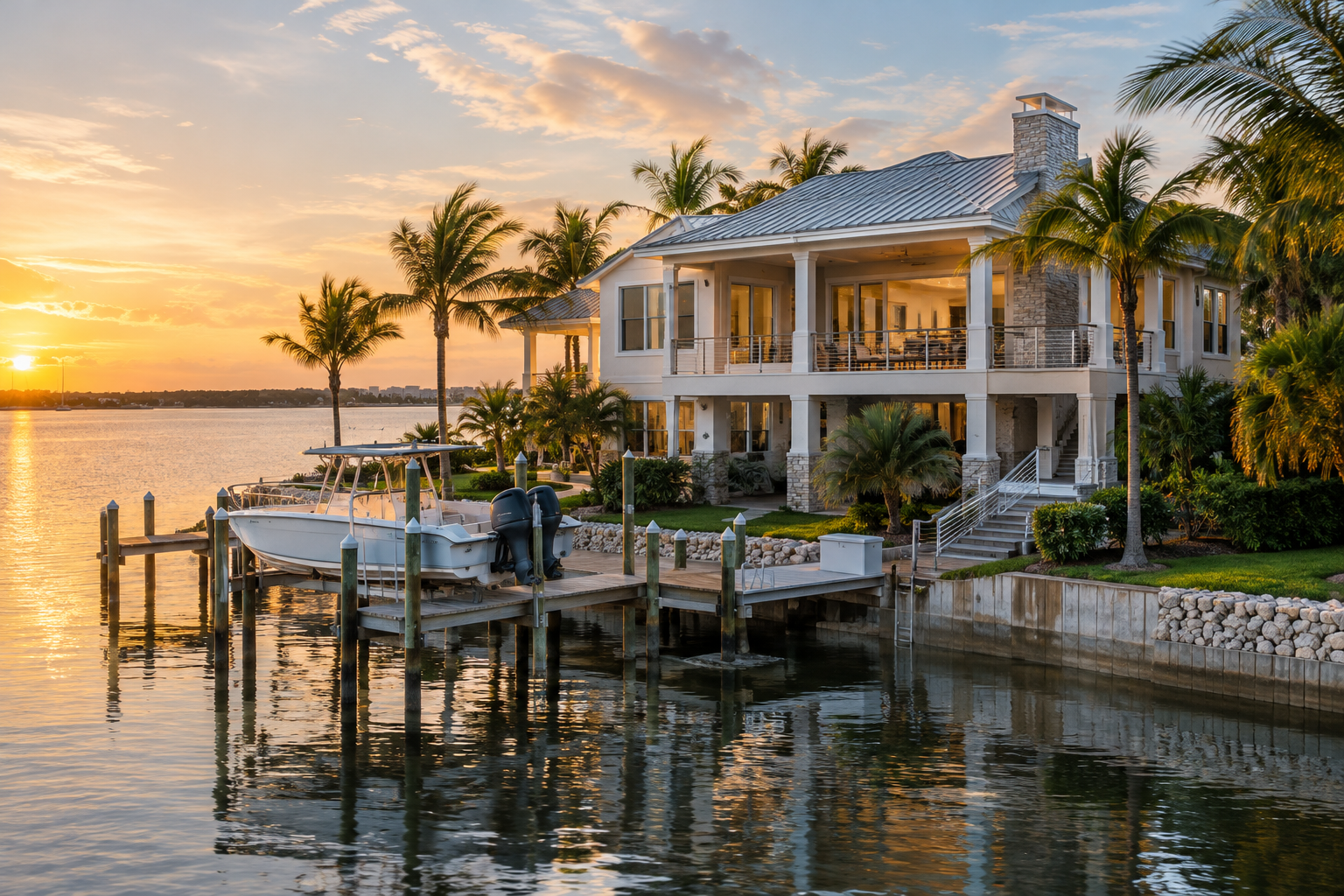
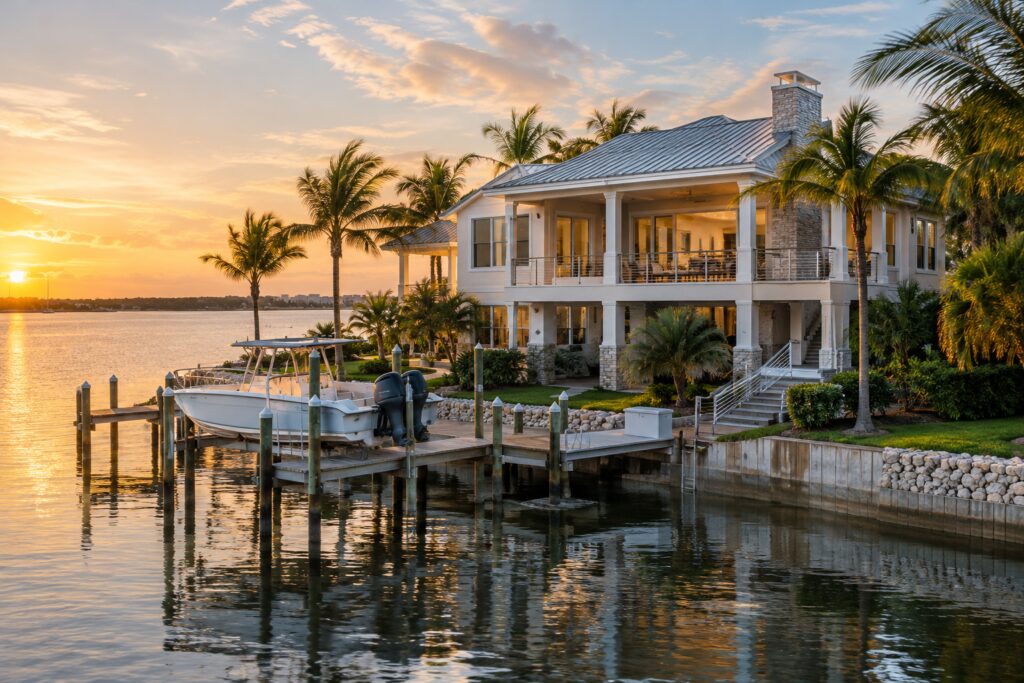
A buyer comparing Luxury Real Estate options with Riverfront Estates should look past the finishes and ask whether the dock, seawall, and access corridor were designed for the site’s actual riparian conditions. In Indian River County, a waterfront improvement usually has to work around navigation depth, seagrass or manatee considerations, lighting rules, and adjacent property lines; the placement of lifts, boat slips, and finger piers affects both permitting and daily usability.
The fastest way to lose time in a waterfront closing is to assume an existing dock is automatically legal. Buyers should verify permit history, as-built surveys, repair records after storms, and whether prior additions were properly closed out with the county and state agencies. If the property fronts a protected reach of the lagoon, review can extend beyond a simple building permit and into environmental review, which is why local representation matters before an offer is final.
What Salt-Air Exposure Demands from the Structure and Exterior Envelope
The barrier island and mainland are not the same construction environment. In flood zone AE, the finished floor, mechanical equipment, and lower enclosure details need to align with the base flood elevation and local engineering requirements; in Zone X, buyers still need wind protection, drainage planning, and materials that can survive constant salt exposure. A coastal home that looks refined from the street can still be underbuilt if the roof edge, fasteners, balcony rails, and window systems were not specified for marine conditions.
Exterior finishes should be chosen for durability, not just appearance. The best-performing waterfront homes in Vero Beach typically rely on impact-rated glazing, stainless or coated hardware, marine-grade aluminum, properly detailed stucco or fiber-cement systems, and smart corrosion management around HVAC, pool equipment, and balcony attachments. If the property is a condo on the barrier island, association documents should also show reserve strength, milestone inspection status where applicable, and a clear plan for future envelope work so special assessments do not surprise the buyer after closing.
4-Point Due-Diligence Checklist for Vero Beach Waterfront Buyers
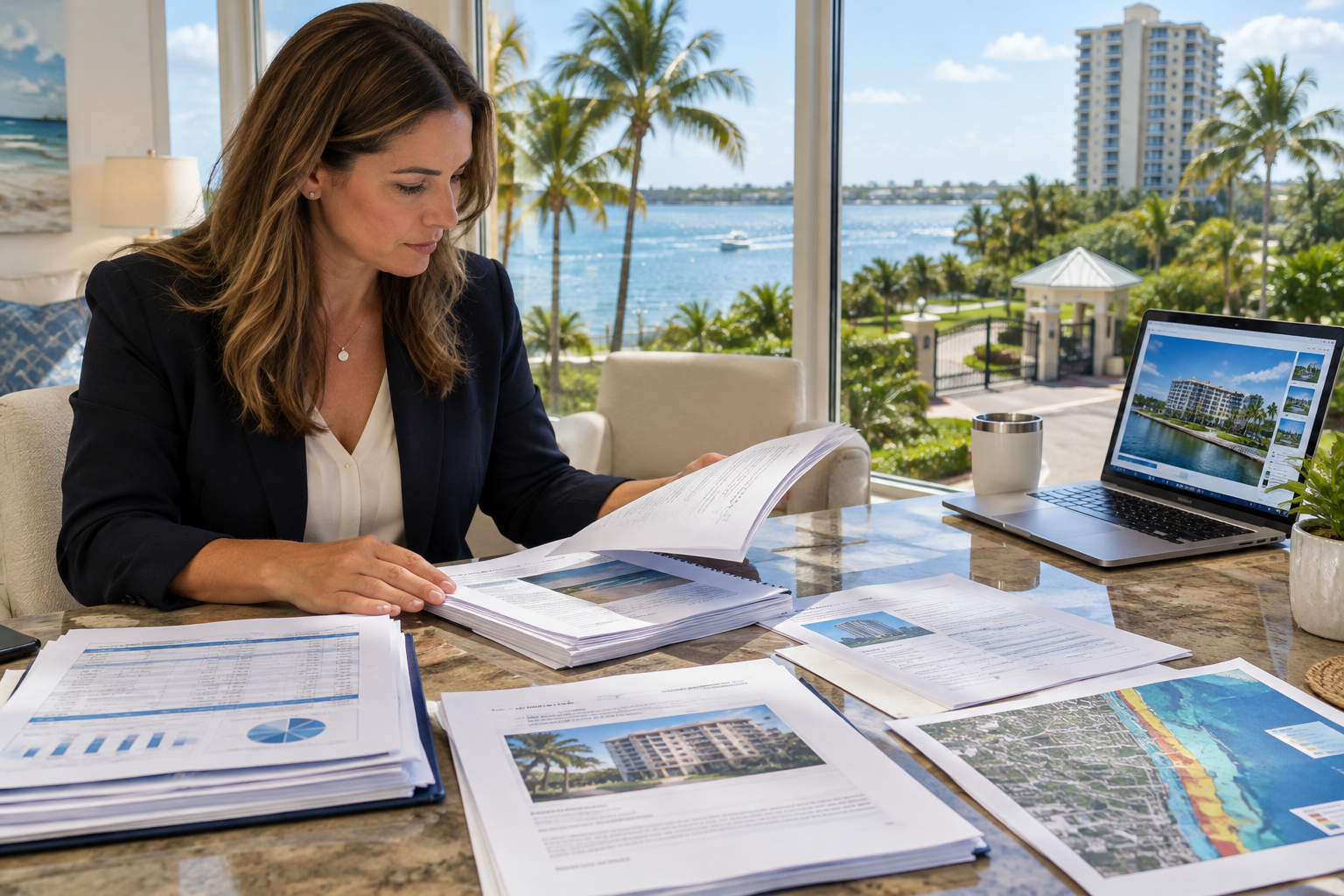
- Confirm the flood zone, elevation certificate, and first-floor height, and compare those numbers with the latest survey and lender requirements before you rely on listing data alone.
- Review dock, seawall, and shoreline permits, including repair records after storms, so you know whether the waterfront improvements are legal, maintainable, and insurable.
- Audit the exterior envelope for wind and corrosion resistance, including windows, roof edges, balcony attachments, fasteners, HVAC placement, and any marine-exposed finishes.
- For HOA and condo properties, request budgets, reserve studies, milestone inspection records if applicable, insurance renewals, and special assessment history before you commit to closing.
Final Considerations for Vero Beach Buyers
The best waterfront purchase in Vero Beach is not the one with the flashiest view; it is the one whose permits, flood design, exterior systems, and association records can withstand scrutiny. Buyers who understand the difference between AE and X, between an approved dock and an attractive one, and between salt-safe materials and standard finishes are better positioned to protect both lifestyle and resale in a coastal market where maintenance, insurance, and compliance can shape long-term value.
FAQ
How does Flood Zone AE affect a luxury waterfront purchase in Vero Beach?
Flood Zone AE usually means stricter elevation and design requirements, which can affect insurance pricing, financing review, and the usable layout of the first level. It does not mean the property is unbuyable, but it does mean the buyer should verify the elevation certificate, mechanical placement, and any required compliance work before moving forward.
What should buyers ask about a dock on a riverfront estate?
Ask for the permit file, as-built survey, seawall age, lift specifications, depth at low tide, and any post-storm repair documentation. On the Indian River Lagoon, the dock often affects the property’s day-to-day value as much as the home itself. For tailored guidance and experienced local representation, connect with MacEvoy Real Estate Co. to protect your coastal investment.