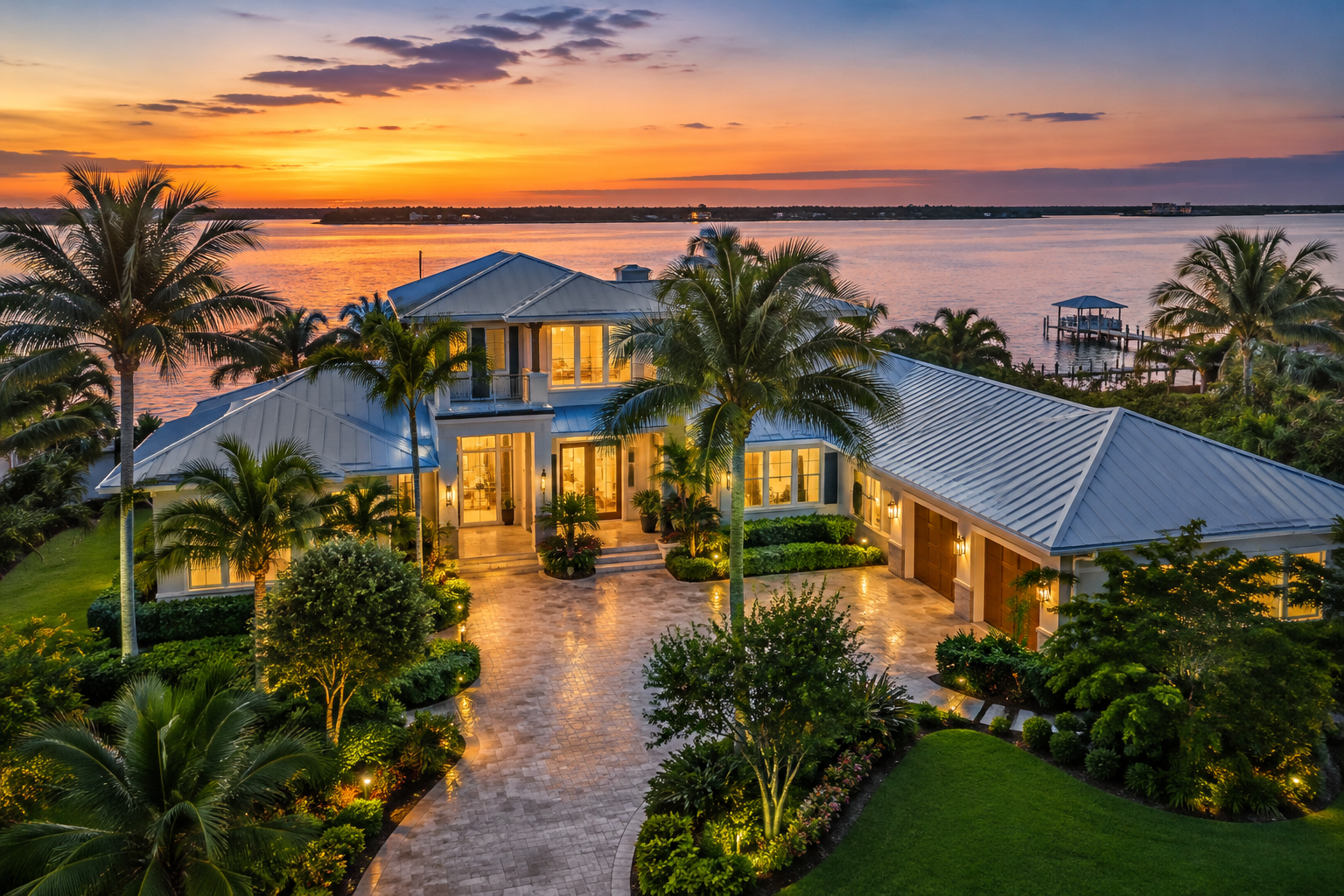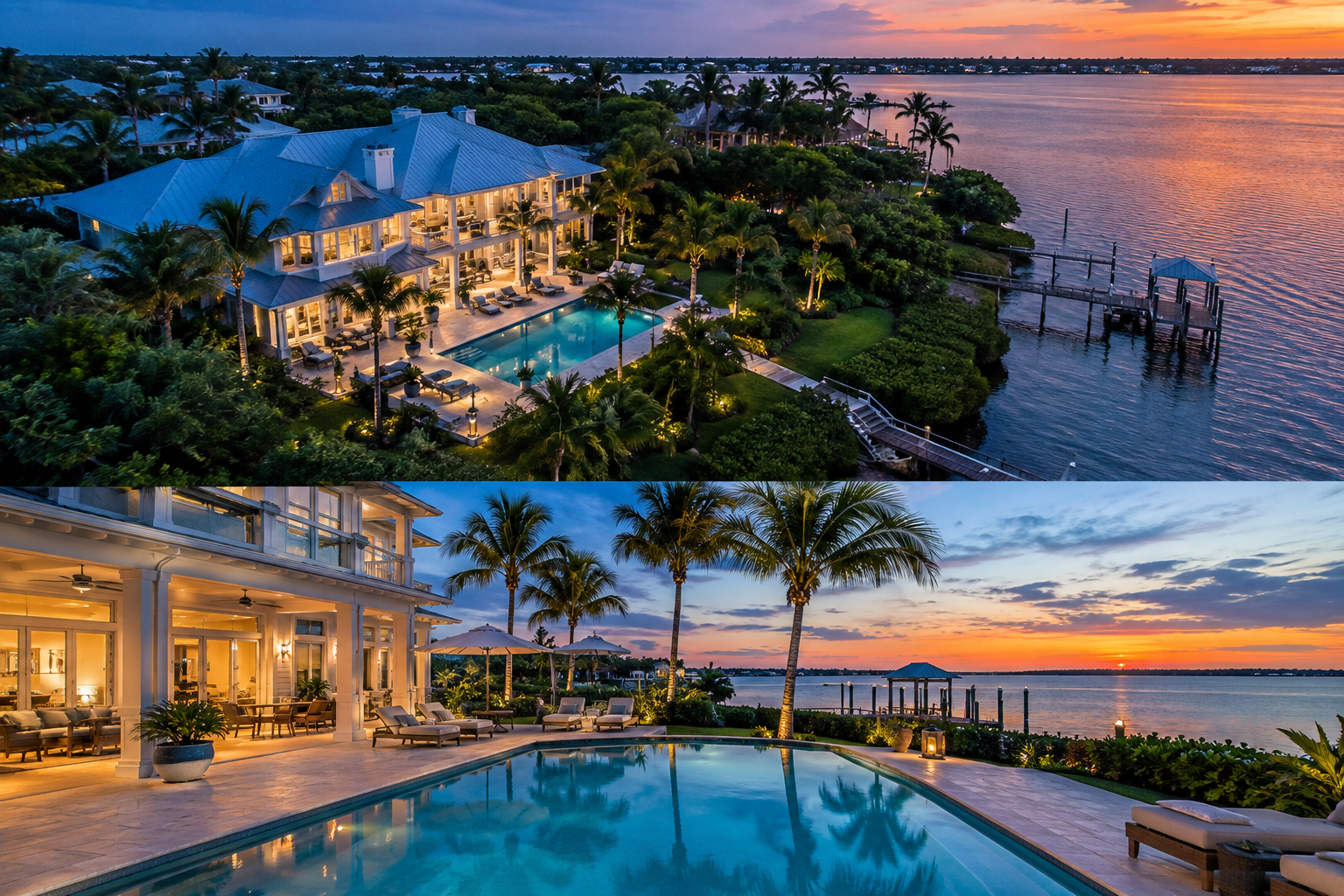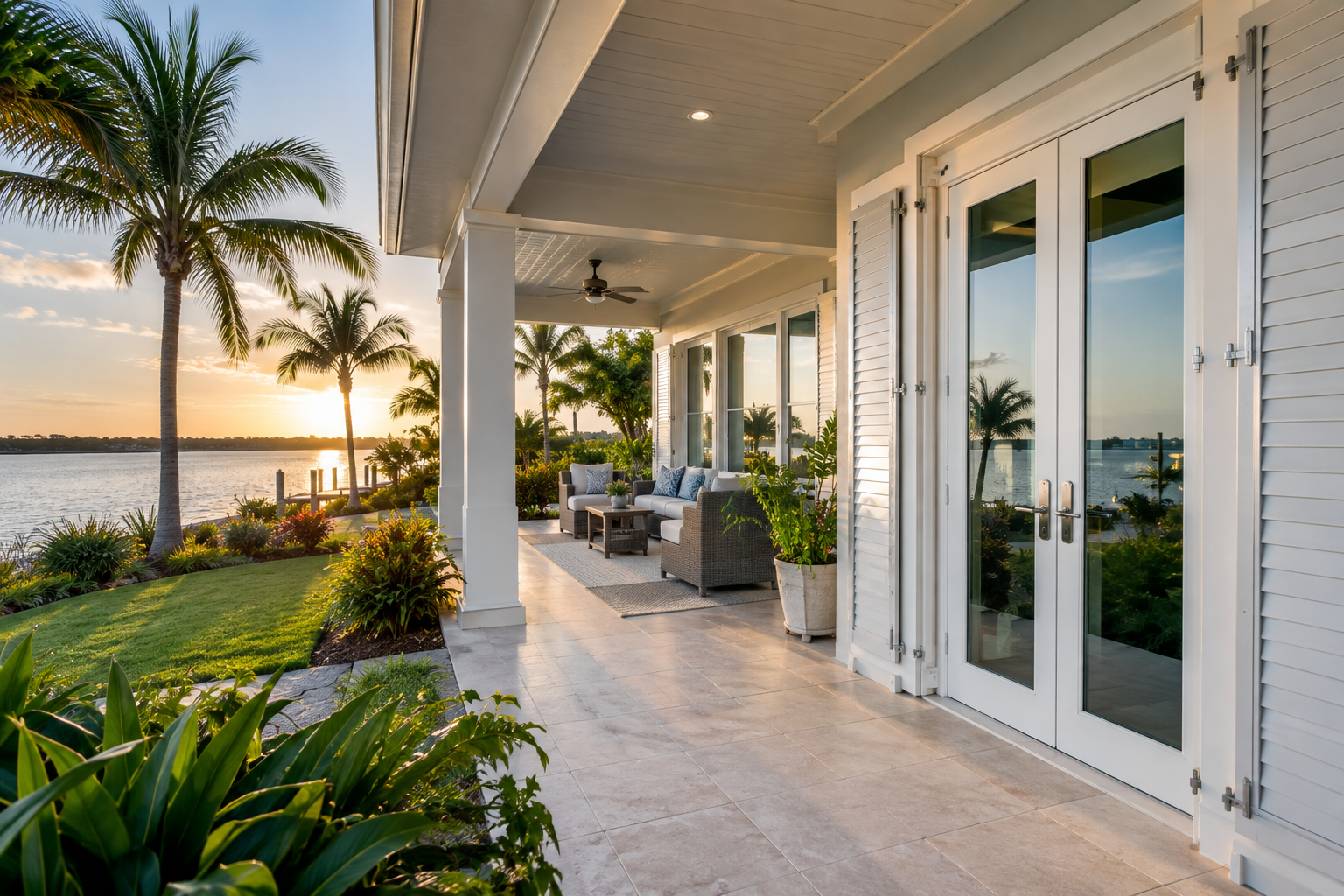
On Vero Beach‘s riverfront and barrier island, the most valuable luxury upgrades are the ones buyers never notice at first glance: raised mechanical systems, marine-grade fasteners, sealed exterior transitions, and dock structures engineered for Indian River Lagoon tides rather than showroom aesthetics. In the 32963 market, that hidden layer of resilience often determines whether a home feels effortless in July humidity and stays insurable after a strong tropical season.
Elevating the mechanical core without lifting the view line
For buyers comparing Luxury Real Estate across the barrier island and the mainland, the real premium is often the placement of air handlers, water heaters, generators, pool equipment, and electrical panels. On the Atlantic side, elevated living floors and protected service courts reduce exposure to wind-driven rain; on riverfront lots, relocating equipment above expected water intrusion can be the difference between a minor maintenance event and a six-figure remediation claim.
In Flood Zone AE, finished-floor elevation, flood openings, and the treatment of lower enclosures matter because insurers and lenders will review the home as a system, not as a set of isolated upgrades. In Flood Zone X, the conversation changes but does not disappear: storm surge can still reach a property through drainage paths, overland flow, or an older seawall that no longer performs as designed. The smartest coastal plans preserve the sightlines buyers want while putting the non-negotiable infrastructure where water cannot reach it easily.
- Use 316 stainless hardware, marine-grade aluminum, or properly coated fasteners wherever salt spray reaches the building envelope.
- Favor fiber-cement siding, impact-rated glazing, sealed stucco transitions, and high-performance roof-edge details over decorative materials that fail quickly in coastal air.
- Keep generators, compressors, and panels elevated and accessible, so service can happen without opening a flood-prone lower level.
- Plan for maintenance access as carefully as for aesthetics; a beautiful coastal home still needs practical circulation for repairs after a storm.
Dock permits, seawalls, and the construction sequence that protects waterfront access
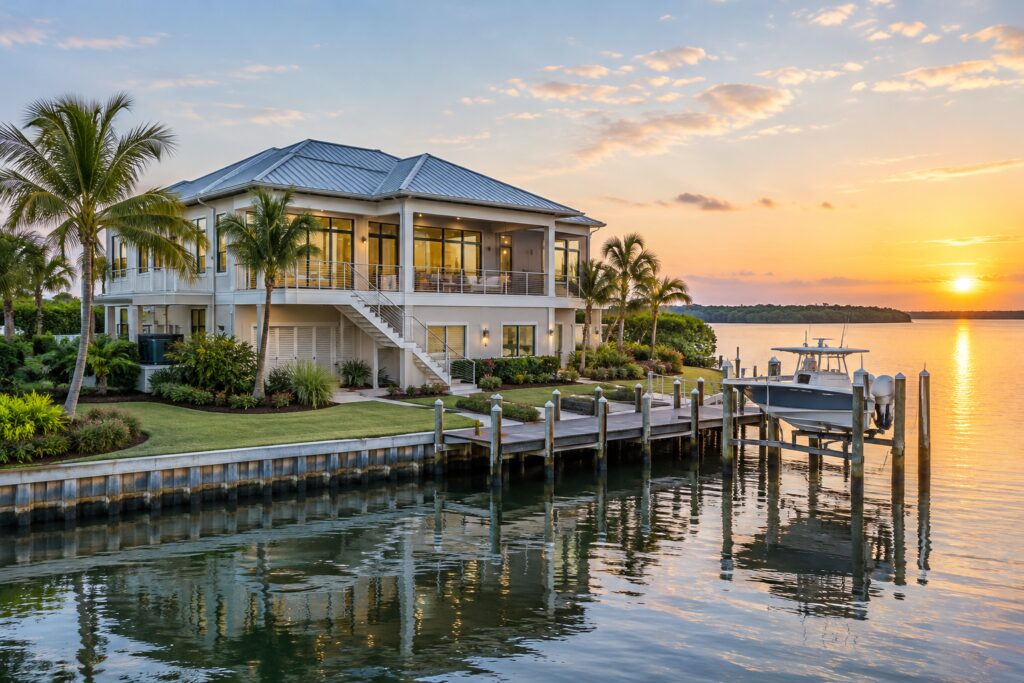
On Riverfront Properties, the dock, seawall, and boat-lift design should be evaluated before the interior finishes ever enter the conversation. Indian River County buyers should confirm whether the dock footprint, lift capacity, lighting, piling count, and shoreline armoring were permitted correctly and whether any work sits too close to mangroves, sea grasses, or public-water easements. A beautifully renovated house loses value quickly if a buyer later learns the dock cannot be replaced in the same form.
Marine construction on the Indian River Lagoon is also a logistics exercise. Contractors may need tidal windows, specialty barges, or sequencing that avoids damaging the seawall cap or riprap field. For oceanfront properties on the barrier island, the coastal construction control line and local storm-hardening standards introduce another layer of timing, especially when windows, doors, roof systems, and exterior attachments must align with wind-load requirements. Buyers should ask how the seller documented prior improvements and whether the existing contractor warranties transfer cleanly.
Luxury buyers often focus on the finished terrace, but the practical questions are more important:
- Was the seawall inspected for settlement, cap deterioration, and tie-back failure?
- Are the dock pilings, lift motors, and electrical service rated for marine exposure?
- Do the exterior finishes use salt-tolerant materials such as fiber-cement, marine-grade aluminum, impact-rated glazing, and coated fasteners?
- If the home is condominium-based, have milestone inspection and reserve-study obligations been satisfied, and are any special assessments pending?
Those details shape both market value and post-closing ownership cost. A property can show beautifully and still carry structural or association risk that changes the math the moment the first storm band moves across the county.
Four due-diligence checks before you write an offer
- Order the flood documents early. Review the FEMA map designation, elevation certificate, and any recorded history of water intrusion. Confirm whether the property sits in AE or X and how that affects insurance pricing.
- Inspect the waterfront hardscape. Evaluate seawall height, dock permits, lift condition, shoreline stabilization, and drainage patterns around the rear yard and pool deck.
- Study the structure and the association. For condos or HOA-regulated homes, review milestone inspections, reserve studies, structural reports, rental limits, and pending assessments.
- Price for corrosion and replacement cycles. In coastal Vero Beach, HVAC systems, window hardware, exterior coatings, and dock components wear faster than inland buyers expect; build that lifecycle cost into your offer strategy.
Final Considerations for Vero Beach Buyers
The right Vero Beach waterfront purchase is rarely the home with the biggest footprint; it is the home with the cleanest elevation records, the best marine-side documentation, and the lowest probability of surprise repair or assessment. Buyers who verify flood data, seawall integrity, dock permissions, mechanical placement, and HOA or condo records before making an offer usually negotiate from a stronger position and avoid expensive post-closing corrections.
FAQ
How does Flood Zone AE differ from Flood Zone X for a Vero Beach luxury home?
AE typically signals a measurable flood risk that can influence finished-floor elevation, lower-level design, insurance, and lender review. X is generally lower risk, but on the lagoon or near the ocean, buyers should still inspect drainage, seawalls, and the property’s actual storm history rather than relying on the map alone.
What should buyers verify before closing on a waterfront or condo-based estate?
Confirm the elevation certificate, seawall condition, dock permits, mechanical placement, roof age, and any HOA or condo milestone inspection and reserve details. If anything is unclear, review it with a local advisor before you remove contingencies. For tailored guidance and experienced local representation, connect with MacEvoy Real Estate Co. to protect your coastal investment.