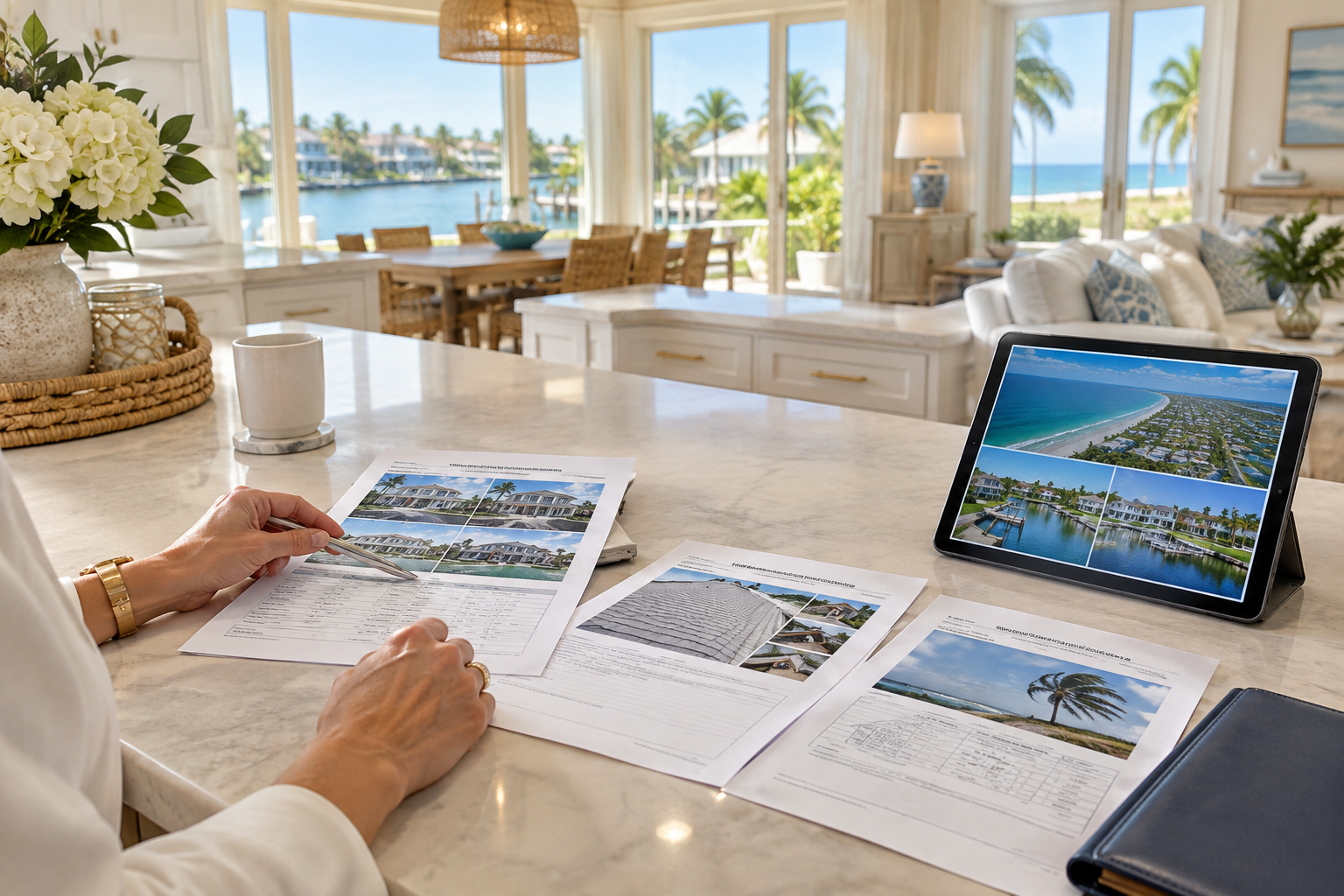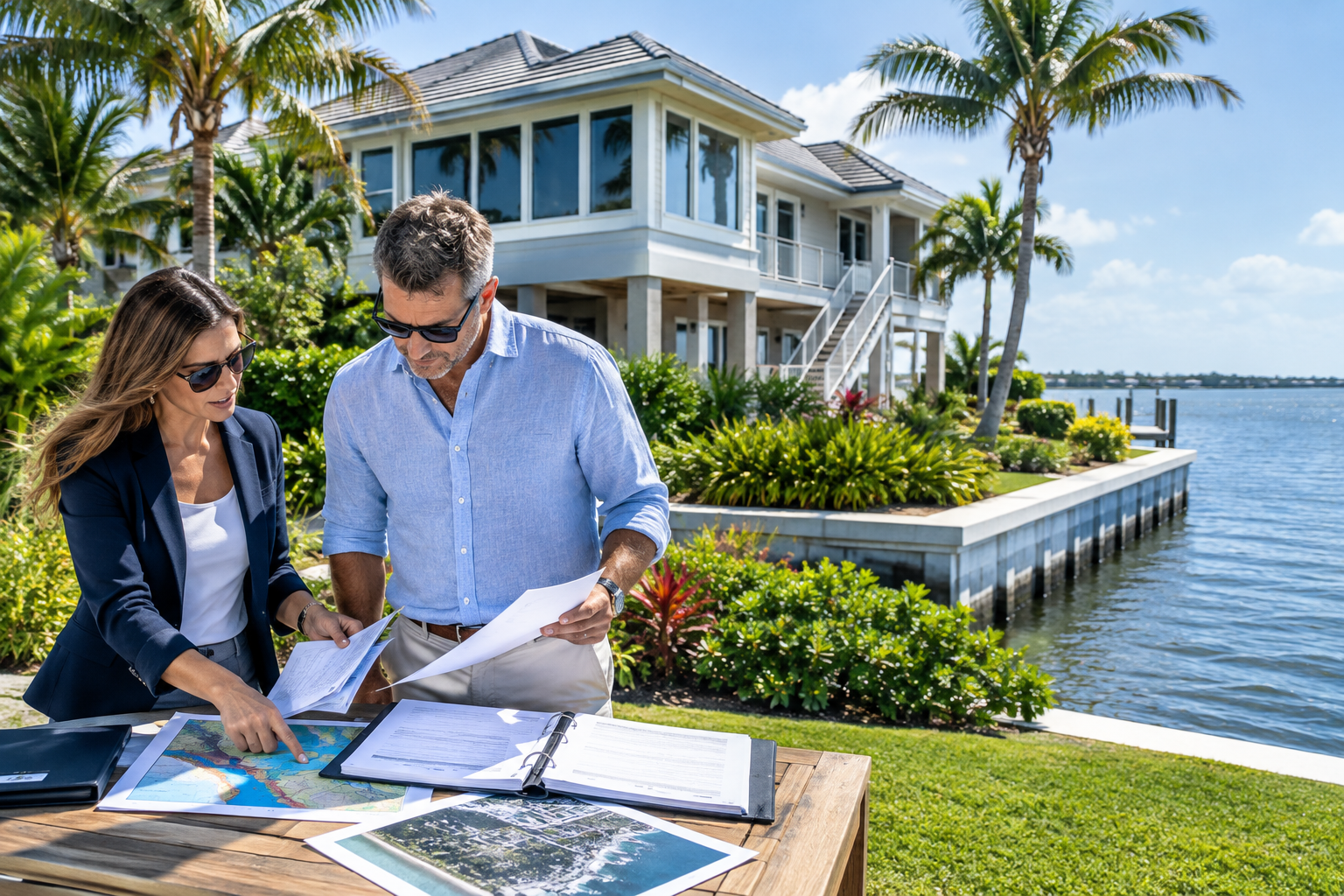

In Indian River County, the gap between a clean conforming mortgage and a more expensive jumbo execution can be created by a single pricing step, a higher insurance escrow, or a property that shifts from mainland assumptions into barrier island realities. Buyers in the 32963 corridor should not judge affordability by the list price alone; on Vero Beach and Orchid Island homes, the loan structure, flood map, HOA exposure, and reserve requirements often matter as much as the sales price itself.
How the Conforming Ceiling Shapes Mainland Versus Island Buying Power
Indian River County does not get a special local conforming carve-out, so buyers live under the annual FHFA ceiling that governs conventional conforming eligibility nationwide. When a loan amount stays inside that limit, the borrower typically gets better pricing, broader access to Fannie Mae and Freddie Mac underwriting, and more predictable reserve requirements. Once the balance crosses the line, even by a modest amount, the transaction can move into a different pricing bucket where the rate, fees, and reserve expectations change fast.
That matters in Vero Beach because coastal ownership costs are not limited to principal and interest. On a mainland property in a lower-risk X zone, the monthly payment may stay lean enough for a borrower to qualify comfortably. On the barrier island, an AE flood zone can add meaningful escrow pressure, and that extra housing expense can push the total debt-to-income ratio higher even when the purchase price looks manageable. In practice, the deciding factor is often not whether a buyer can afford the house, but whether the full monthly housing stack still clears the lender’s automated underwriting rules with enough breathing room.
Buyers who are close to the conforming limit should ask their lender to model the deal two ways: one with the full insurance and tax escrow load and one with a plain principal-and-interest comparison. The first number is the one that counts. A home that appears to fit a conventional budget can slip out of range once flood premiums, wind coverage, HOA dues, and any condo-related assessments are folded in. That is why mainland purchases can sometimes preserve conforming pricing while a comparable island property forces the borrower into a higher-cost structure.
Jumbo Spreads, Portfolio Loans, and When a Buydown Actually Pays
For buyers comparing jumbo loans with conventional underwriting, the spread is rarely just about the note rate. Jumbo pricing often reflects tighter liquidity standards, larger reserve demands, stronger credit expectations, and a sharper review of the borrower’s debt profile. Private banking portfolio loans can soften some of those rules because the lender is keeping the loan in-house rather than selling it into the secondary market, which can help self-employed buyers, retirees with asset-based income, and purchasers with complex compensation structures. The tradeoff is that portfolio lending frequently comes with relationship requirements, larger down payments, or pricing that looks less friendly than conventional financing at first glance.
This is where a temporary or permanent interest rate buydowns strategy deserves serious attention. A buydown can make sense for a local buyer if the seller credit or lender credit is strong enough to reduce early cash flow without draining the funds needed for flood coverage, closing costs, or reserves. It can also be useful when a buyer expects a refinance window in the next few years and wants to manage payment shock now. But a buydown is not a cure-all. If the property is in a condo building with a pending milestone review, a special assessment, or an association reserve issue, the lower note rate may not offset the higher monthly carrying cost created by the building itself.
The smartest financing comparison in Vero Beach looks beyond the headline rate and asks three local questions: How much cash will remain after closing? How much will flood, wind, and homeowners coverage cost in the specific zone? And how will the condo or HOA structure affect underwriting, reserves, and future resale? A borrower who answers those questions honestly can often choose between conventional, jumbo, and portfolio lending with far more confidence than someone focused only on rate quotes.
4-Point Mortgage and Financing Due-Diligence Checklist for Local Buyers
- Confirm the loan amount, not just the sales price. Ask your lender whether the file stays conforming after adding estimated taxes, insurance, and prepaid items. A property that looks safe on paper can cross into jumbo territory once all costs are included.
- Price flood and wind coverage before you write the offer. AE zone homes often carry heavier insurance escrows than X zone properties, and that difference can change the debt-to-income ratio enough to affect approval.
- Review condo and HOA documents early. In Indian River County, milestone reports, reserve studies, litigation status, and special assessments can influence both lender approval and monthly affordability.
- Compare the full financing package, not only the rate. Look at points, lender credits, buydown costs, reserve requirements, mortgage insurance, and the amount of cash needed after closing. The cheapest note rate is not always the best coastal strategy.
Final Considerations for Vero Beach Buyers
Vero Beach buyers who understand the financing gap between conforming, jumbo, and portfolio lending can shop with far more precision in both mainland and barrier island markets. The right loan structure depends on more than income and credit; it depends on flood zone, insurance cost, association health, and how much liquidity you want to preserve after closing. A clean conforming approval on a mainland home may deliver the best monthly stability, while a 32963 coastal purchase may justify a jumbo or portfolio structure if the property quality, location, and long-term ownership plan support it. Buyers who evaluate buydowns, reserves, and underwriting rules together are far better positioned to protect both their payment and their investment.
FAQ
Does Indian River County have its own conforming loan limit?
No. Indian River County follows the annual FHFA conforming ceiling used nationwide. If the loan amount exceeds that limit, the financing usually moves into jumbo territory and the pricing, reserve requirements, and underwriting standards can change immediately.
Is a rate buydown worthwhile for a coastal home purchase in Vero Beach?
It can be, especially when seller credits or lender credits reduce the upfront cost and the buyer needs more room for flood insurance, wind coverage, or association dues. The key is to compare the buydown against the full monthly housing expense, not just the note rate.