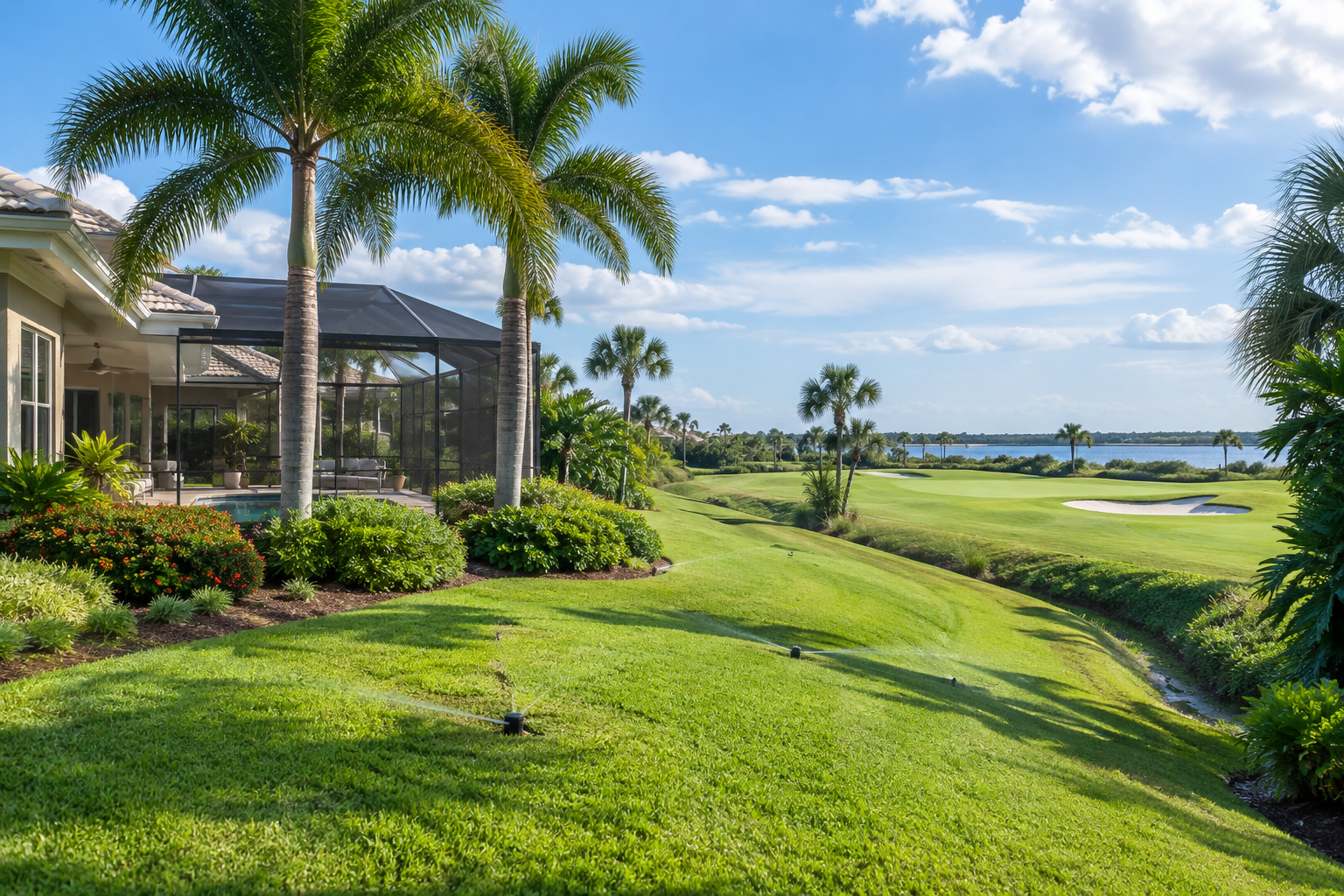

Jumbo buyers in Vero Beach can clear underwriting and still lose days at the closing table when the lender re-tests insurance costs, reserve requirements, flood-zone exposure, and HOA documents on the final file review. In 32963, a barrier island condo, a mainland single-family home in an X zone, and an AE-zone property near the Indian River Lagoon can all produce different conditions even when the purchase price is similar.
How Jumbo Underwriters Read Coastal Risk in Indian River County
Jumbo underwriting on the barrier island is less about one approval number and more about whether the file still looks stable after insurance, reserves, and property-specific conditions are priced in. Lenders often want stronger post-closing liquidity for coastal homes because wind coverage, flood premiums, and condo dues can shift the true monthly payment far above the principal and interest estimate. That is especially true for homes in AE flood zones, older roofs, waterfront elevations, or properties that rely on limited carrier options after a hurricane season. A buyer with a strong salary but thin reserves can be approved on income and still be asked for more documentation if the lender believes the property itself creates higher payment volatility.
Underwriters also pay attention to the structure, not just the borrower. In Indian River County, a 15-year-old roof, missing shutter documentation, outdated elevation certificate, or a condo association with reserve issues can trigger a second review. On mainland properties, the appraisal may be clean but the insurance quote can still cause the monthly housing ratio to move. On the barrier island, the same lender may review a file more aggressively because salt air, evacuation access, and replacement-cost coverage all matter to the long-term risk profile. That is why buyers should treat jumbo approval as a living file, not a one-time stamp of approval.
Closing Costs, Holdbacks, and Title Clearance: What Actually Lands on the Settlement Statement
Florida closing costs on a coastal purchase are not just a matter of title fees and lender charges. Buyers financing in Florida should expect documentary stamp taxes on the deed and, when a mortgage is recorded, intangible tax on the new note, along with recording fees, title insurance, prorations, and lender-related charges. On many Indian River County transactions, HOA or condo estoppel fees arrive late enough to surprise buyers who only budgeted for the standard line items. If the association has pending special assessments, litigation, or delinquent accounts tied to the unit, the settlement statement can change quickly.
Escrow holdbacks become important when the lender or insurer wants proof that a specific condition will be resolved after closing. That can include wind mitigation work, a pending roof certification, missing permits, or replacement of a damaged opening protection system. A holdback is not a shortcut around a weak file; it is a narrow tool used when the issue is defined, the cost is capped, and the completion date is realistic. Title clearance follows the same logic. The title company must confirm the absence of liens, unresolved permits, unpaid assessments, and ownership defects before funds release. For condos, milestone inspections and reserve disclosures can affect the lender’s willingness to close as much as the borrower’s credit score. For cash buyers, proof of funds is not a formality; the source of funds, the path of the wire, and the timing of liquidation all matter before anyone sends money to closing.
Four Due-Diligence Checks Before You Commit to a Coastal Closing
- Request an insurance quote before inspections are complete so the AE versus X flood-zone impact is visible early in the monthly payment.
- Ask the lender for a reserve requirement estimate up front, especially if the property is a condo, second home, or waterfront purchase.
- Order HOA or condo estoppels early and review assessments, reserve funding, litigation, and milestone inspection notes before you waive contingencies.
- Verify wire instructions and proof-of-funds requirements with the title company directly so closing delays and fraud risk stay off the table.
Final Considerations for Vero Beach Buyers
In Vero Beach, the cleanest financing files are the ones that account for coastal realities before the underwriter asks for them. A jumbo loan on the barrier island can still be straightforward if the buyer documents reserves, understands the insurance premium, and confirms the property’s flood exposure, while a cash purchase still requires title clearance, estoppel review, and secure proof of funds. The safest path is to treat the settlement statement as a moving target until the title company, lender, and association have all signed off on the file.
FAQ
How much reserve money do jumbo lenders usually want for a coastal purchase?
It depends on the lender, the borrower profile, and the property type, but many jumbo files require several months of principal, interest, taxes, and insurance after closing. The requirement often rises for AE flood-zone homes, condos, and buyers whose income varies seasonally.
What closing item most often surprises cash buyers in Indian River County?
HOA or condo estoppel fees, special assessments, title charges, and wire verification steps are the most common surprises. Cash buyers still need to show a clean source of funds, confirm title issues are cleared, and verify instructions before closing. For tailored guidance and experienced local representation, connect with MacEvoy Real Estate Co. to protect your coastal investment.