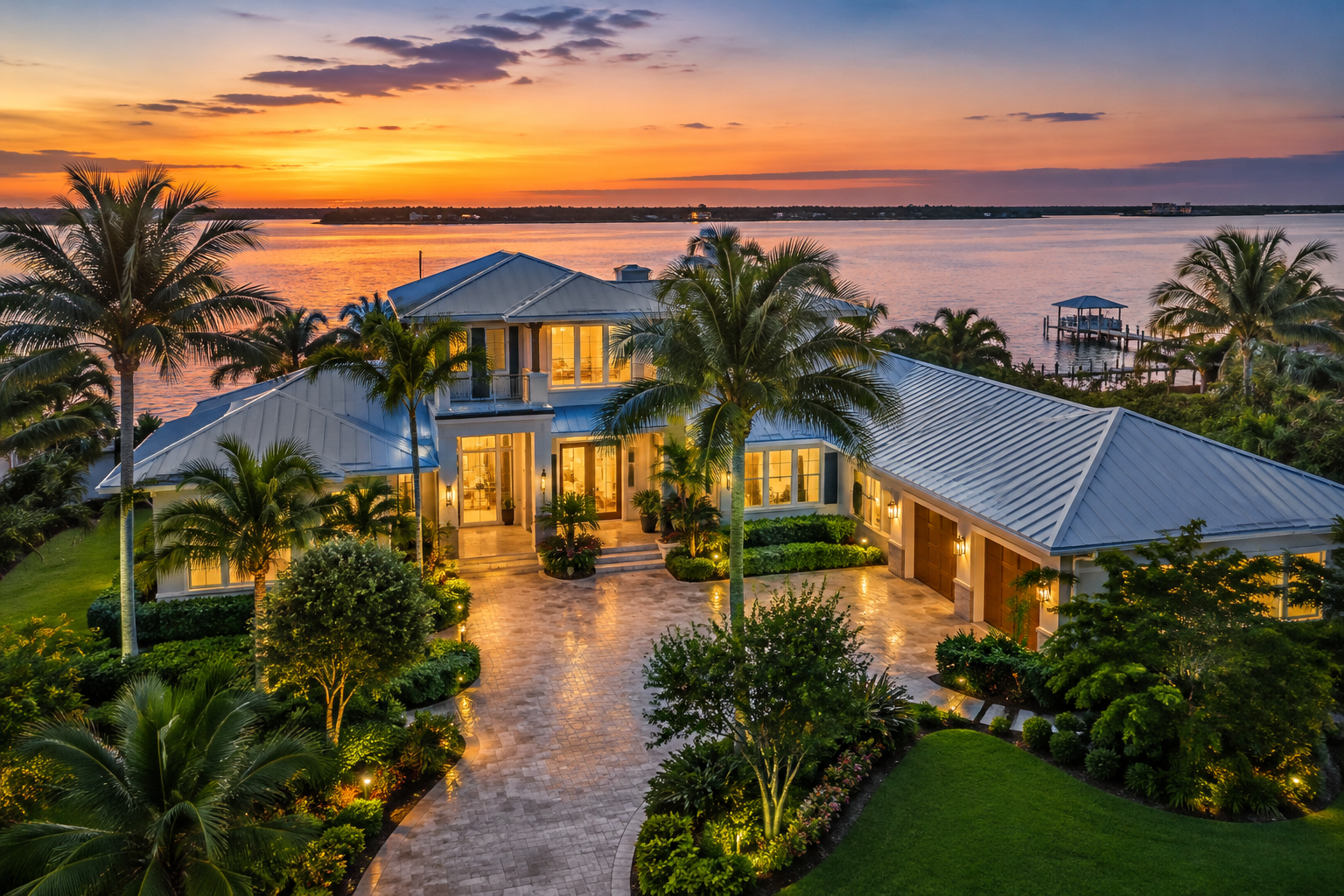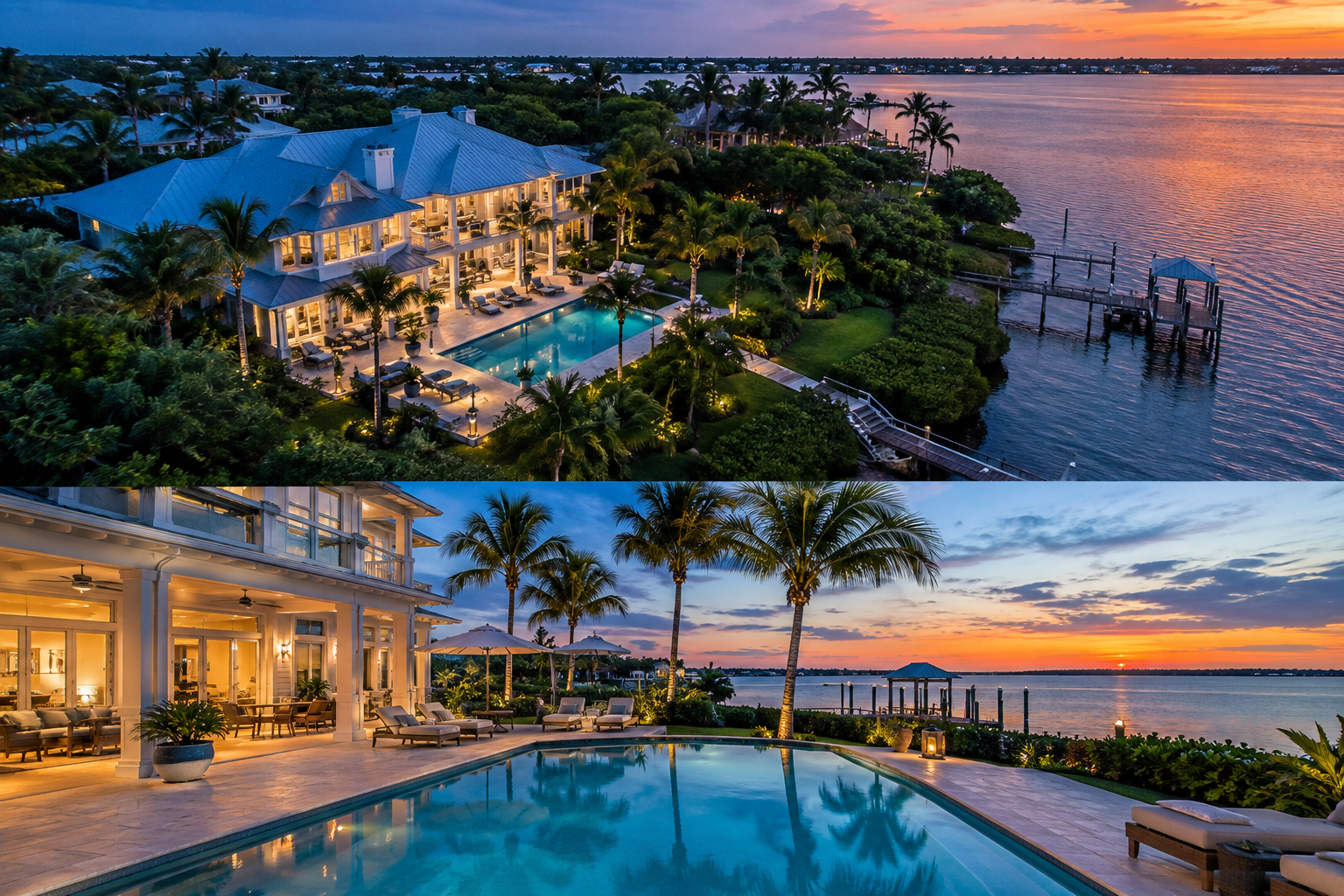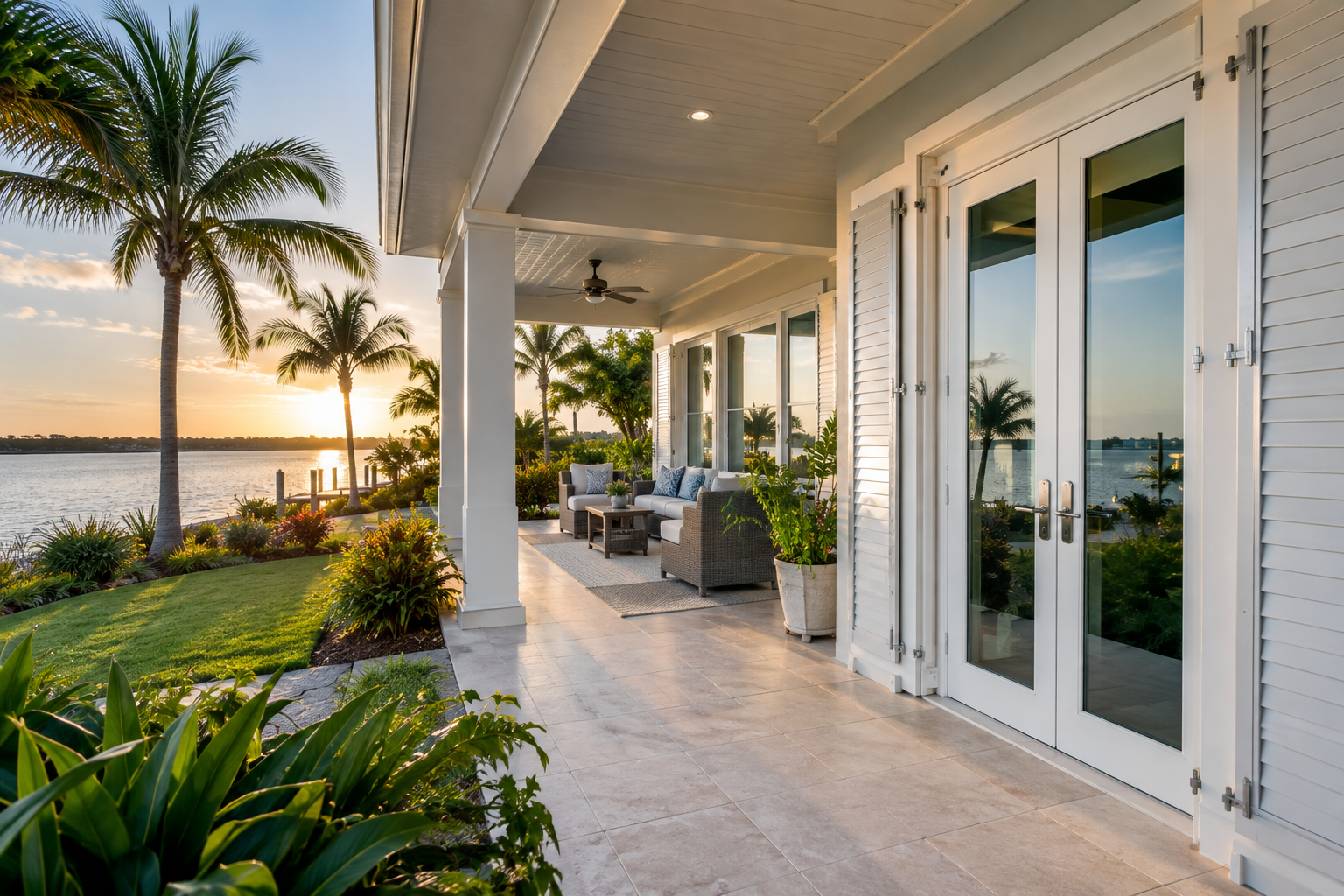
Why seawall crest height can matter more than square footage on Vero Beach waterfront estates comes down to one thing: the property’s ability to handle salt, tide, and insurance scrutiny without losing value. On the Indian River Lagoon and the Atlantic barrier island, a buyer is not just purchasing a view; the real asset is the structure’s relationship to flood elevation, dock permitting, drainage, and the materials that can survive daily exposure to brackish water and wind-driven spray.
The Seawall-to-Finished-Floor Equation on the Indian River Lagoon
On riverfront properties, the distance between the seawall top, the site grade, and the finished floor often tells you more about long-term ownership costs than a new kitchen or a remodeled bath. Buyers evaluating Riverfront Estates should ask for the elevation certificate, survey, and any documentation showing how the property drains during king tides and heavy afternoon rain. In Indian River County, an AE flood zone generally calls for more disciplined elevation planning than an X zone, but X does not mean carefree; many older lots still suffer from poor grading, hydrostatic pressure, or repetitive nuisance flooding after storms. A well-designed luxury home will keep mechanical systems above the design flood elevation, manage water away from the slab or crawlspace, and use a seawall cap that is high enough to reduce overtopping without creating a drainage trap for the lot behind it. The best waterfront values are often the ones that quietly solved these engineering problems years ago.
Dock Permits, Salt Exposure, and Material Selection That Hold Up on the Coast
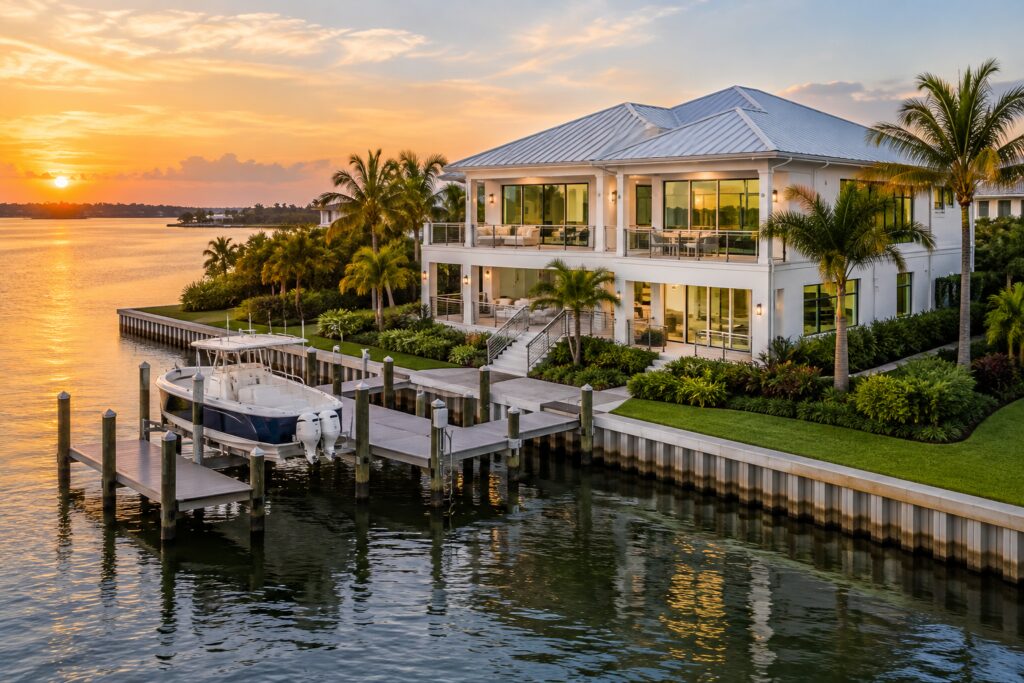
Dock, lift, and boathouse features can look turnkey while still carrying hidden risk if the permit trail is incomplete or the structure has been modified beyond what the original approval allows. Buyers comparing Oceanfront Properties and lagoon-front homes should confirm whether the existing dock matches county records, whether any repairs touched submerged land or mangrove edges, and whether lift placement respects riparian access and setback rules. On the 32963 barrier island, where salt air punishes hardware and exterior coatings far faster than inland conditions, material choice matters just as much as design: impact-rated glazing, stainless or marine-grade fasteners, powder-coated rail systems, high-performance stucco, and corrosion-resistant roofing details can materially reduce maintenance. For condominium and HOA-controlled luxury buildings, the same coastal logic applies in a different form: milestone inspections, reserve funding, balcony waterproofing, and façade maintenance plans can affect both financing and resale timing. A property may have a premium address, but if its envelope, dock, or association records are weak, the market will eventually price that weakness in.
Four Checks Before You Commit to a Vero Beach Waterfront Purchase
- Review the elevation certificate and flood map panel. Confirm whether the home sits in AE or X, identify the finished-floor height, and verify whether any renovations changed the relationship between the living level and the design flood elevation.
- Inspect the seawall, dock, and lift paperwork. Look for permit history, age, visible settlement, corrosion, and any work that may have been completed without full approvals from the county or relevant state agencies.
- Evaluate the exterior envelope for salt resistance. Check windows, roof attachments, stucco condition, balcony railings, and paint systems, especially on barrier island homes that absorb salt spray and wind load year-round.
- Read the HOA or condo file as carefully as the appraisal. Reserve studies, milestone inspections, special assessments, rental rules, and insurance deductibles can change the true cost of ownership faster than market headlines suggest.
Final Considerations for Vero Beach Buyers
Luxury on the Vero Beach coast is not defined by frontage alone; it is defined by how intelligently a property responds to water, weather, and regulation. The strongest purchases on the Indian River Lagoon and the barrier island are usually the ones with clear elevation documentation, permitted marine improvements, durable coastal materials, and a realistic understanding of flood and insurance exposure. When those pieces align, buyers gain more than a beautiful setting—they gain a property that is built to remain functional, financeable, and marketable through the next cycle of Florida coastal conditions.
FAQ
How does an AE flood zone affect a luxury riverfront purchase in Indian River County?
An AE designation usually means the home should be evaluated against a defined base flood elevation, so finished-floor height, mechanical placement, and drainage details become critical. It can also affect insurance pricing and renovation options, which is why buyers should review the elevation certificate before they negotiate price.
Can a buyer assume the existing dock or lift is fully approved?
No. Even when a dock appears well built, buyers should verify permit history, ownership, and any modifications that may have occurred after the original approval. Confirm permit history, ownership, and any HOA approval before relying on the structure in your contract. For tailored guidance and experienced local representation, connect with MacEvoy Real Estate Co. to protect your coastal investment.