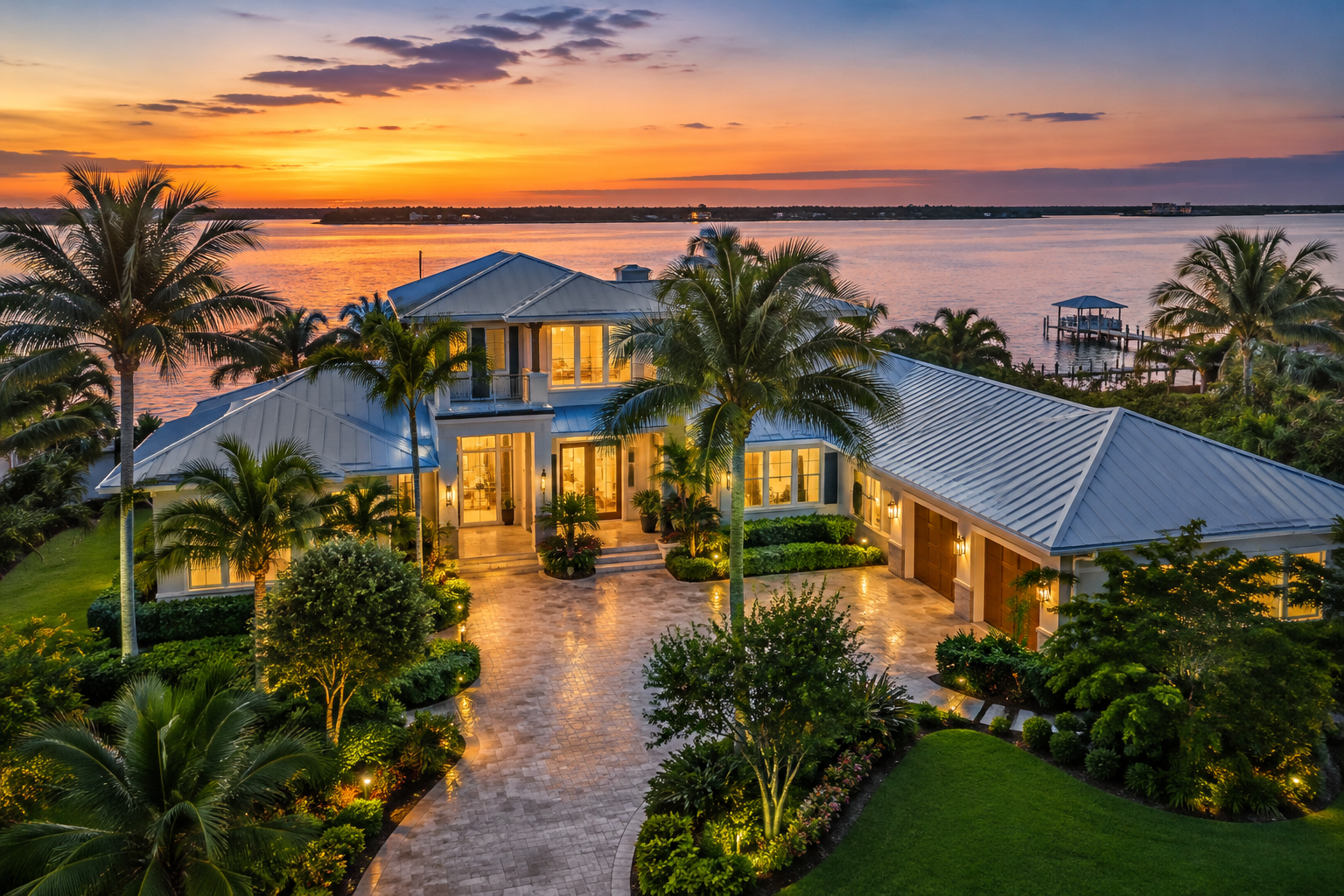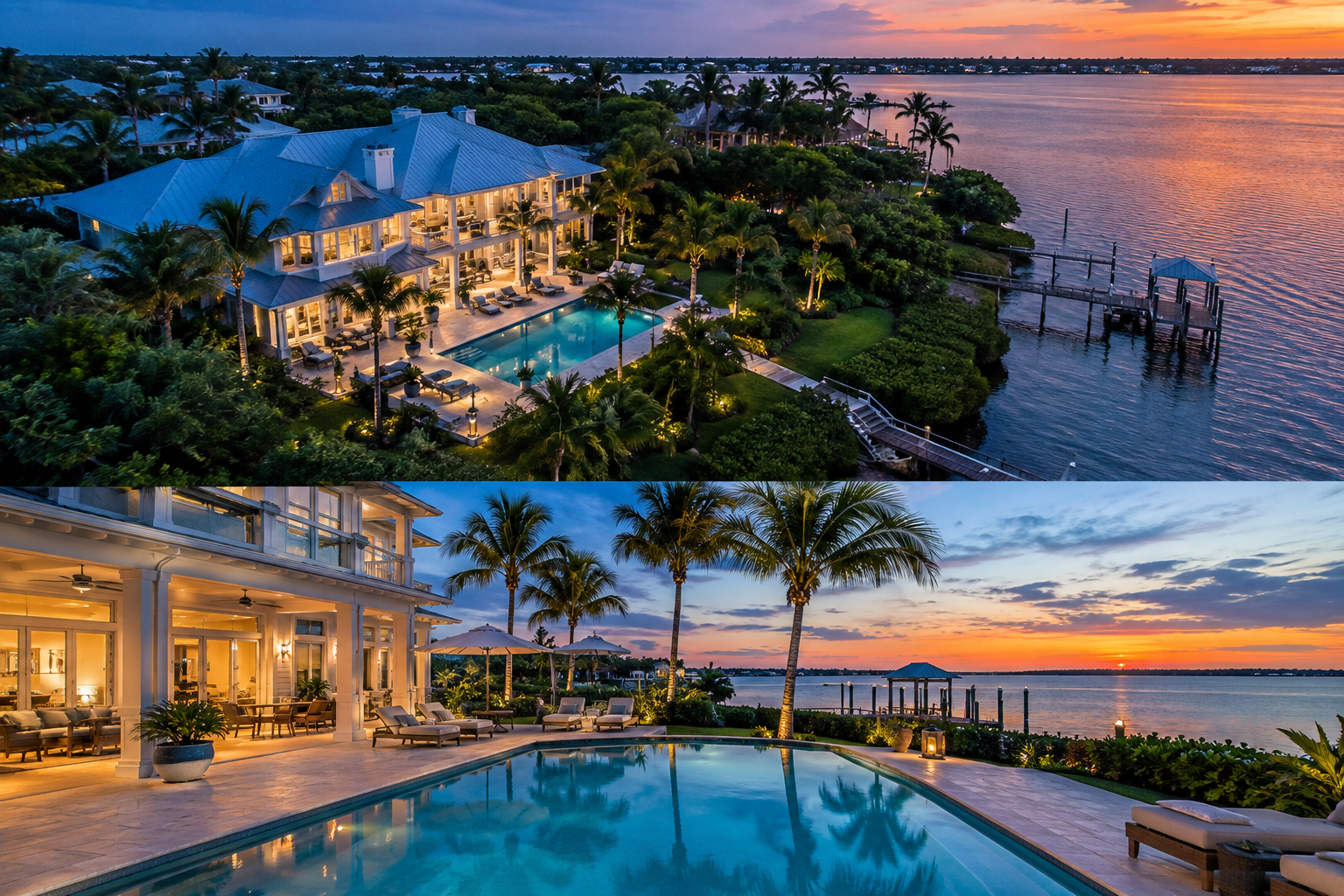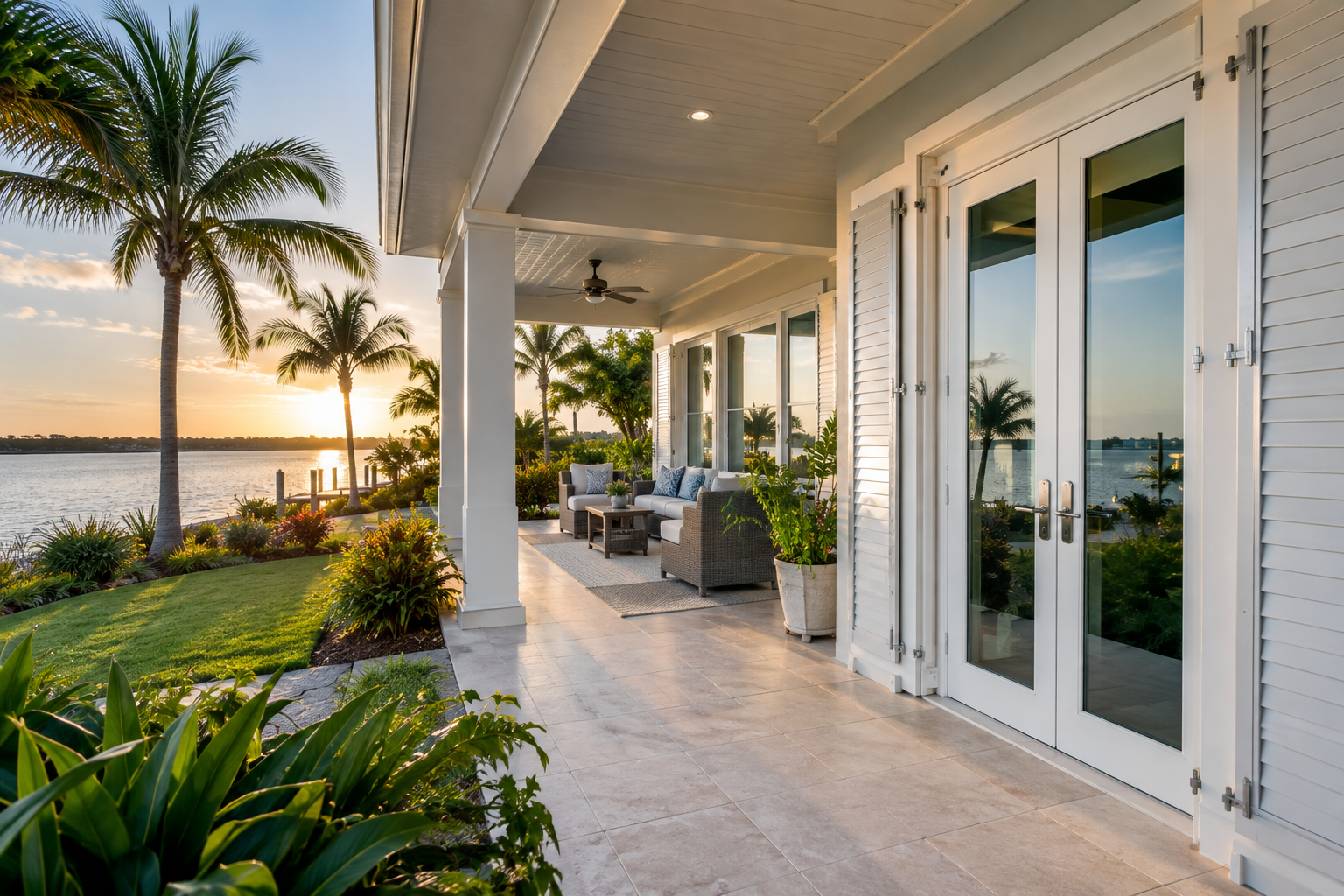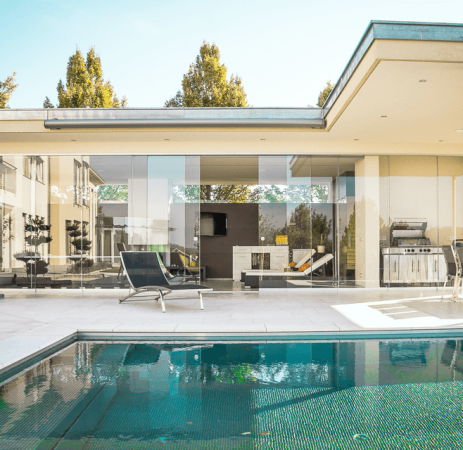
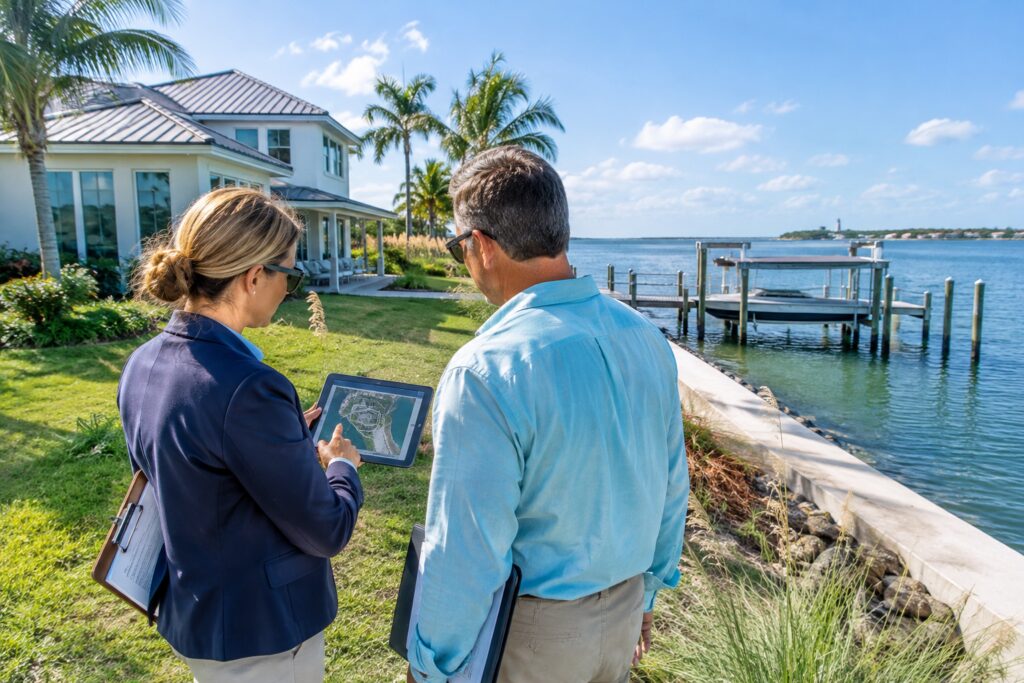
On Vero Beach‘s coast, the biggest difference between an oceanfront purchase and a riverfront purchase is not the view—it is what sits between the house and the water, and who is responsible for maintaining it. A 32963 barrier island property may depend on dune stability, seawall performance, or access to beach renourishment zones, while a mainland or lagoon-front home may hinge on dock permits, bulkhead condition, and Indian River Lagoon setbacks. Buyers who understand those distinctions before making an offer avoid the surprises that often show up after an inspection, an elevation certificate review, or an insurance quote.
Why the Waterline Infrastructure Matters More Than the View
Oceanfront properties in Vero Beach often carry a different risk profile than Indian River Lagoon or riverfront homes because salt spray, storm surge, and beach erosion can affect the structure, the site improvements, and the long-term cost of ownership. On the barrier island, the question is not just whether the home has ocean access; it is whether the dune system, seawall, and access easements are functioning as intended. If the property relies on a shared beach access path, a private dune crossover, or a seawall built decades ago, a buyer needs to verify whether those improvements are intact, permitted, and insurable.
Riverfront and lagoon-front homes can look simpler on paper, but they bring their own due diligence. Docks, lifts, boathouses, and riprap walls may be regulated by local and state agencies, and a property’s usefulness can depend on navigation depth, wake exposure, and shoreline stabilization history. In Indian River County, buyers should confirm whether improvements were properly permitted and whether any past repairs involved unpermitted work that could complicate closing or future resale. A dock that appears ready for sunset cruises can still become a liability if piles are deteriorating, electrical components are outdated, or the shoreline has shifted enough to affect the footprint.
What Underwriters and Inspectors Look for Before They Approve the Risk
Insurance underwriting on coastal real estate is increasingly tied to the property’s construction details and documented resilience. Expect the discussion to center on the roof age and shape, opening protection, secondary water barriers, and the results of a wind mitigation inspection. In coastal Florida, a hip roof, impact-rated openings, and strong roof-to-wall connections can materially influence premiums. If the home is in Flood Zone AE, the elevation certificate becomes a critical underwriting document because it helps determine how the structure compares to base flood elevation. Zone X does not eliminate flood risk, but it often reflects a different rating environment and may reduce some financing or insurance friction.
Inspectors and underwriters also pay close attention to materials that stand up to salt air. Fasteners, flashing, exterior railings, HVAC condensers, balcony details, and masonry connections can deteriorate faster in coastal conditions than they would inland. Condos and planned communities add another layer of scrutiny: association budgets, reserve funding, structural reports, and ongoing milestone inspections can affect both marketability and financing. Buyers should not assume that a beautiful building on the ocean is equally strong behind the stucco. On the barrier island, a property’s real value often depends on how well the structure has been maintained against wind, corrosion, and water intrusion over time.
Practical Coastal Buyer Due-Diligence Checklist
- Order and review the elevation certificate early, especially for homes in Flood Zone AE or any property with a history of flood claims or fill activity.
- Confirm the condition, age, and permit history of seawalls, docks, bulkheads, dune crossovers, and any shoreline stabilization work.
- Schedule a wind mitigation inspection and a full roof and exterior review to assess openings, roof-to-wall connections, corrosion, and salt-air wear.
- For condos and HOA properties, review association budgets, reserve studies, structural inspection history, and any milestone or engineering reports before you commit.
Final Considerations for Vero Beach Coastal Buyers
The smartest coastal purchase in Vero Beach is the one that matches the property’s setting with a clear understanding of maintenance, insurance, and regulatory exposure. Oceanfront homes on the barrier island and riverfront properties along the Indian River Lagoon each require a different lens, but both demand more than a casual walk-through and a glossy listing sheet. Buyers who verify elevation, inspect shoreline improvements, review windstorm protection, and examine association documents are far better positioned to protect both lifestyle and long-term value. In a market where salt air, flood zones, and structural regulations can change the economics of ownership, local due diligence is not optional—it is part of making a sound purchase.
FAQ
How does Flood Zone AE affect a Vero Beach coastal purchase?
Flood Zone AE usually means the lender and insurer will care closely about the structure’s elevation relative to base flood elevation. An elevation certificate can influence premiums, financing terms, and whether the home appears cost-effective compared with a similar property in Zone X.
Should buyers of oceanfront or riverfront property get a wind mitigation inspection?
Yes. A wind mitigation inspection can identify features that reduce storm risk and may improve insurance pricing. It is especially important on the barrier island, where roof attachment, opening protection, and construction details can have a major impact on ongoing ownership costs.
For tailored guidance and experienced local representation, connect with MacEvoy Real Estate Co. to protect your coastal investment.