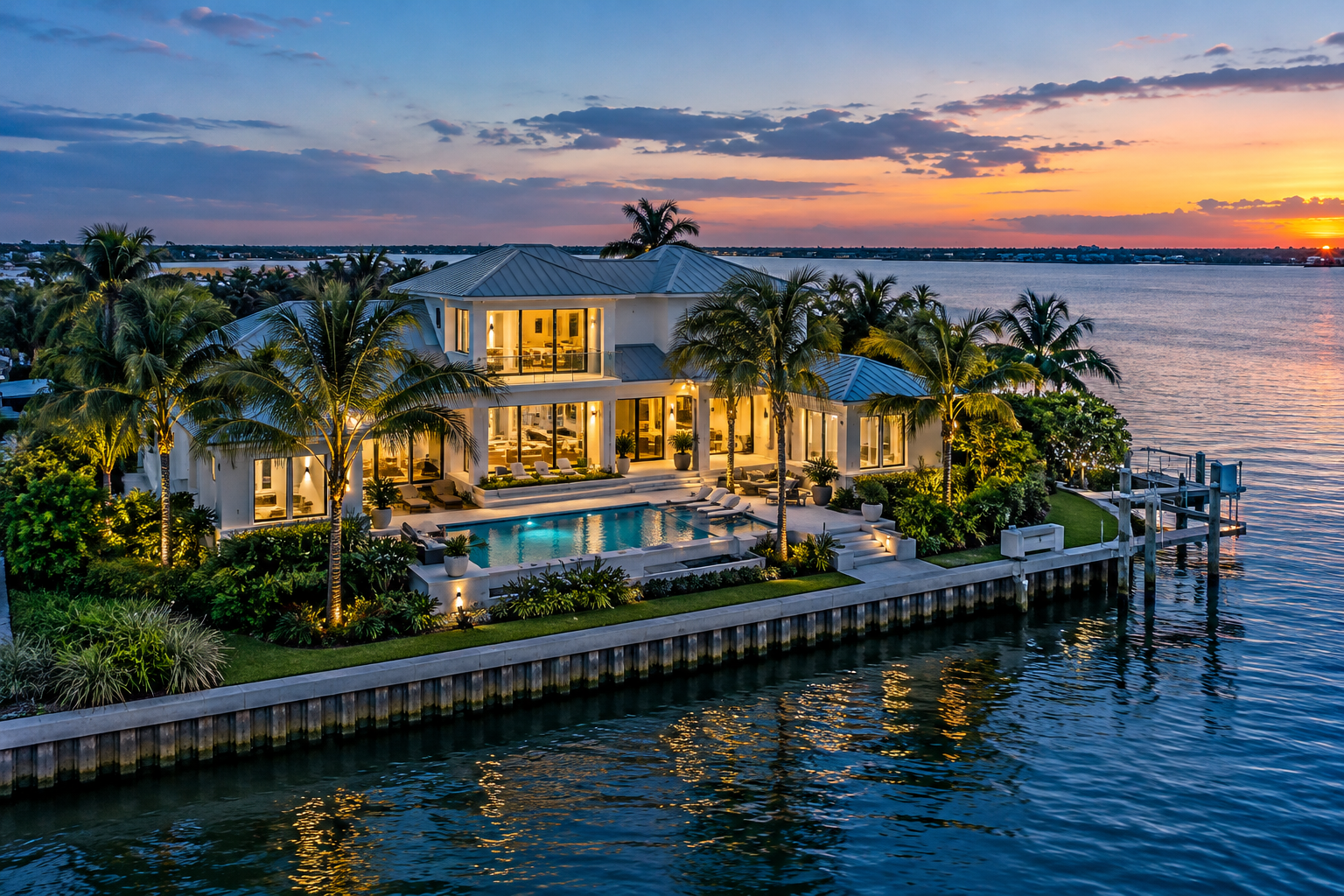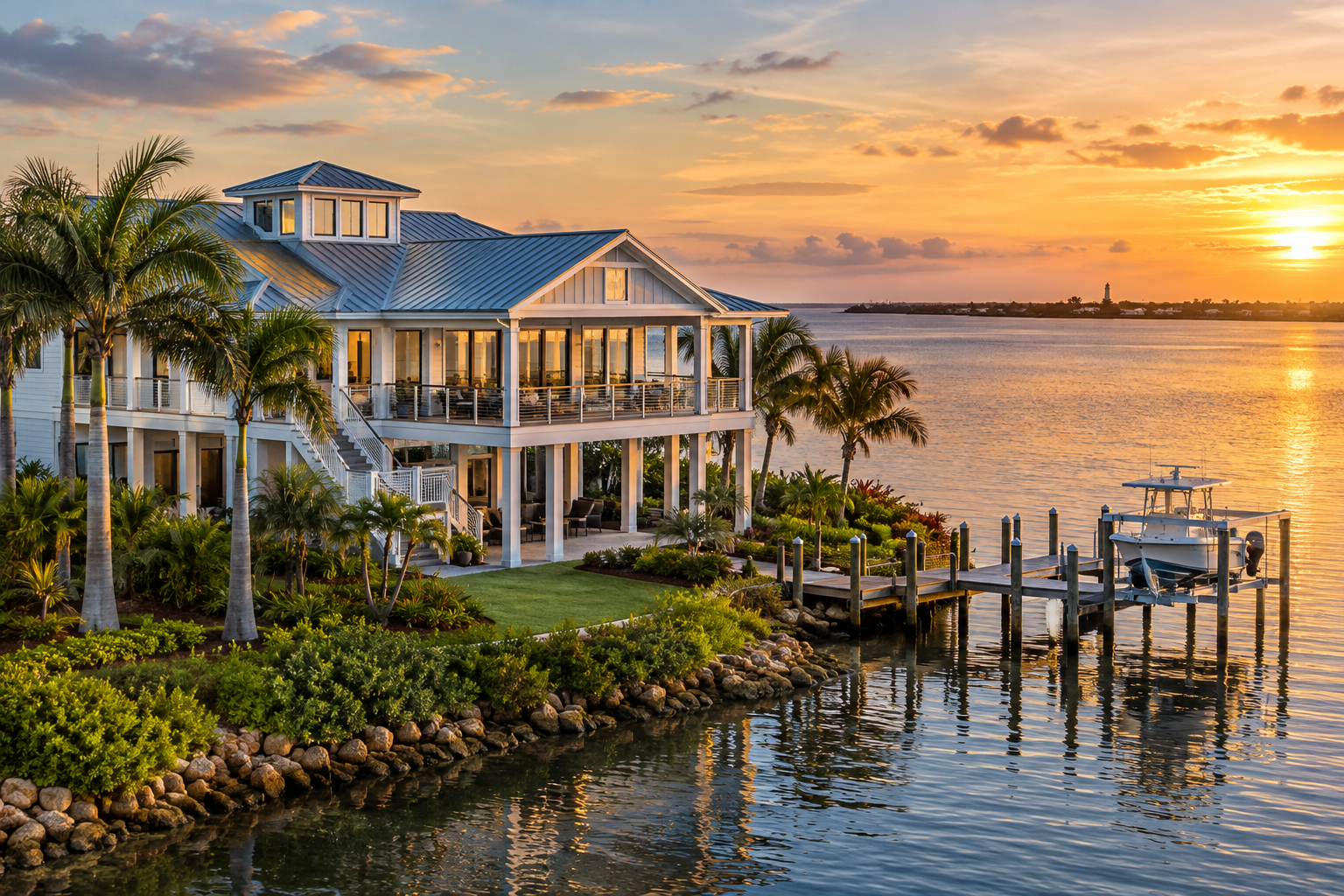

On Vero Beach‘s barrier island, the true monthly cost of a condo is often decided long before closing by a line item buried in the budget: who pays for the master gate, the seawall, the roof, the elevators, and the reserves behind them. In 32963, that matters even more because coastal buildings face Indian River Lagoon exposure, wind-driven salt air, and flood differences between AE and X zones that can change insurance, financing, and resale. A buyer who only compares dues can miss a second assessment layer, a thin reserve fund, or a rental rule that turns a promising unit into a poor fit.
Reading the Association Budget When One Property Carries Two Fee Layers
Gated communities in Vero Beach often split authority between a master association and a sub-association. The master handles the roads, gates, common landscaping, drainage, and sometimes shared amenities like clubhouses or tennis courts, while the sub-association handles the building, elevator systems, parking, and unit-level governance. That structure can be perfectly normal, but the real question is whether the dues are stable, documented, and sufficient for the assets they are supposed to maintain.
Review the budget with a focus on where the money actually goes, not just the total due. Look for separate reserve buckets, recurring transfer fees, insurance deductibles, and whether the declaration allows the master to levy charges that the sub-association then passes through to unit owners. The phrase Master Association Fees can hide a second bill that never appears in the headline dues number.
Pay close attention to reserve funding line items under Condo Reserves. In older coastal buildings, a healthy operating budget is not enough if the reserves are underfunded for roofing, concrete restoration, waterproofing, fire protection, or elevator modernization. If the association has been covering shortfalls with special assessments instead of actual reserve contributions, ask how many owners have already been hit and whether future buyers will inherit the next one.
A buyer should also compare the latest financial statement to the budget and the prior year. Rising assessments without matching reserve growth often signal deferred maintenance, insurance inflation, or a coming assessment. In Indian River County, that is not theoretical; coastal wear, contractor availability, and higher replacement costs can change the numbers quickly.
SB 4-D, Structural Reviews, and Lease Rules That Shape Resale Value
Florida’s SB 4-D changed the conversation for condo buyers because buildings three stories or higher must meet milestone inspection deadlines and structural reserve expectations that are no longer optional talking points. Ask for the most recent engineering report, whether any phase one or phase two findings were corrected, and whether the board has documented how the repair plan is being funded. A report that exists but is not paired with a realistic capital plan can still translate into future assessments.
On the coast, timing matters. A building near the Atlantic or the Indian River Lagoon can face faster deterioration from moisture, salt, and wind exposure, so a casual