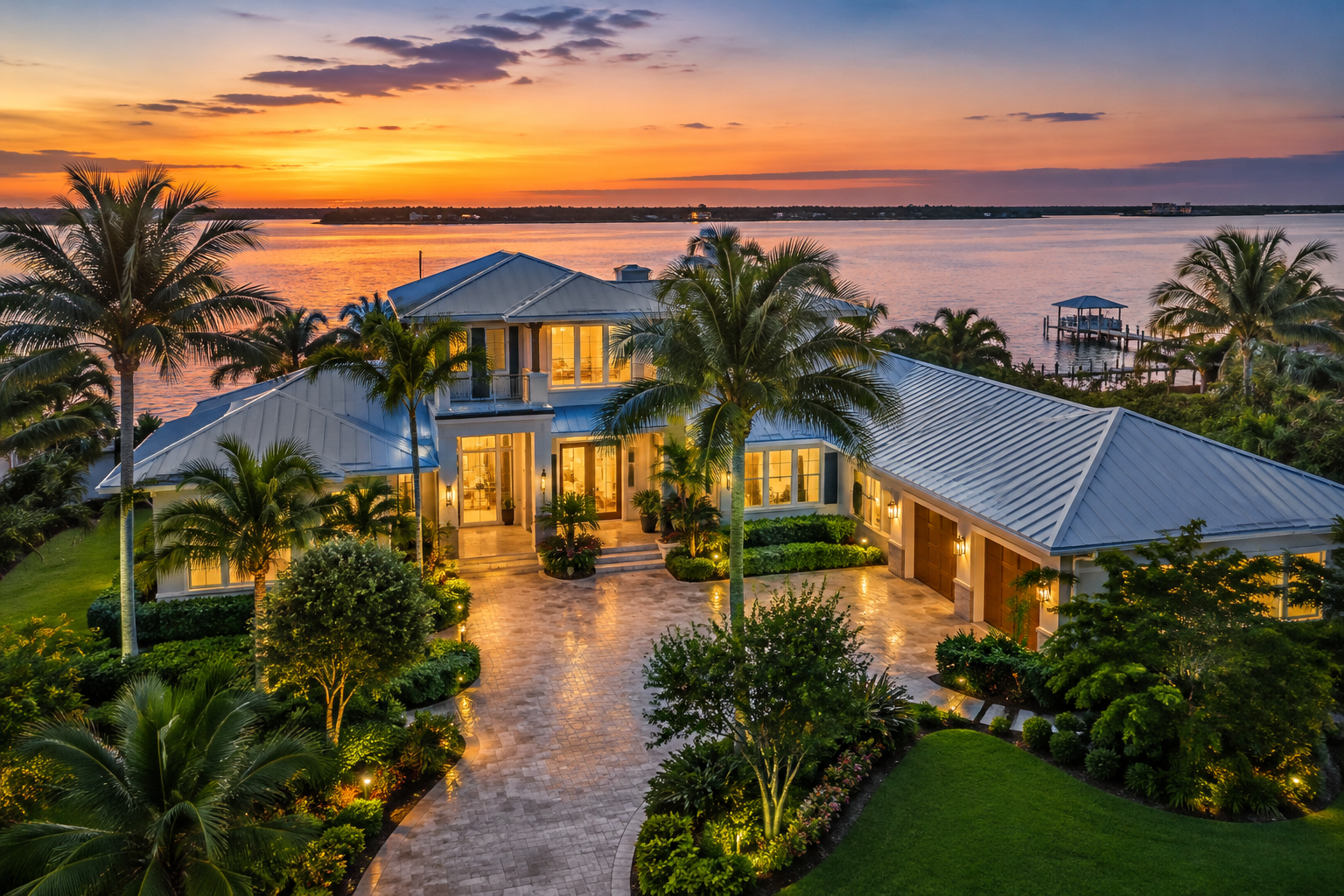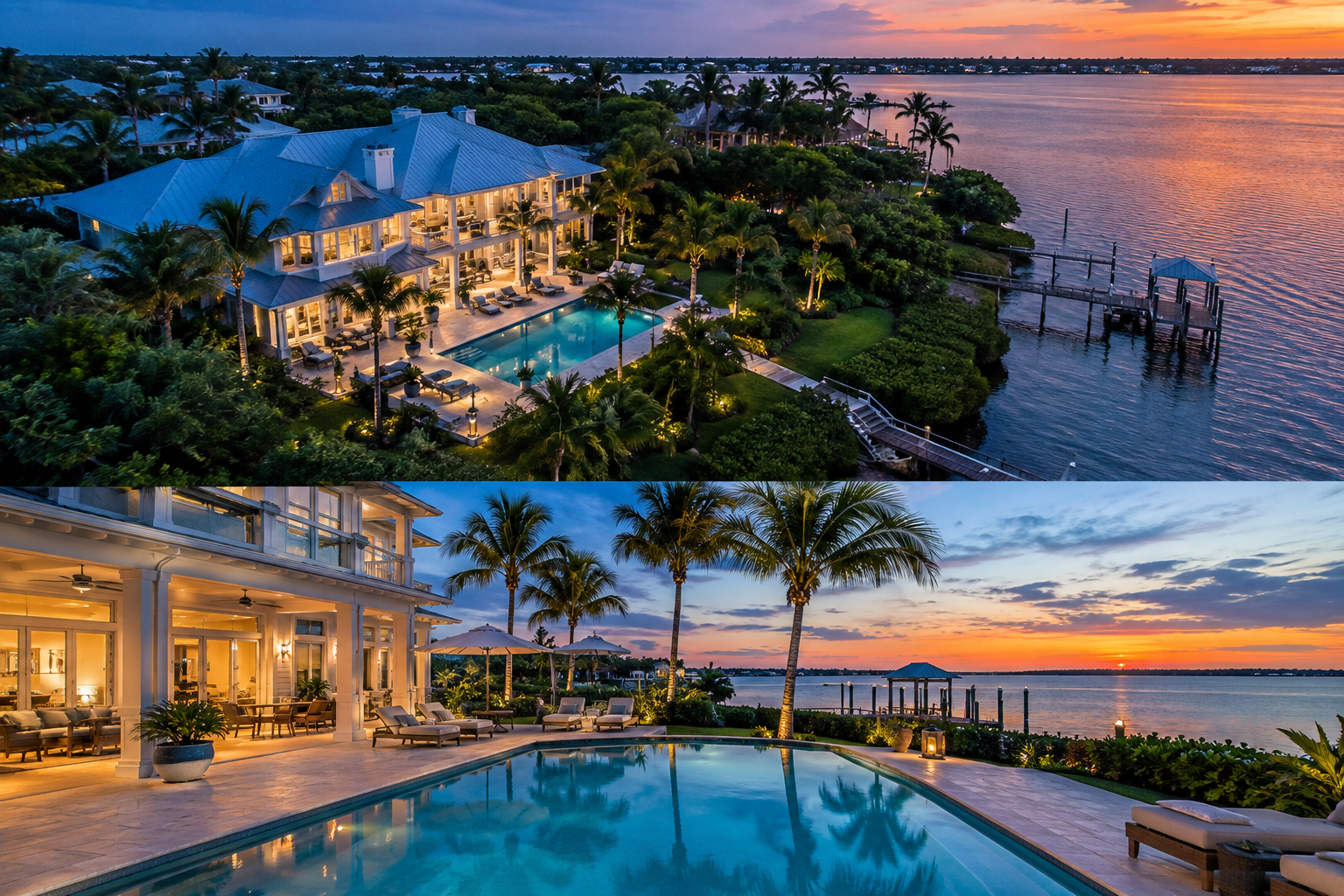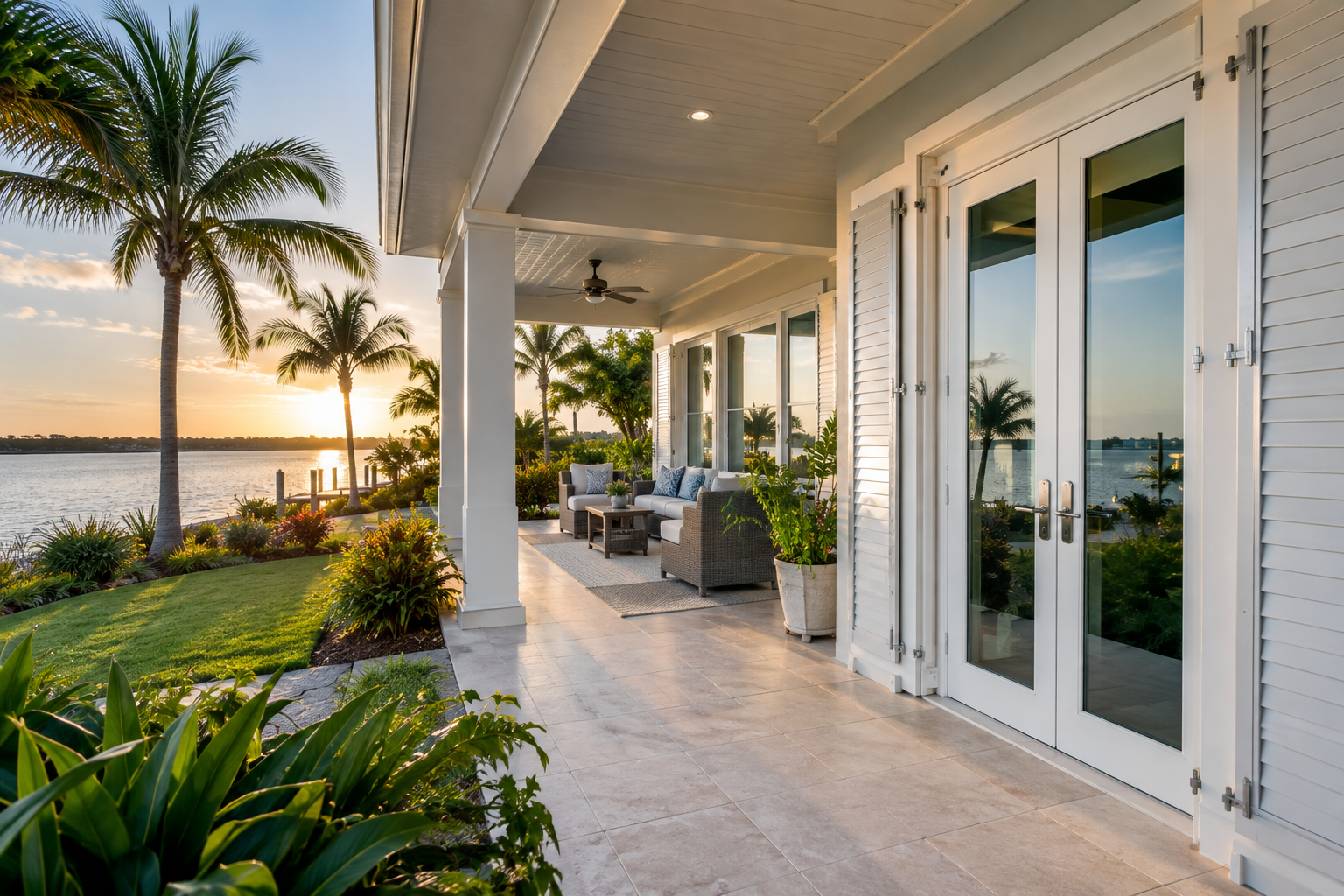
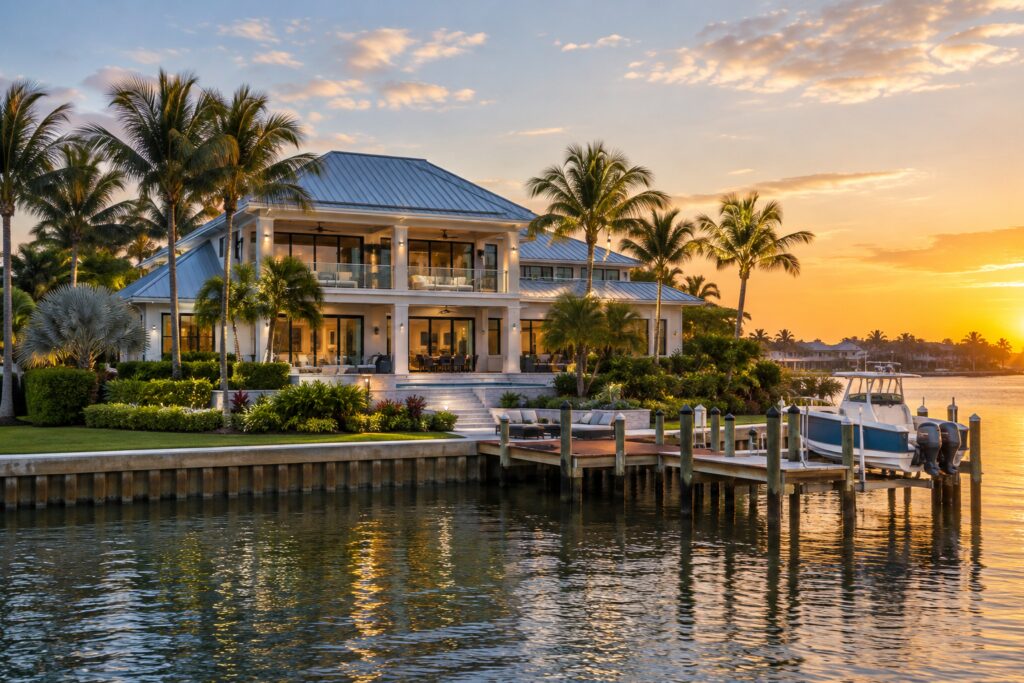
The first 24 inches above grade decide whether a Vero Beach waterfront home feels effortless during a summer squall or expensive after the first king tide. On the barrier island in 32963 and along Indian River Lagoon frontage on the mainland, buyers should study the threshold, slab, dock, and exterior skin before they fall in love with the view, because salt air, surge, and repeated wetting will expose weak construction long before a showing calendar does.
Why the 24-Inch Threshold Matters More Than Square Footage
In Indian River County, the most valuable comparison is often not bedroom count but finished-floor elevation, garage positioning, and how the house handles water once it reaches the lot line. A property in Flood Zone AE is subject to a much tighter regulatory and insurance framework than a similar-looking home in Flood Zone X, and that difference can affect lender requirements, premium cost, and the owner’s ability to modify the structure later. Buyers evaluating Riverfront Estates should ask for the elevation certificate, compare the lowest adjacent grade to the base flood elevation, and confirm whether the home has freeboard above the minimum. On the barrier island, even homes above the map line can still face wind-driven rain, dune overtopping, and garage flooding during a severe weather event, while mainland parcels near the lagoon can experience tidal backup through storm drains and low yard grades. The practical question is simple: where does the water go when it arrives, and what parts of the house are built to accept that answer without damage?
Luxury buyers should also look beyond the first floor. Mechanical equipment elevated above flood exposure, sealed stair enclosures, impact-rated openings, and properly detailed balconies are not cosmetic upgrades; they are the difference between a coastal asset and a recurring repair file. A smart purchase in Vero Beach treats elevation as a system, not a number on a survey.
Dock Permits, Salt-Resistant Finishes, and the Details That Preserve Value
Dock ownership on the Indian River Lagoon is never just about convenience at sunset. Riparian access, seawall condition, dock length, lift placement, lighting, and habitat sensitivity all affect what can be built and how it must be maintained. County review, state permitting, and environmental constraints can shape the project timeline, especially where manatee protection, submerged vegetation, or navigational clearance are involved. That is why buyers of luxury waterfront property should review permits before closing, not after the contractor arrives. In the highest-end coastal work, Coastal Engineering is not a buzzword; it is the discipline that determines whether a seawall cap survives, whether a dock pile remains stable, and whether the shoreline investment can handle repeated salinity without premature failure.
Exterior materials should be specified for the marine environment from the outset. 316 stainless fasteners, marine-grade aluminum railings, corrosion-resistant door hardware, high-performance sealants, fiber-cement siding, elastomeric stucco systems, and impact-rated windows with coastal-rated frames all belong in the conversation. Even the best architectural design will underperform if soffits, roof edges, balcony drains, and HVAC pads are left to generic inland standards. In oceanfront and riverfront settings, salt intrusion is relentless, and the maintenance plan must be built into the purchase decision. In attached communities and condominiums, buyers should also review milestone inspections, reserve funding, and any pending structural or seawall assessments, because deferred maintenance on a shared building can become a very personal expense after closing.
4-Point Due Diligence Checklist for Vero Beach Waterfront Buyers
- Verify the flood story, not just the flood zone. Review the elevation certificate, FEMA map panel, finished-floor height, garage slab height, and any history of water intrusion. Zone X does not guarantee immunity, and Zone AE does not automatically make a property unworkable.
- Audit every dock, seawall, and shoreline modification. Request final permits, inspection sign-offs, contractor invoices, and repair dates. Unpermitted work can complicate financing, insurance, and future resale.
- Inspect the building envelope for salt resistance. Check roof age, window and door ratings, balcony hardware, soffits, exterior paint system, and the condition of any exposed metal. Coastal wear often starts in the smallest details.
- Read the HOA or condo documents with a structural lens. Confirm reserve levels, milestone inspection status, rental rules, special assessment history, dock-use policies, and whether the association has a plan for major exterior systems.
Final Considerations for Vero Beach Buyers
The strongest waterfront purchases in Vero Beach are not defined by view alone; they are defined by how well the site, structure, dock, and association documents work together under coastal pressure. Buyers who understand elevation, permitting, corrosion control, and reserve discipline can separate true long-term value from expensive glamour. That standard matters on the barrier island, on mainland lagoon frontage, and in any community where salt, water, and regulation shape ownership from day one. For tailored guidance and experienced local representation, connect with MacEvoy Real Estate Co. to protect your coastal investment.
FAQ
Is Flood Zone X always a safer choice than Flood Zone AE for a waterfront home?
No. Flood Zone X usually carries less regulatory scrutiny, but it can still be vulnerable to heavy rain, drainage failure, wind-driven surge, and localized ponding. The better question is how the home is elevated, drained, and documented.
What should buyers request before purchasing a home with a dock or seawall?
Ask for permits, final inspections, age and material details, repair history, and confirmation that the work complies with current local and environmental requirements. If a structure was modified without clear paperwork, assume added risk until proven otherwise.