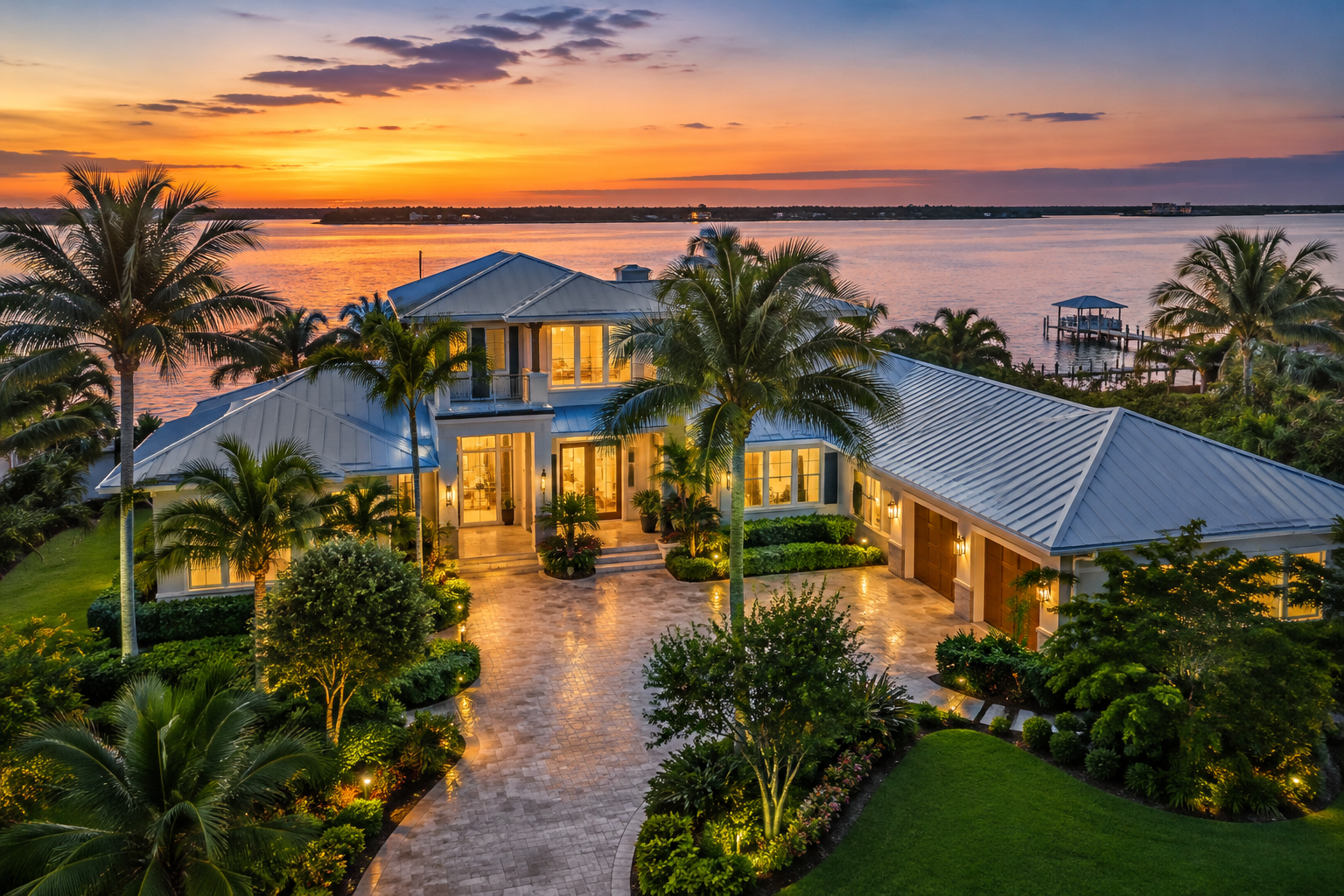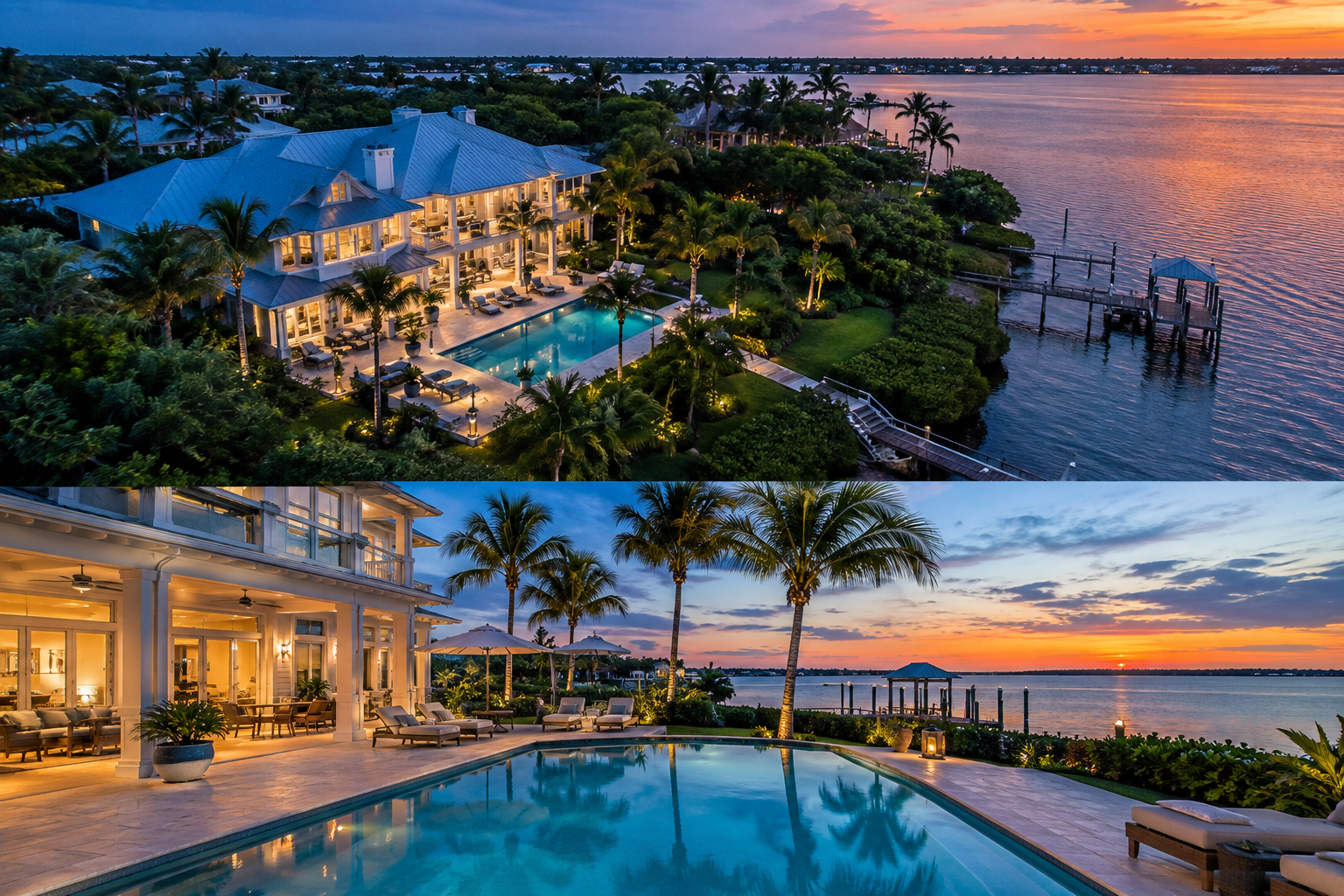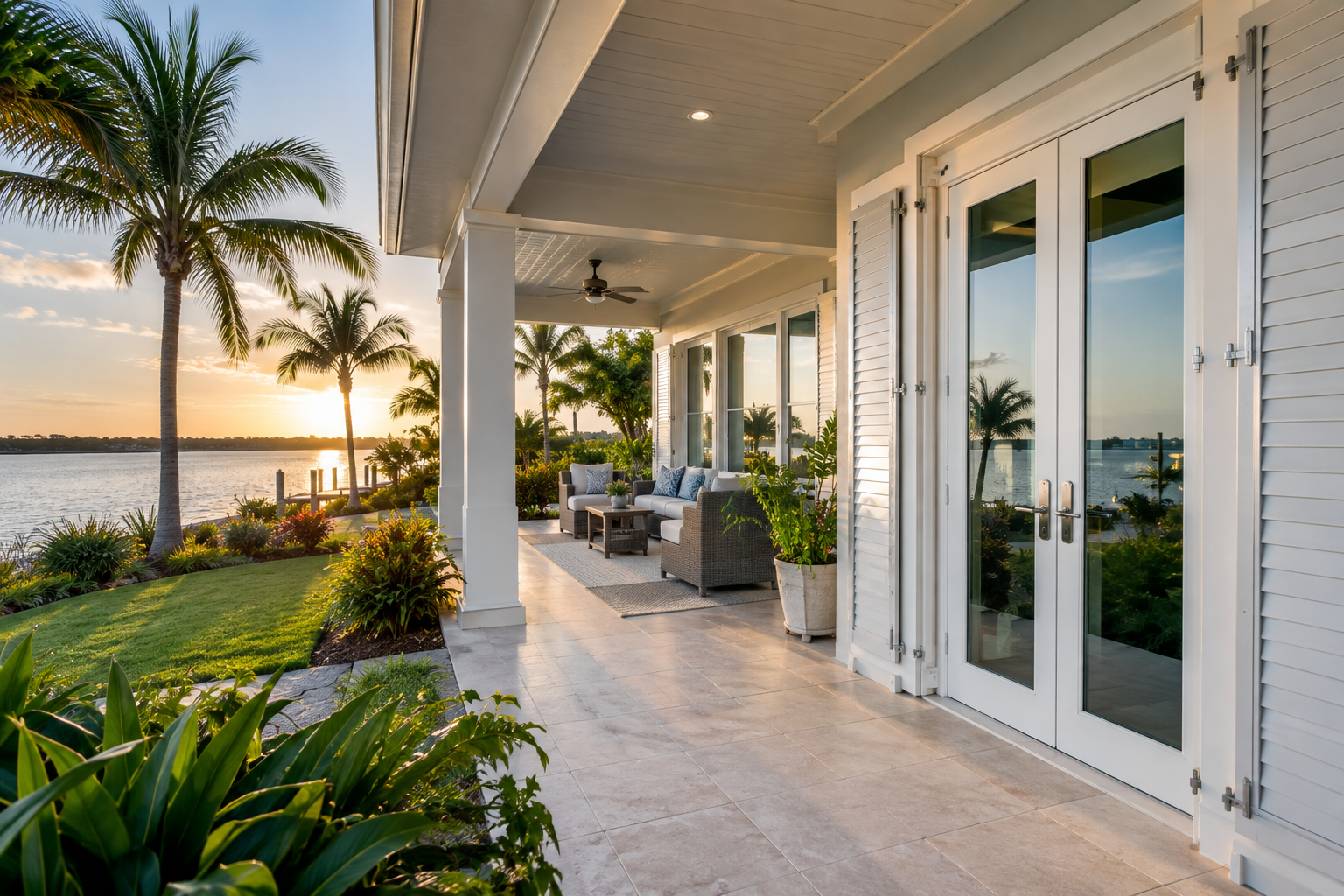
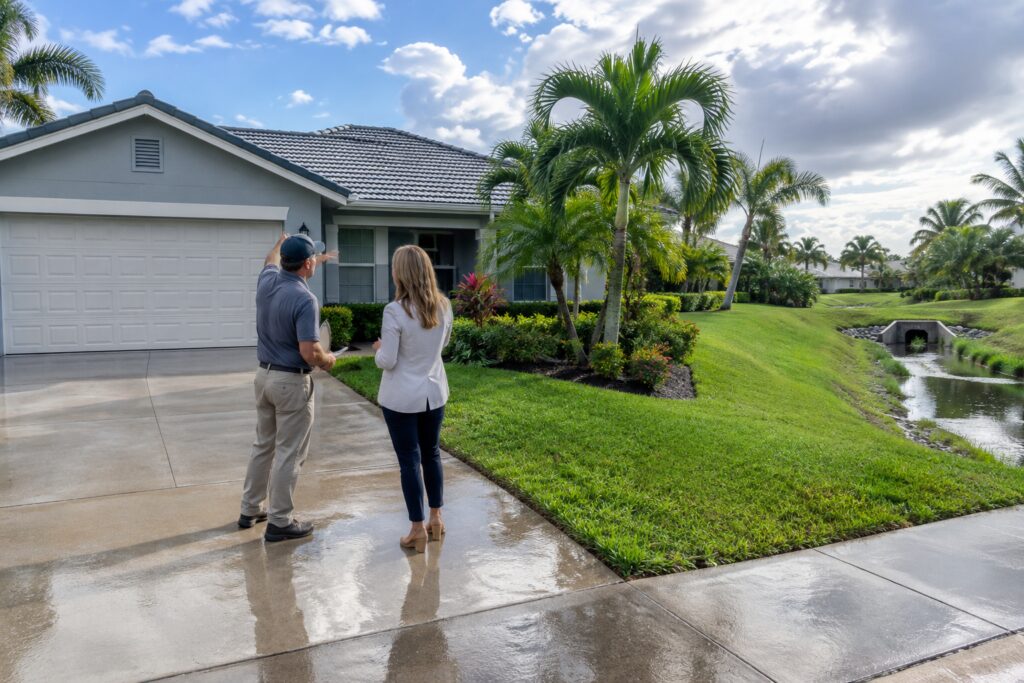
Mainland single-family buying in Vero Beach is won or lost on details most out-of-area buyers never notice: whether a front-yard swale is functioning, whether the home sits in AE or X, whether the subdivision east or west of 58th Avenue carries HOA rules that limit fencing or parking, and whether the roof-to-foundation connections were built for Florida wind instead of just Florida sunshine.
The lot is doing more work than the floor plan
In Mainland Vero Beach, the yard often acts as part of the drainage system. On the mainland, especially along 58th Avenue, Route 60, and the neighborhoods that feed into the Indian River Lagoon watershed, a swale is not decorative landscaping; it is a stormwater route that must remain open and correctly graded. Buyers should ask whether the seller has altered the lot with fill, patios, sheds, or landscaping that could interfere with flow. Indian River County expects private owners and HOAs to keep drainage features functional, and a fence, planter bed, or widened driveway can become a real problem if it blocks a low point or easement. In communities with architectural control, the HOA may require approval for changes even when the county also requires a permit. For Drainage Swales, the practical test is simple: does rainwater move away from the house and toward the intended outlet without pooling at the garage, side yard, or neighboring lot?
That question matters just as much in master-planned sections as it does on non-HOA acreage in Sebastian or Fellsmere. A well-kept lot can still fail a buyer’s inspection if the grading was flattened during a previous renovation or if a culvert under the driveway is undersized for summer downpours. Before closing, verify whether any swale, ditch, or easement is shared, who is responsible for maintenance, and whether the property has had any code enforcement history tied to drainage, fill, or unpermitted site work. The best mainland purchase is not the lot with the greenest grass; it is the lot that still performs like a drainage plan when the afternoon storm hits.
Wind, flood, and insurance costs reveal the real operating budget
Roof shape, attachment methods, opening protection, and flood elevation often matter more to long-term ownership costs than granite counters or new flooring. A strong Wind Mitigation report can reduce the cost of insuring a single-family home, but only if the structure has the details insurers reward: roof-to-wall connectors, a continuous load path, rated shutters or impact glass, and a garage door that can hold pressure during a storm event. Homes outside the barrier island still need serious scrutiny because mainland Vero Beach can take wind and heavy rain from the same systems that threaten 32963, and a roof built to code decades ago may not meet today’s expectations for mitigation credits.
Flood zone status should be checked early, not after the inspection period closes. AE and X are not just map labels; they drive lending, insurance, and sometimes the buyer’s comfort with the property. AE zones usually require closer attention to elevation certificates, while X zones may still sit near drainage paths, retention ponds, or lagoon-influenced water tables that affect the lot after major rainfall. If you are comparing homes in a newer 58th Avenue community with acreage farther west, look at the annual carrying cost as a whole: county, school, and municipal millage, special assessments, HOA dues, and any flood policy or wind policy premium. Millage rates change every year, so the property tax line on a seller’s bill is only a snapshot. The right comparison is the full, current cost to own the home after insurance, not just the asking price.
4-point due-diligence checklist for mainland single-family buyers
- Confirm the drainage story. Ask for the site plan, verify swale direction, look for added fill, and confirm that fences, driveways, or sheds do not block runoff or easements.
- Verify flood exposure before making a final offer. Pull the FEMA map, ask for an elevation certificate if one exists, and compare AE versus X to the insurance quote you will actually pay.
- Inspect the roof and exterior envelope for wind readiness. Review roof age, attachment details, shutters or impact glazing, garage-door bracing, and any prior wind mitigation documentation.
- Check land-use and carrying costs. In Sebastian or Fellsmere acreage, confirm zoning, well and septic status, agricultural allowances, and any restrictions on outbuildings, livestock, or parking; in HOA neighborhoods, confirm dues, rules, and special assessments.
Final Considerations for Vero Beach Buyers
Mainland Vero Beach can deliver more yard, more flexibility, and often a different price point than the barrier island, but those advantages come with a duty to read the site as carefully as the house. Drainage swales, grading, flood zones, millage, wind mitigation, and neighborhood restrictions all shape the real cost of ownership in Indian River County, especially when a property sits near 58th Avenue, Route 60, Sebastian, or Fellsmere. Buyers who treat these items as deal-breakers or negotiation points are usually the ones who avoid expensive surprises later. For tailored guidance and experienced local representation, connect with MacEvoy Real Estate Co. to protect your coastal investment.
Frequently Asked Questions
How do I know whether a mainland Vero Beach home is really in Flood Zone AE or X?
Check the current FEMA flood map, request the seller’s elevation certificate if one exists, and confirm the result with your lender and insurance agent. A home can look dry and still sit close to a drainage path, so the map, the elevation, and the quote should all line up before you remove contingencies.
Can I add a fence, driveway expansion, or outbuilding if the property has a swale?
Possibly, but not automatically. If the swale is part of the lot’s drainage function or a recorded easement, Indian River County and sometimes the HOA will expect permits and specific design details so water can still move off the property. Always confirm approvals before you build.