Vero Beach waterfront homes trade on more than view corridors; the real value sits in the engineering that keeps the property dry, accessible, and insurable when tide cycles, nor’easters, and summer storms press against the Indian River Lagoon or the Atlantic barrier island. Buyers in 32963 should read a listing as a structural story: finished-floor height, foundation type, dock permissions, exterior materials, and whether the home sits in AE or X can change maintenance costs and resale strength as much as the number of bedrooms.
Flood Elevation, Freeboard, and the Difference Between AE and X
On riverfront estates and oceanfront properties alike, the first question is not the kitchen finish; it is whether the structure was designed for local water realities. An AE designation typically means a measurable flood risk, lender scrutiny, and higher insurance costs, while an X zone often signals lower mapped risk but not zero exposure. In Indian River County, buyers should ask for an elevation certificate, the FEMA map panel number, the date of the last survey, and documentation showing how the home handles freeboard above base flood elevation. Elevated living floors, properly vented enclosures, and pile-supported foundations can reduce vulnerability, but only if they were built and maintained to current code. A beautiful home on paper can still become an expensive liability if the slab, crawlspace, or lower level was treated as an afterthought.
Salt-Air Materials, Docks, and Permits That Preserve Value
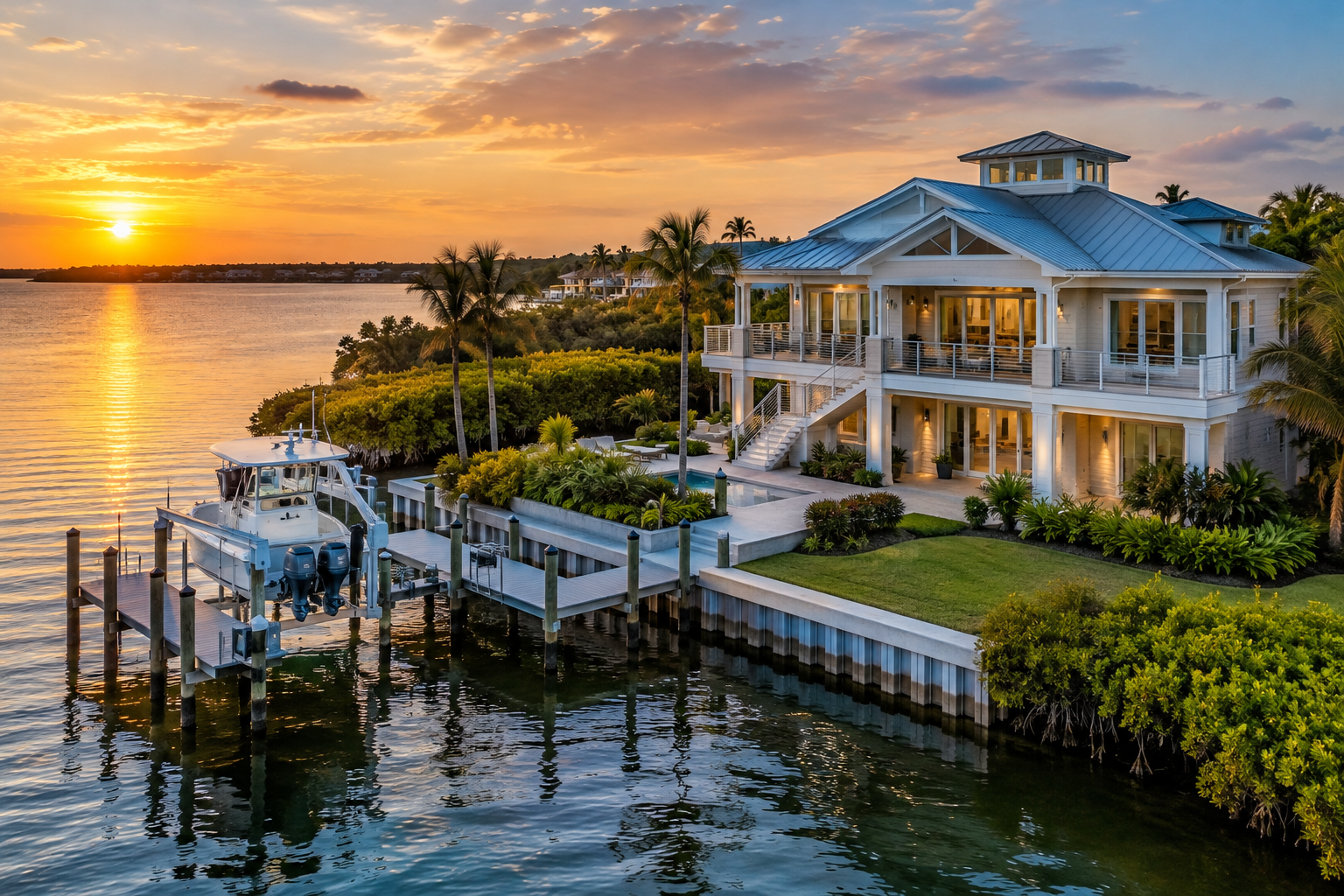
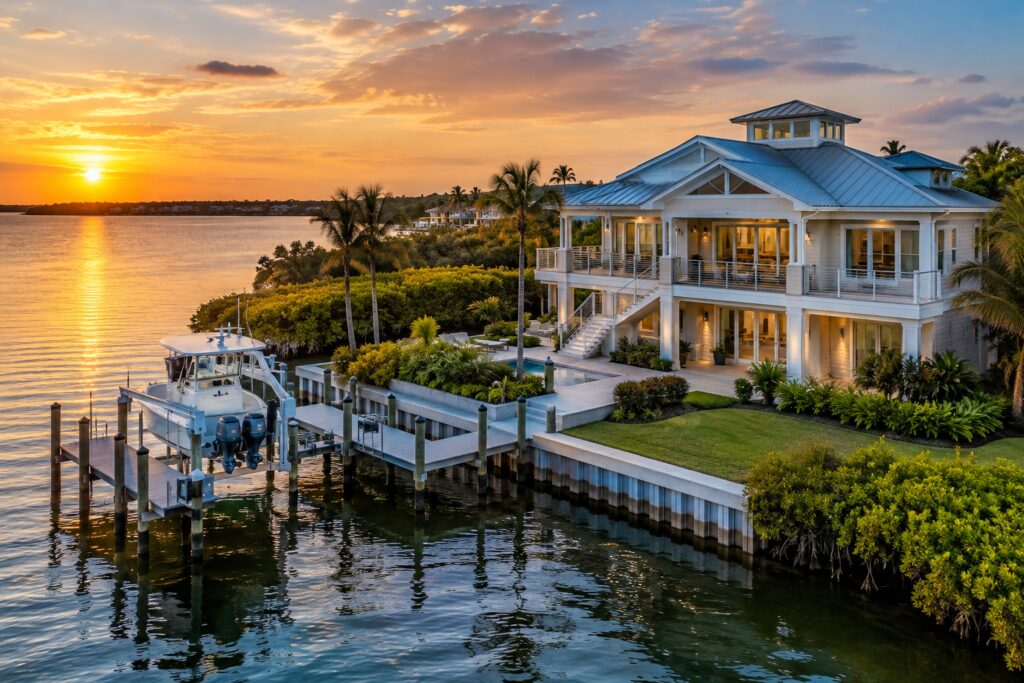
Coastal luxury on the lagoon or the beach depends on materials that can survive salt, humidity, and ultraviolet exposure without constant repair. Look for impact-rated glazing, standing seam metal or well-maintained tile roofing, marine-grade fasteners, sealed balcony systems, and exterior finishes that resist corrosion and spalling. On the water side, dock permitting is not a casual checkbox: riparian rights, seawall condition, boat lift approvals, mangrove impacts, and any local, state, or federal review can shape whether the dock you see today is the dock you can keep tomorrow. Buyers should verify permit history with the seller and confirm there are no unresolved violations, especially where shoreline work intersects Indian River Lagoon protection rules. In planned communities and condos, architectural control, reserve funding, and milestone inspection records matter just as much as the dock itself, because structural repairs and special assessments can quickly change the true cost of ownership.
A Practical Due-Diligence Checklist for Luxury Waterfront Purchases
- Confirm flood exposure early. Review the flood zone, elevation certificate, prior claims history, and current wind and flood insurance quotes before you negotiate price.
- Inspect the shoreline infrastructure. Evaluate the seawall, dock, lift, pilings, and drainage patterns, then request permits and maintenance records that prove the improvements are legal and functional.
- Study the exterior envelope. Check for corrosion, roof age, impact openings, balcony waterproofing, HVAC placement, and any signs of salt-related deterioration that can be expensive to correct.
- Read the association files if applicable. For HOA or condo properties, review reserve studies, milestone inspection results, special assessments, rental rules, and litigation so the monthly numbers reflect reality.
Final Considerations for Vero Beach Buyers
Luxury waterfront ownership in Vero Beach is won or lost in the details that do not show up in a wide-angle listing photo. A strong purchase decision starts with the flood map, the survey, and the structure’s elevation, then moves to the roof, exterior materials, dock permissions, seawall health, and any association obligations that affect long-term cost. Buyers who understand how Indian River County, the barrier island, and lagoon-front shoreline rules interact can focus on properties that deliver both lifestyle and durability instead of paying a premium for hidden risk. That approach protects resale value, reduces surprises after closing, and makes the water part of the asset rather than the problem.
FAQ
How does an AE flood zone affect a luxury waterfront purchase in Vero Beach?
AE usually means a more detailed review of finished-floor elevation, flood insurance, and mitigation features such as vents or raised systems. Buyers should compare the elevation certificate, expected premium, and any history of repetitive flooding before they move forward.
What should buyers verify before closing on a home with a private dock or marina access?
Confirm riparian rights, dock permit history, seawall condition, lift approvals, and any association requirements that could limit repairs or expansions. For tailored guidance and experienced local representation, connect with MacEvoy Real Estate Co. to protect your coastal investment.