On Vero Beach waterfront property, the most valuable design decision is often the one buyers never notice on the first tour: where the house puts its mechanical systems, utility rooms, and service access in relation to tide, spray, and stormwater. Along the Indian River Lagoon and the Atlantic barrier island in the 32963 zip code, a luxury estate can look identical from the driveway and still perform very differently over time depending on whether HVAC air handlers, generators, electrical panels, and pool equipment were designed above the practical flood-and-salt threshold rather than merely above the finished floor.
What separates a resilient luxury estate from a merely pretty waterfront house
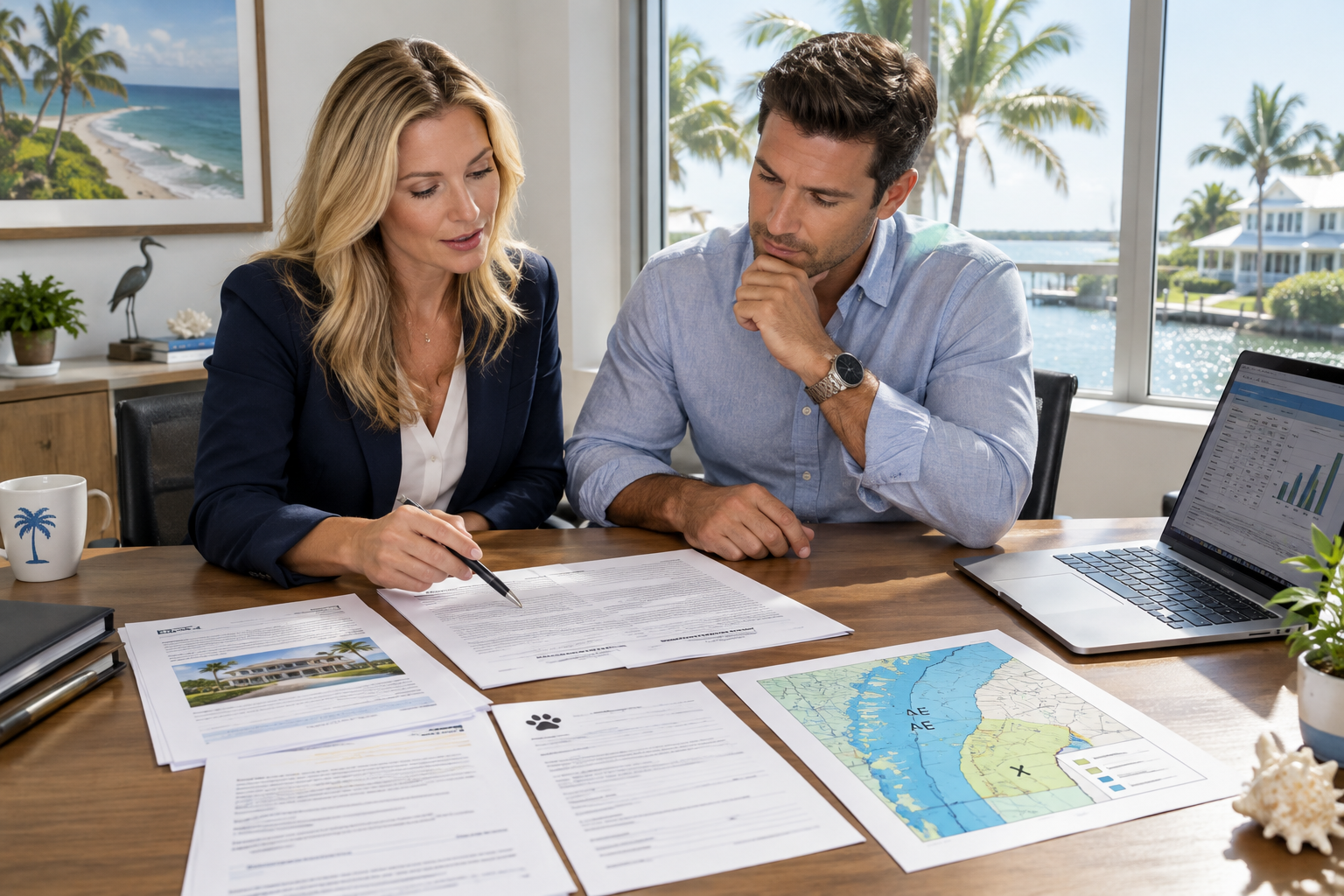
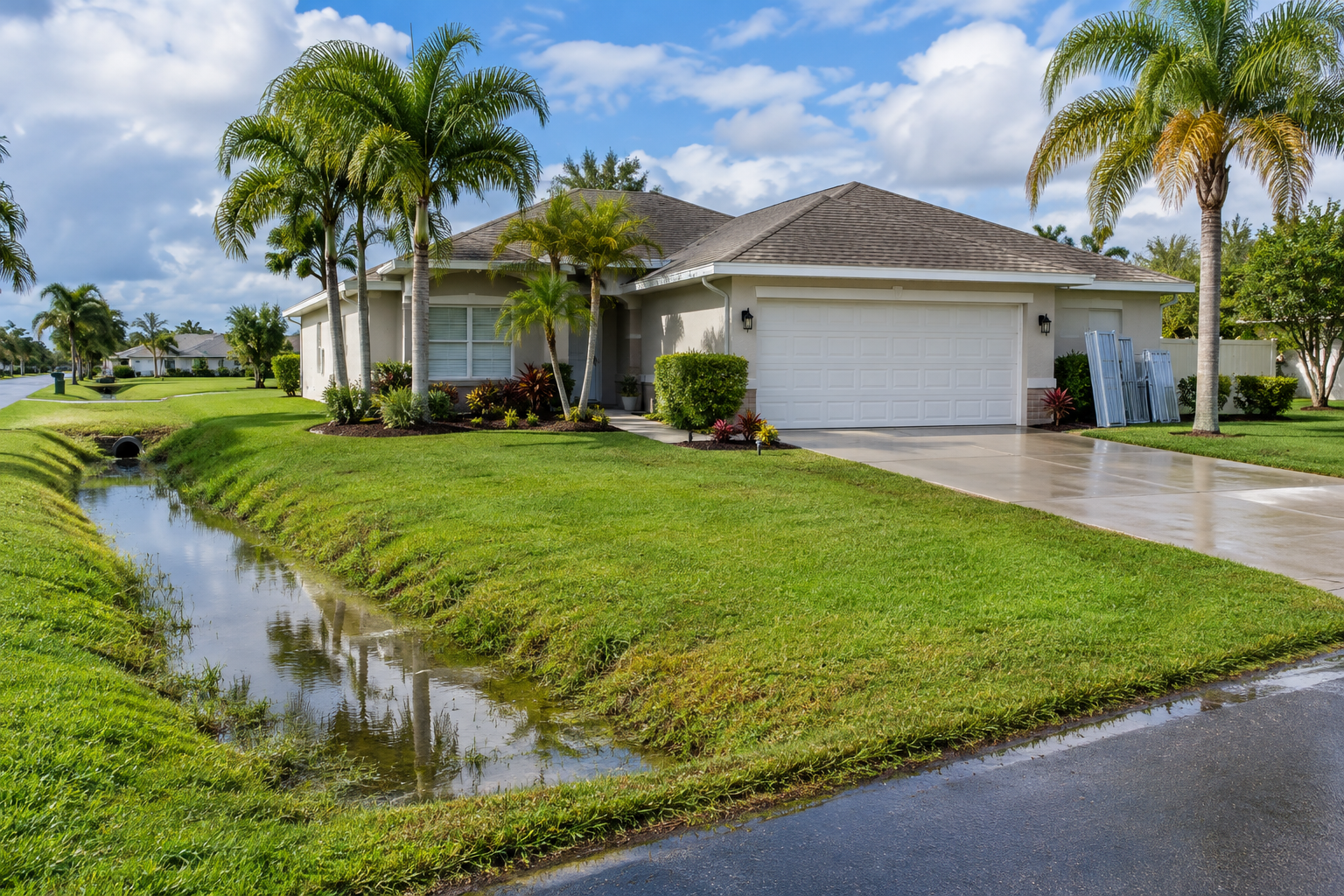
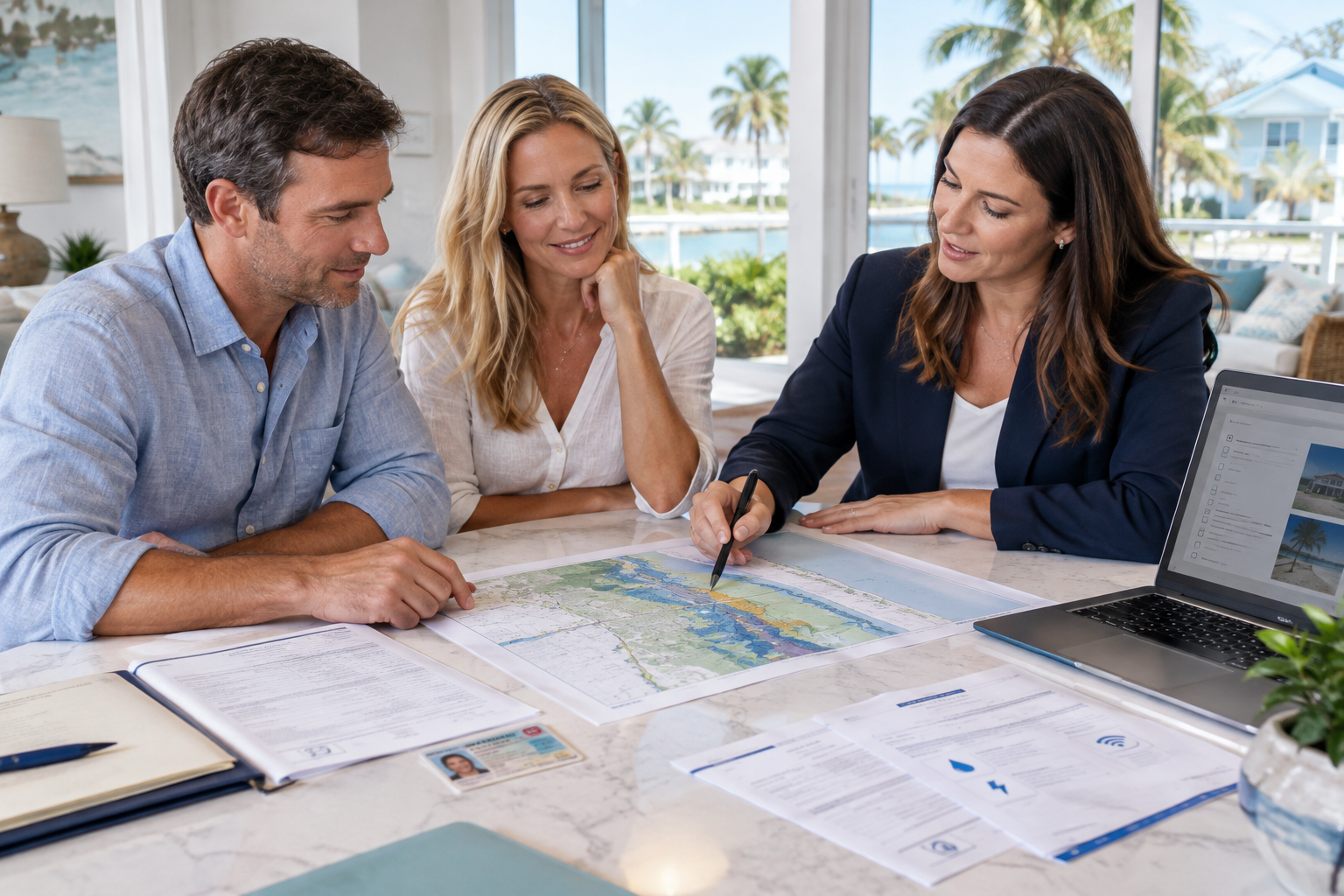
In Vero Beach, elevation is not a single number. Buyers need to understand the relationship between finished floor elevation, lowest mechanical elevation, garage slab height, dock approach grade, and the applicable flood designation. In an AE zone, the conversation shifts quickly from aesthetics to compliance, insurance, and long-term maintenance. In an X zone, many owners assume the property is exempt from resilience planning, but coastal reality rarely cooperates with that assumption when heavy rain, king tides, and surge-driven drainage become part of the equation.
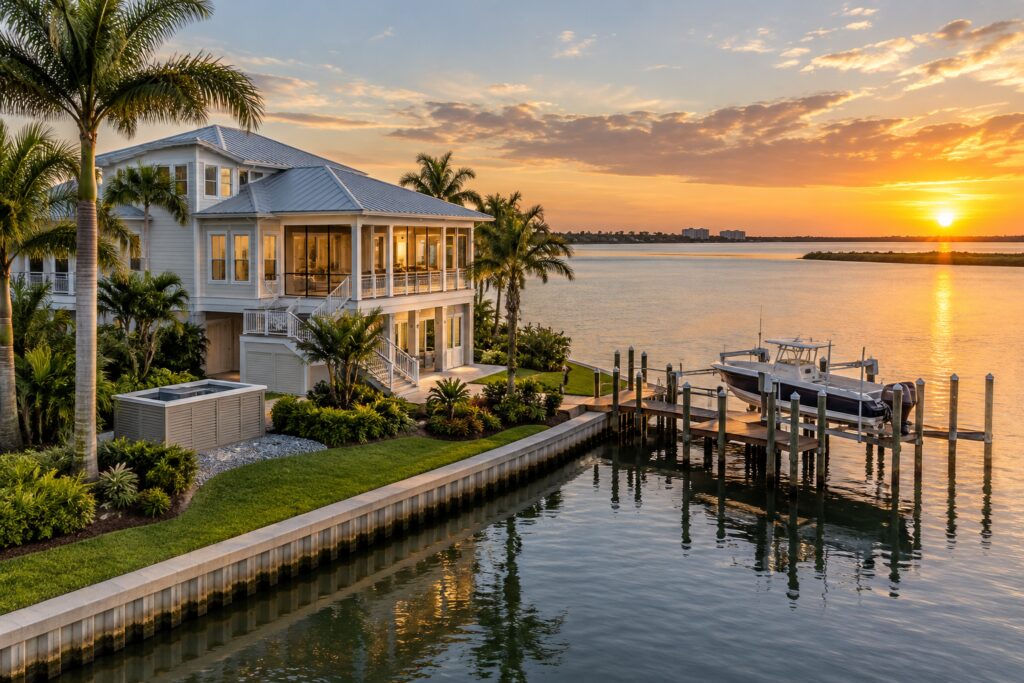
For homes directly on the river or a tidal canal, the smartest floor plans separate habitable luxury from vulnerable service functions. That means placing generators on elevated platforms, keeping electrical service above known water pathways, and avoiding ground-level layouts that invite corrosion and flood intrusion. Buyers evaluating Indian River Lagoon frontage should ask not only how the view looks at sunset, but how the house behaves during a high-water event, a prolonged tropical rain cycle, or a maintenance outage after a storm.
High-end builders in Indian River County increasingly design for layered resilience: impact-rated glazing, reinforced roof-to-wall connections, elevated access points for service technicians, and utility placement that avoids the lowest part of the site. On barrier island parcels, that approach becomes even more important because the lot itself may sit closer to wind exposure, storm surge, and salt spray than a mainland residence. The goal is not simply to meet code; it is to preserve the home’s function, insurance profile, and resale value.
Dock lines, seawalls, and the finish schedule that survives salt spray
Waterfront buyers often focus on the dock first, but the dock is only one piece of the marine system. A luxury riverfront purchase should be reviewed for riparian boundaries, seawall condition, lift capacity, piling quality, and whether prior work was permitted through the proper county and state channels. A dock that was enlarged without review can become a closing complication, while a seawall that looks acceptable from the water may be hiding settlement, cap deterioration, or deferred structural repairs.
Permitting is especially important on properties that reach into the active navigation area of the lagoon. Dock length, lift placement, boat access, lighting, and habitat impacts can all affect approvals. That is why a buyer should treat marina-like features as regulated infrastructure, not decorative extras. The practical standard is simple: if the site supports a yacht, lift, or multi-slip arrangement, the paperwork should be as clean as the elevation certificate.
Material selection matters just as much as permitting. In Coastal Construction, the difference between a five-year maintenance headache and a durable waterfront asset often comes down to details like 316 stainless fasteners, marine-grade aluminum rail systems, properly sealed masonry, fiber-cement exterior cladding, and impact-rated windows with corrosion-resistant hardware. Buyers should also look closely at soffits, balconies, exterior lighting, door thresholds, and sealants, because those are the areas where salt air and wind-driven moisture usually reveal the quality of the build.
For oceanfront parcels, the durability test is harsher. The Atlantic exposure on the barrier island demands stronger attention to roof performance, exposed metal components, window systems, and the way the structure sheds water after a storm. For riverfront estates, the challenge is often chronic rather than dramatic: tide cycles, humidity, salt mist, and routine splash exposure can degrade cheaper components even when no major storm ever makes landfall. That is why smart buyers look beyond style and evaluate the assembly of the home like an engineer would.
Four due-diligence checks that should happen before you write the strongest offer
- Verify the elevation certificate. Compare the finished floor, garage slab, and lowest mechanical components against the actual flood designation, especially if the home sits in AE rather than X.
- Review marine permits and survey lines. Confirm that docks, lifts, seawalls, and overwater improvements were approved correctly and that no unpermitted expansion is hiding in the property history.
- Inspect salt-vulnerable components. Check HVAC platforms, electrical panels, balcony hardware, exterior sealants, railings, and window systems for corrosion, staining, and deferred replacement.
- Read the association documents with coastal timing in mind. For HOA and condo properties, review milestone inspection results, reserve funding, insurance deductibles, and any post-storm repair obligations before relying on the listing narrative.
Final Considerations for Vero Beach Buyers
The best luxury waterfront purchase in Vero Beach is not the property with the biggest view alone; it is the property whose engineering, permitting history, and materials match the realities of the site. On the barrier island, that means respecting wind, salt, and surge exposure. On the mainland, it means understanding drainage, flood zones, and long-term access to the water. Whether you are evaluating a custom riverfront estate, a 32963 oceanfront residence, or a condo with marina access, the right decision starts with elevation, permits, and maintenance discipline. Buyers who examine those details early are far better positioned to protect lifestyle, financing, insurance, and resale strength in the Indian River County market.
FAQ
How do AE and X flood zones affect riverfront pricing in Vero Beach?
AE zones usually require more scrutiny because the home must meet stricter elevation and insurance expectations, which can influence both carrying costs and resale. X zones are often viewed as lower risk, but buyers still need to assess drainage, storm access, and the actual height of key components because coastal flooding does not always respect a mapped boundary.
Do I need separate approval for a dock, lift, or seawall modification?
In many cases, yes. Dock and seawall work can trigger county, state, and sometimes federal review, especially on lagoon-front properties where setbacks, habitat impacts, and navigational concerns matter. Before closing, confirm that the existing improvements were permitted correctly and that any future changes are realistic under current Indian River County rules.
For tailored guidance and experienced local representation, connect with MacEvoy Real Estate Co. to protect your coastal investment.