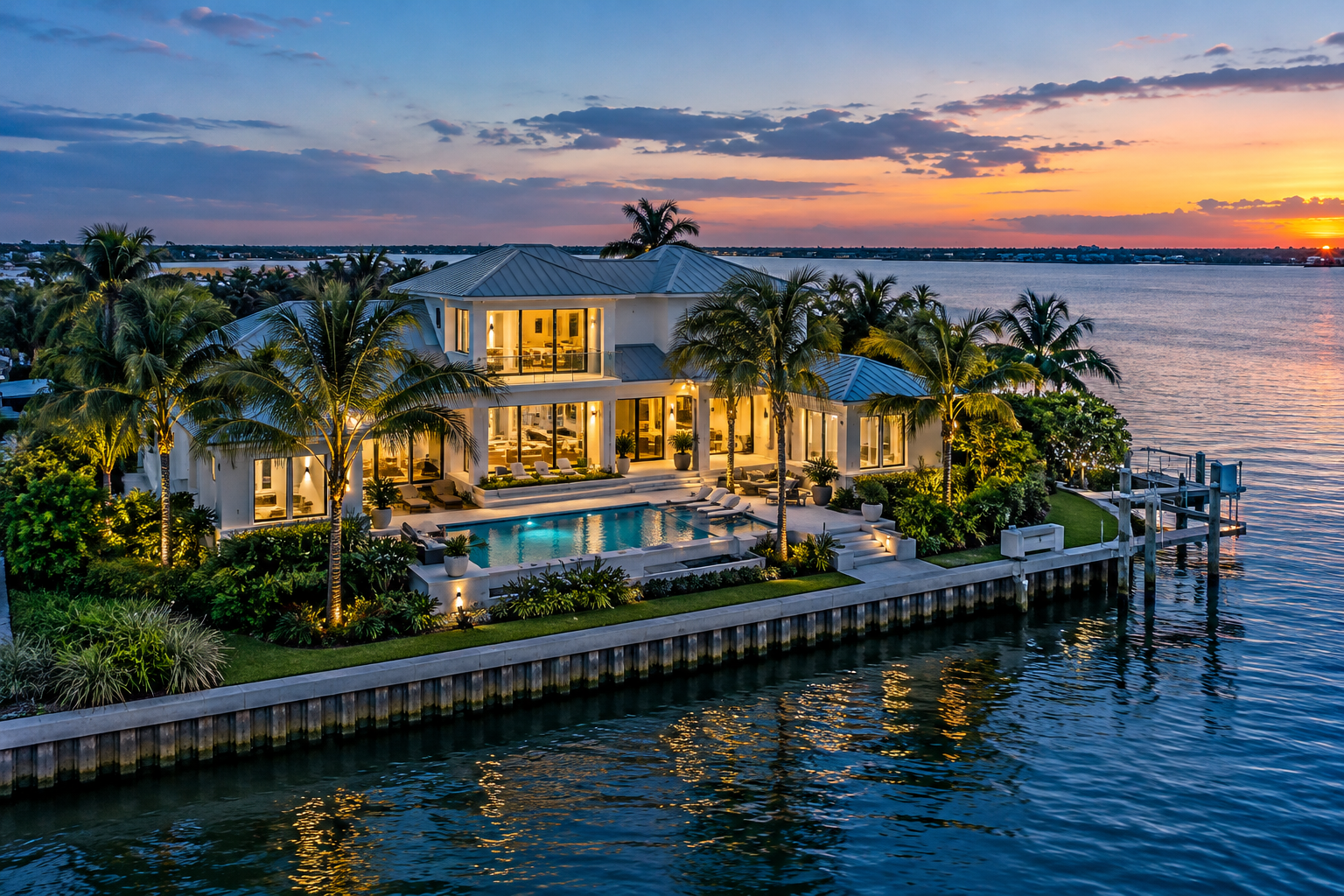
On Vero Beach‘s riverfront and barrier island, the smartest luxury purchase is often decided by inches, not square footage: first-floor elevation relative to AE and X flood zones, dock height over the Indian River Lagoon, and how well a home’s exterior can handle salt spray from the Atlantic. Buyers in 32963 often fall in love with the view first, but the long-term value is usually tied to a quieter set of details—engineering, permitting, corrosion resistance, and whether the property was designed to live comfortably with high tides instead of fighting them.
First-Floor Elevation Is the Hidden Price Driver on Riverfront and Oceanfront Homes
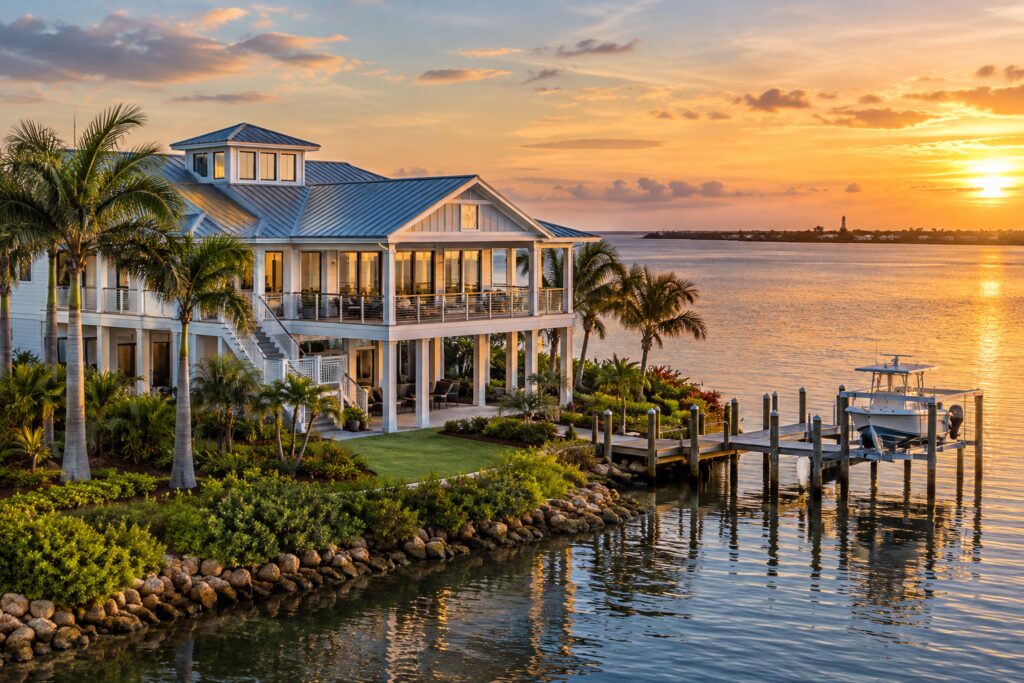
For buyers comparing Riverfront Estates, the first question should not be the size of the lanai; it should be the relationship between finished floor elevation, the base flood elevation, and the home’s actual utility layout. In Indian River County, an older home in an AE zone may appear to offer the same waterfront experience as a newer X-zone property, but the insurance profile, flood mitigation cost, and future renovation flexibility can be completely different. A home built with the living level raised above expected storm surge, with HVAC, electrical panels, and finished storage placed strategically, often performs better over time than a lower-slung estate that depends on expensive post-storm remediation. Buyers should insist on a current elevation certificate, compare that certificate to the FEMA map panel and local survey data, and verify whether the property’s design includes enough freeboard to reduce risk when tides, king tides, and seasonal storm events stack together. That distinction matters just as much on lagoon-front lots as it does on the Atlantic side, because drainage, setbacks, and access to the water can affect both resale and insurability.
Dock Permitting, Marine Hardware, and Salt-Resistant Finishes Separate a True Coastal Asset from a Pretty Listing
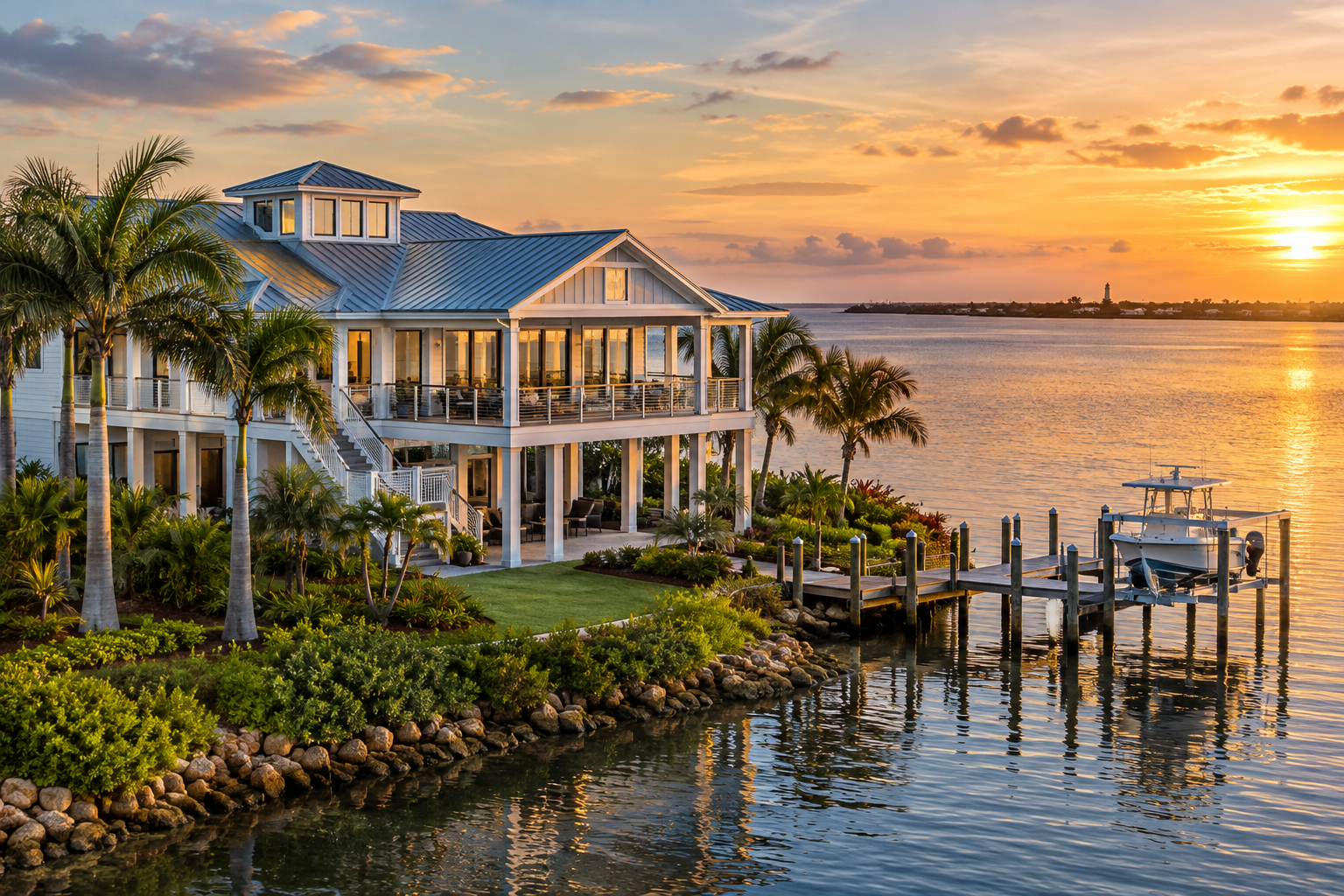
The waterfront premium on the lagoon is not just about having a dock; it is about whether the dock, lift, seawall, and access path were built and maintained under the right approvals. Indian River County regulations, riparian rights, and state and federal review can influence whether a dock can be rebuilt, extended, or modified, especially where mangroves, seagrass protection, or navigation concerns come into play. Buyers evaluating Luxury Real Estate should review permit history before they fall in love with a boat lift or a wide view. The same applies to the building envelope: 316 stainless fasteners, marine-grade aluminum, impact-rated glazing, fiber-cement siding, high-performance stucco systems, and corrosion-resistant roofing components matter more within reach of salt air than most sellers admit. On the barrier island, the right exterior spec can slow visible wear and reduce maintenance costs; on the mainland, those same details still matter when a property sits close to the lagoon and receives steady wind-driven moisture. A luxury home that looks immaculate after a few seasons on the coast is usually one that was planned for the climate, not merely decorated for it.
4-Point Due-Diligence Checklist for Coastal Luxury Buyers
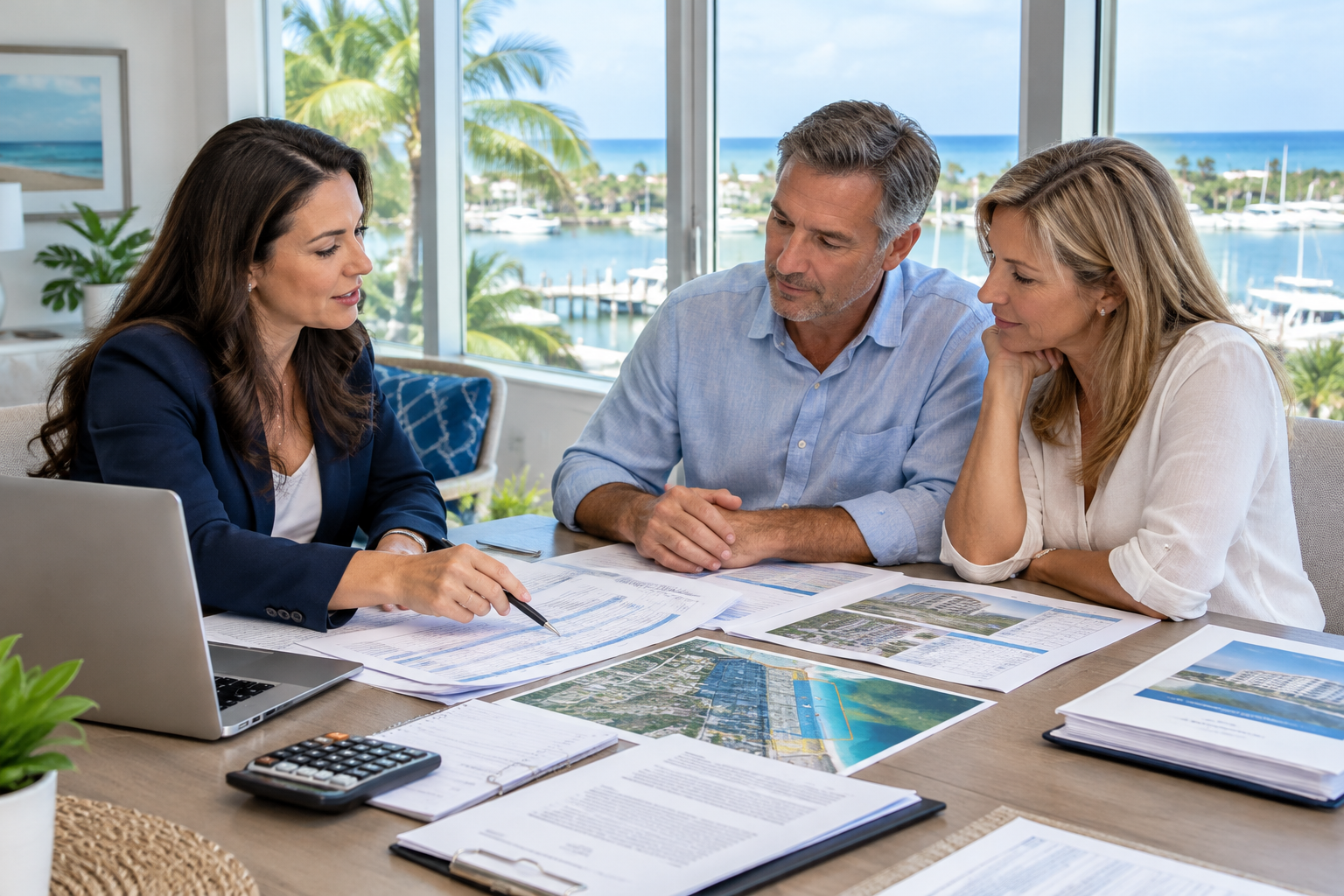
- Verify the elevation package. Review the elevation certificate, FEMA flood zone, finished floor height, and the location of mechanical systems so you understand both insurance exposure and practical storm resilience.
- Audit the waterfront infrastructure. Confirm seawall or bulkhead condition, dock permits, lift approvals, and any evidence of prior repairs or nonconforming work that could slow future modifications.
- Inspect the exterior envelope. Check impact windows, roof condition, attachment systems, metal corrosion, stucco or siding performance, and any salt-related wear on railings, balconies, and fasteners.
- Review HOA and condo obligations. For association properties, examine milestone inspections, reserve studies, structural integrity reserve requirements, and any special assessments that could affect total ownership cost.
Final Considerations for Vero Beach Buyers
The best oceanfront and riverfront homes in Vero Beach are not simply beautiful addresses; they are coastal systems built to function in a demanding environment. A serious buyer should treat elevation, dock compliance, material selection, insurance exposure, and association health as part of the property itself, because each one influences value, livability, and exit strategy. Whether the home sits on the Indian River Lagoon, along the Atlantic barrier island, or on the mainland with strong water access, the right purchase is the one that balances view, structure, and regulatory reality. For tailored guidance and experienced local representation, connect with MacEvoy Real Estate Co. to protect your coastal investment.
FAQ
What matters more for a Vero Beach waterfront purchase: flood zone or dock access?
Both matter, but for different reasons. Flood zone drives insurance and elevation strategy, while dock access affects daily use, permitting flexibility, and long-term waterfront value. A property can have excellent water access and still be expensive to insure if it sits in AE with limited freeboard.
Can a mainland luxury home still face coastal construction issues?
Yes. Many mainland properties in Indian River County still deal with elevated groundwater, wind exposure, drainage constraints, and association standards that affect exterior materials and renovation plans. A home does not need to be on the barrier island to require coastal-grade construction decisions.