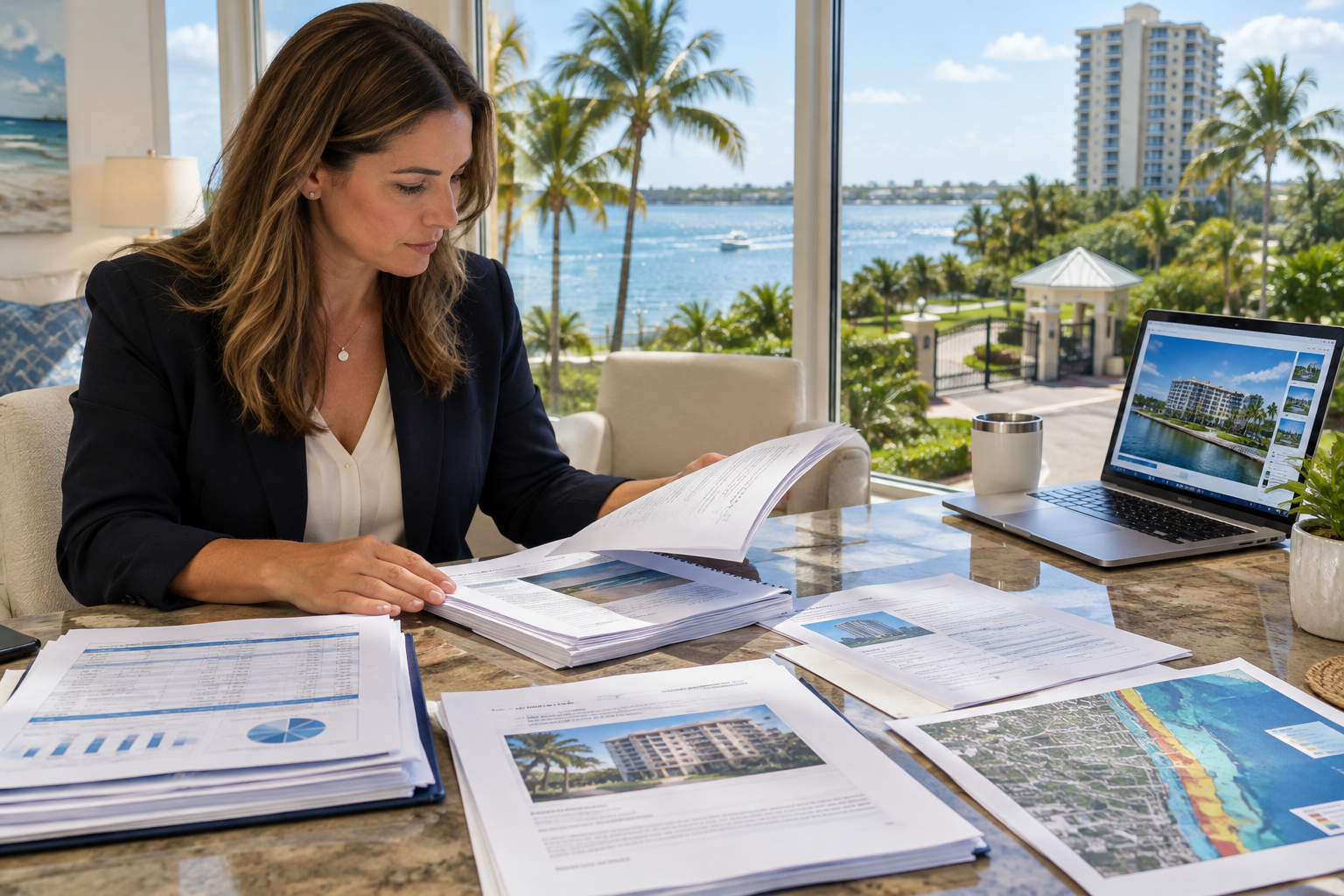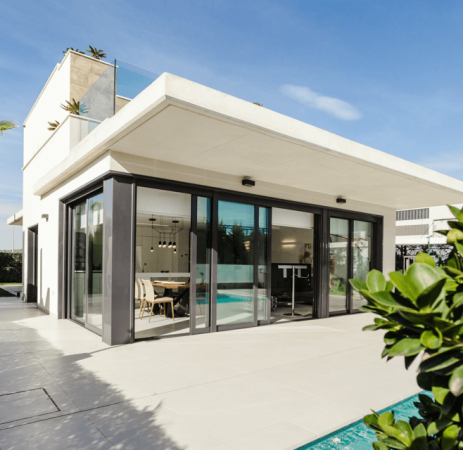

On Vero Beach‘s barrier island, the difference between a profitable seasonal rental and a compliance headache is often not the nightly rate—it is whether the owner can reset the unit fast enough, collect the right taxes, and satisfy the condo board before the next guest walks in. In 32963, that means treating registration, tax remittance, and turnover logistics as one operating system, not three separate tasks, especially when the property sits in an AE flood zone, faces association minimum-lease rules, or depends on elevator access and vendor windows inside a luxury tower.
Registration, TDT, and the booking calendar must line up
Before advertising a stay, verify the property’s local jurisdiction and any required registration or business tax receipt process in the City of Vero Beach, another municipality, or unincorporated Indian River County, because the approval path can change from one address to the next. The practical sequence is straightforward: confirm zoning, check for any local short-term rental registration mandate, obtain the correct business tax receipt if required, and register for tourist development tax collection with the Florida Department of Revenue. Owners who rely only on a platform dashboard can miss deposits, exemptions, or split tax treatments, which is why Tourist Tax and Seasonal Rentals should be managed from the owner’s ledger, not the booking app. On a barrier island condo, the association’s minimum lease term can be more restrictive than the county rules, so a 30-day minimum building can still eliminate the weekend-booking model that looks attractive on paper.
Turnover logistics drive gross yield on 32963
Luxury vacation guests are paying for certainty: clean arrival, working air conditioning, beach gear, and no surprises from storm-related maintenance. That certainty depends on a turnover calendar that accounts for same-day departures, elevator reservation times, laundry capacity, inspection after salt-air wear, and vendor access through HOA-controlled gates. The salt air off the Atlantic and the Indian River Lagoon accelerates wear on balcony furniture, door hardware, and HVAC components, so a true turnkey property needs scheduled upkeep, not just a cleaner between bookings. In AE zones, a heavy rain event can slow beach access, parking, or exterior work; in X-zone mainland communities, storage and service access may be simpler, but guest expectations still rise if the unit is marketed as turnkey. Successful owners use a fixed turnover checklist for linens, HVAC filters, balcony furniture, Wi-Fi, appliance testing, and inventory counts, then build a buffer for late checkouts and contractor delays. Properties that master these details usually outperform units that advertise a higher nightly rate but lose reviews over one missed detail.
Practical Seasonal and Vacation Rental Due-Diligence Checklist
- Confirm the property’s jurisdiction, HOA or condo minimum lease term, and any required local registration before pricing the unit as a short-term rental.
- Set up Florida Department of Revenue tourist tax filing, monthly reconciliation, and proof of remittance for every booking channel.
- Build a turnover plan that covers cleaning, linen replacement, maintenance response, elevator or gate access, and storm-season backup vendors.
- Stress-test the insurance, flood zone, and access profile: AE versus X, garage or storage limitations, and how quickly the unit can recover after a weather event or HOA maintenance project.
Final Considerations for Vero Beach Buyers
In Vero Beach, the best seasonal rental purchases are rarely the loudest listings; they are the properties whose legal framework, tax workflow, and turnover plan already fit the building and the beach. That is especially true on the 32963 barrier island, where luxury condos can deliver strong seasonal demand but also enforce strict minimums, vendor rules, and storm-readiness expectations, while mainland homes may offer easier operations but different flood, storage, and insurance dynamics. Buyers who underwrite the property around real operating friction—not just projected occupancy—are far more likely to protect margins and keep reviews strong. For tailored guidance and experienced local representation, connect with MacEvoy Real Estate Co. to protect your coastal investment.
FAQ
Do I need to collect tourist development tax on every short stay?
Usually yes, if the rental is taxable and the stay falls within the applicable short-term rental rules. Register with the Florida Department of Revenue, confirm which taxes each platform collects, and keep a monthly reconciliation so your records match your bank deposits.
Can a condo with a 30-day minimum still work as a seasonal rental?
Yes, but the strategy changes. A 30-day minimum favors monthly winter tenants, traveling professionals, and longer family stays—not weekend traffic. The return depends on lease compliance, turnover costs, and how well the unit is priced for the season.