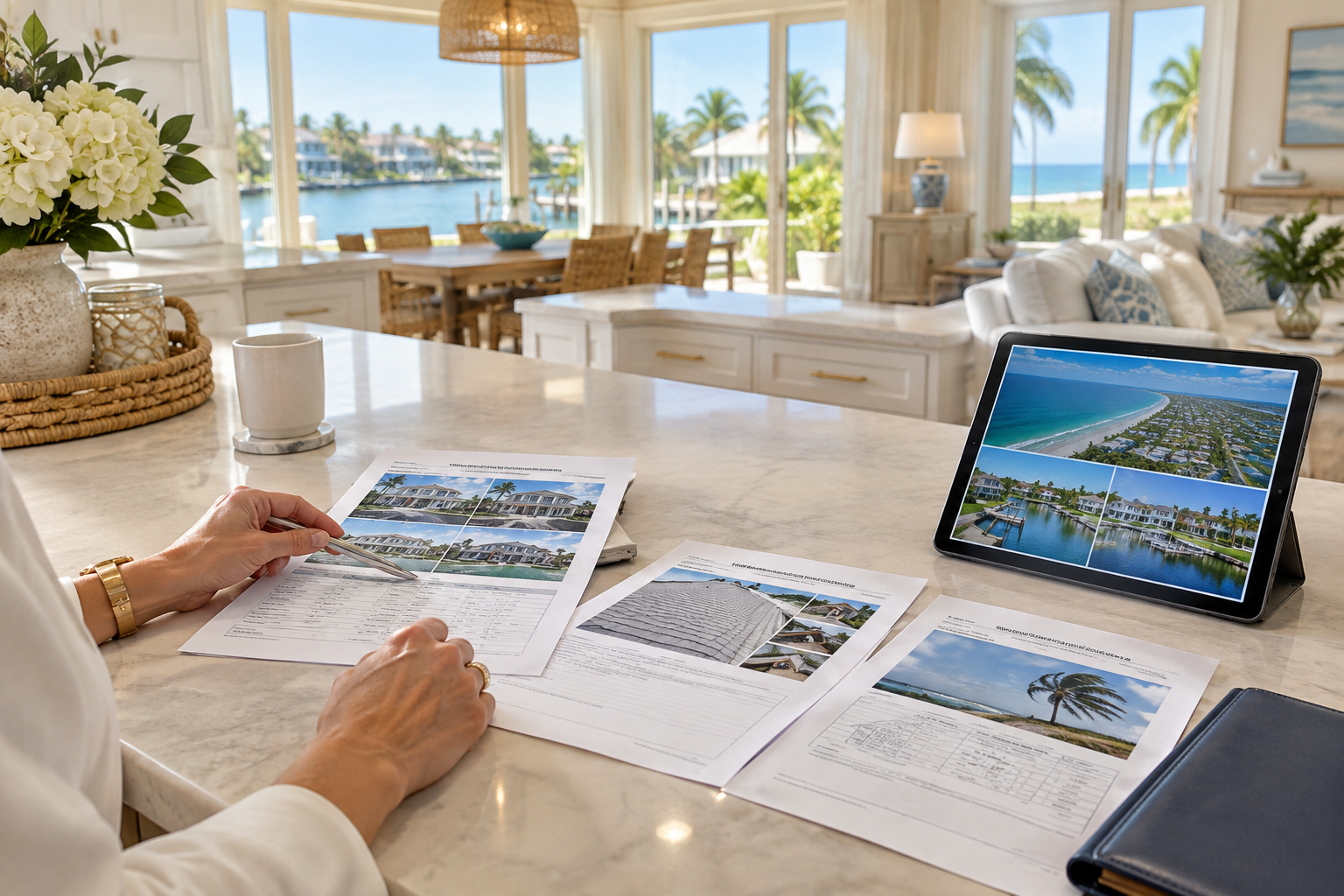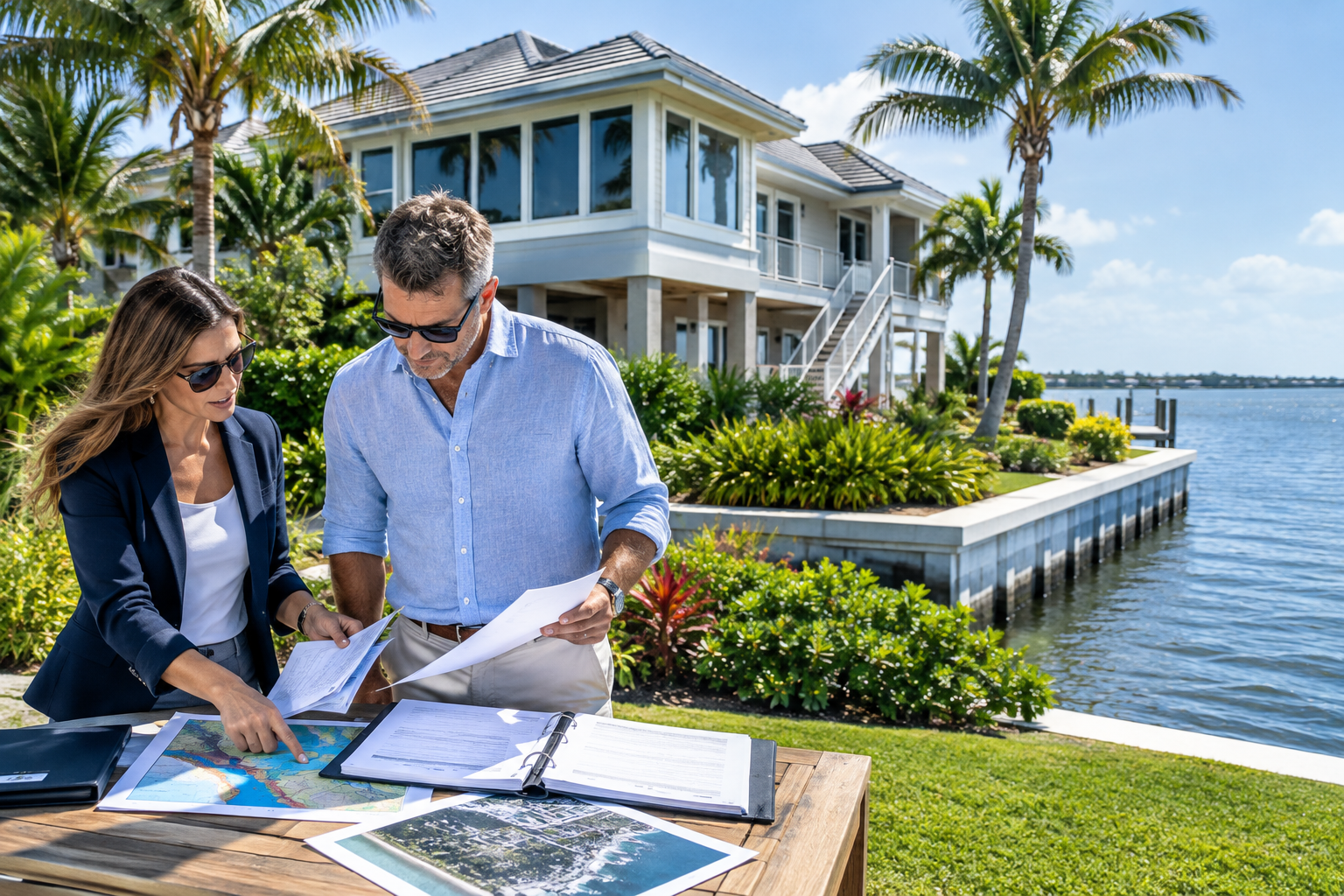

Annual lease renewals on Vero Beach barrier-island homes turn complicated fast when the property sits in a flood zone, an HOA governs the house, and the owner wants to adjust rent for rising insurance, maintenance, and pet wear without creating a Chapter 83 problem. The smartest approach is to build the renewal language around a clear, written escalation formula before the tenant ever moves in, especially for single-family rentals in the 32963 corridor where coastal exposure, salt air, and association rules can change the economics of a lease long before the term ends.
Write the renewal clause as a fixed rule, not a moving target
Florida does not cap rent on a privately owned residential lease, but the numbers in the lease still need to be precise. On an annual or long-term agreement, the renewal clause should state exactly when the landlord may offer a new term, how much notice will be given, and whether the increase is a flat dollar amount, a percentage, or a formula tied to documented cost changes. In Indian River County, that matters most on the barrier island, where a lease can quietly become unprofitable if the owner assumes insurance, pool service, pest control, or landscaping will stay flat. A clean renewal clause avoids midterm surprises and keeps the negotiation at the expiration point instead of turning it into a dispute over unilateral changes.
For owners who want a tighter read on Landlord Tenant Law and the timing of Lease Renewal Clauses, the safest structure is a written renewal window with one stated escalation method. If the lease says the landlord may revise rent at renewal based on market conditions, the owner still needs to provide the new terms before the old lease expires and avoid mixing those terms into unrelated charges. That means no surprise add-ons for flood insurance, HOA paperwork, or seasonal demand unless the lease expressly allows them. A well-drafted clause should also make clear that any pet-related rent or fee is separate from ordinary wear-and-tear charges and must be handled through the pet addendum, not buried inside the renewal letter.
Handle the security deposit with coastal precision, including interest disclosure and pet damage documentation
Florida’s security deposit rules are strict enough that a casual accounting method can create an avoidable claim. Under Chapter 83, the landlord must hold the deposit in a permitted account, give the tenant the required written notice about where the money is held and whether it is interest-bearing, and follow the statutory deadlines if a claim will be made after move-out. If the owner plans to impose a claim, the notice must go out within the statutory window, and the tenant must receive a chance to object. For barrier-island rentals, the biggest mistake is treating salt-related deterioration, screened-lanai wear, or HVAC strain as automatic tenant damage. Those issues often belong in a maintenance file, not in a deposit deduction list.
Pet addenda deserve the same discipline. A single-family home in Vero Beach can certainly allow pets, but the lease should spell out breed, number, weight, yard cleanup, scratch protection, odor remediation, and any HOA limitation that applies to the property. Owners must also distinguish ordinary pet wear from a true damage claim, and they cannot charge a pet fee or deposit for a service animal or assistance animal. The cleanest process is to document the property before move-in, photograph the floors, baseboards, screens, and doors, and then repeat that inspection at move-out. That record is far more valuable than an argument over whether the tenant caused the issue or the coastal environment did.
For owners looking to keep the paperwork aligned with Security Deposit handling, the best practice is to separate three buckets from day one: normal coastal aging, chargeable tenant damage, and association-driven restrictions. If the home is subject to HOA rules, the lease should say the tenant must comply with them, but the landlord still remains responsible for the deposit accounting and statutory notice requirements. The more specific the addendum, the less likely the owner is to lose leverage when the tenant moves out.
4-point annual lease and long-term rental due-diligence checklist
- Verify the property’s flood zone, insurance exposure, and association restrictions before setting the renewal clause, especially for barrier-island homes where AE and X zones can affect risk and cost.
- Confirm that the lease and pet addendum match HOA or condo rules, including pet limits, approval procedures, and any posted community requirements that the tenant must follow.
- Document the property’s condition with date-stamped photos of floors, screens, windows, lanai areas, appliances, and exterior features so security deposit deductions are supportable if needed.
- Set the renewal notice date, rent increase method, and deposit language in writing before move-in so annual extensions do not become negotiation disputes at the end of the term.
Final Considerations for Vero Beach Buyers
For investors and second-home owners who lease coastal property on a yearly or long-term basis, the lease has to do more than collect rent. It should protect the property from association violations, keep the deposit process compliant, and make the renewal math clear enough that both sides know what happens next. On the Vero Beach barrier island, the best leases account for flood exposure, maintenance cycles, pet rules, and local market movement without improvising at renewal time. That is where disciplined drafting and local market knowledge create real value, especially when the home sits in a community where weather, associations, and tenant expectations all intersect.
FAQ
Can a Vero Beach landlord raise rent at the end of an annual lease without adding a new clause?
Yes, if the lease term is ending and the landlord is offering a new agreement, the rent can change for the next term as long as the new terms are delivered before expiration and the lease does not promise automatic renewal at a fixed rate. The key is clarity: the increase should be stated in writing, tied to the renewal period, and consistent with any HOA or property-specific restrictions.
How should pet-related damage be handled on a barrier-island rental?
Pet damage should be addressed through the pet addendum, move-in condition photos, and the normal security deposit claim process, not through vague cleanup language. Service animals and assistance animals are handled differently under fair housing rules, so owners should never treat them like ordinary pets. For tailored guidance and experienced local representation, connect with MacEvoy Real Estate Co. to protect your coastal investment.