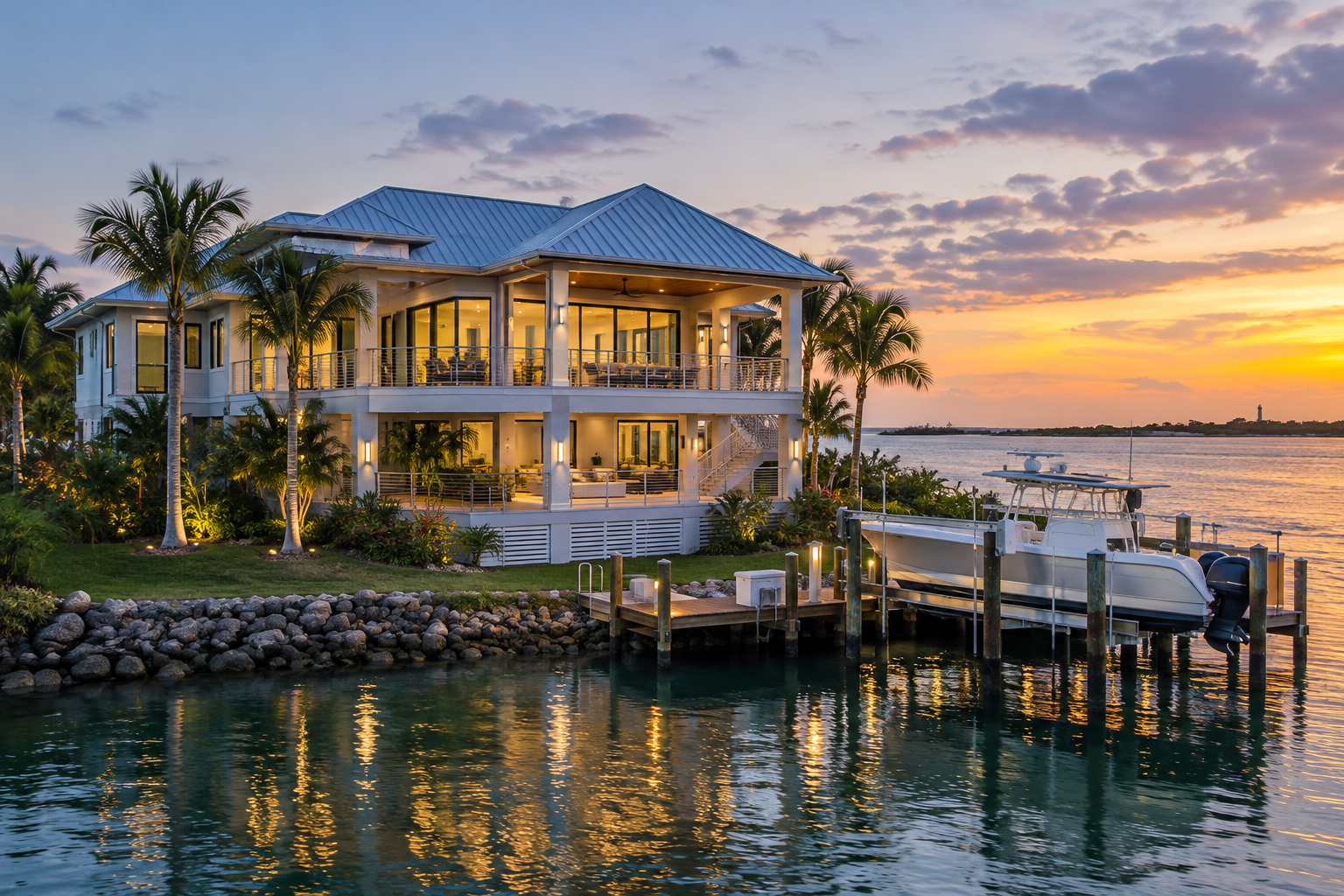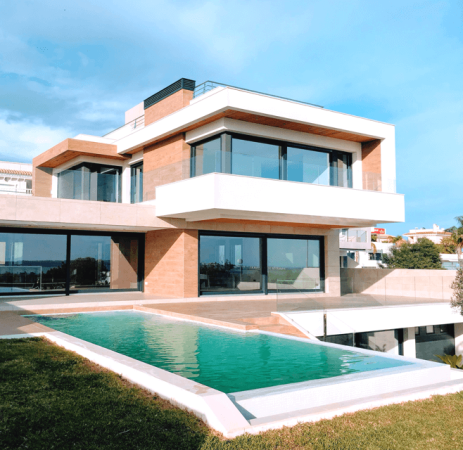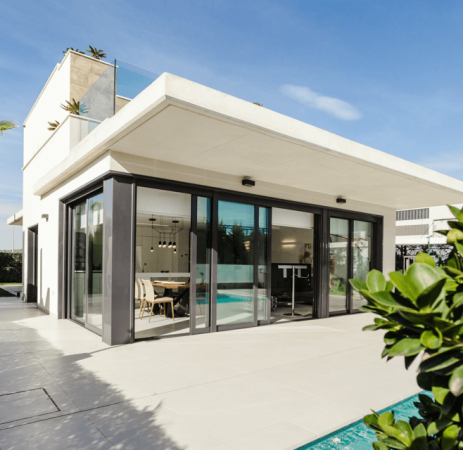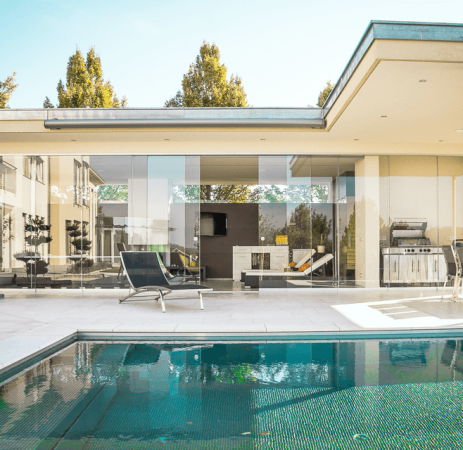
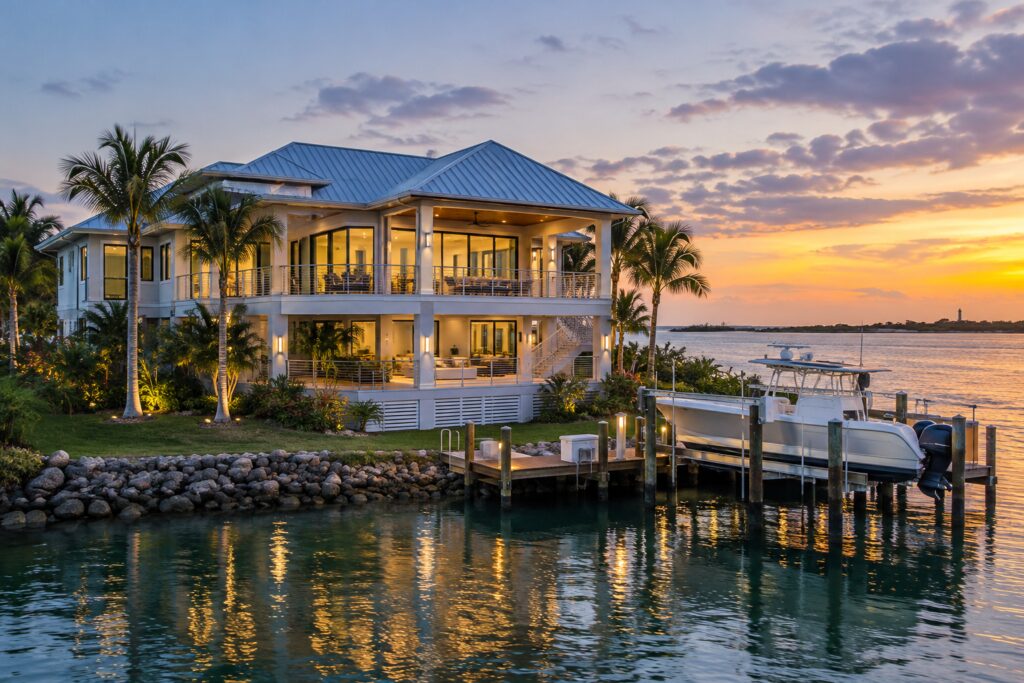
In Vero Beach, the difference between a luxury waterfront home that holds value and one that becomes a maintenance burden often comes down to the coastal envelope: the roof edge details, window systems, exterior finishes, elevation decisions, and marine exposure strategy that keep salt, wind, and water from turning a beautiful property into a costly repair cycle. On the barrier island in 32963, the Atlantic side faces direct storm and salt impact, while Indian River Lagoon properties deal with tidal movement, dock exposure, and corrosion from a different angle; mainland communities may avoid surge exposure but still need careful attention to drainage, insurance, and code compliance.
Specifying the Coastal Envelope for Salt, Wind, and Tidal Exposure
Luxury coastal construction in Indian River County is not just about style. It is about choosing materials and assemblies that can survive years of windborne salt, ultraviolet exposure, and moisture intrusion without losing performance. Buyers comparing oceanfront and riverfront homes should pay attention to the details that are easy to miss during a showing: concealed fasteners, corrosion-rated hardware, impact-rated glass, sealed penetrations, and roof systems designed for repeated storm stress. A home that looks refined from the curb can still be underbuilt if its trim, railings, exterior lighting, and balcony components were not selected for a marine environment.
For buyers evaluating Flood Zone AE versus inland X-zone properties, elevation is only one part of the equation. AE homes may require higher premiums, stricter foundation design, and more documentation, while X-zone homes still need to be assessed for drainage patterns, lot grading, and access during heavy rain. On the barrier island, the right question is not simply whether the home is elevated; it is whether the lower structure, mechanical systems, and enclosed spaces were designed to handle periodic water pressure and wet conditions without repeated remediation.
For finishes, the best-performing luxury coastal palette usually includes:
- Marine-grade stainless steel or equally corrosion-resistant hardware
- Powder-coated aluminum railings and frames
- Fiber cement or high-performance stucco systems with proper detailing
- Impact-rated glazing with verified fastening schedules
- Salt-tolerant exterior lighting, vents, and balcony components
- Landscaping that avoids trapping moisture against the structure
These choices matter most on oceanfront lots, but they also matter on riverfront estates where breezes off the lagoon carry salt and humidity into every exposed corner of the property.
Dock, Seawall, and Elevation Workflows That Can Delay Closing
Riverfront buyers often focus on the house first and the waterfront improvements second, but the dock, seawall, and riparian access can make or break the long-term usability of the property. Before you rely on marketing language about private access or deep water, confirm the actual condition and approval status of every marine feature. In Indian River County, dock work may involve local review, state environmental oversight, and site-specific restrictions tied to wetlands, mangroves, navigation, and aquatic habitat. Buyers should not assume a dock can be expanded, relocated, or rebuilt just because it exists today.
That is where a Dock Permitting review becomes essential. A legitimate due-diligence process should confirm whether the dock was permitted properly, whether repairs are grandfathered or newly authorized, and whether any planned lift, canopy, or boathouse addition will require new approvals. On some sites, setbacks and resource protections can limit what is possible even when the water frontage looks generous from the listing photos. If the property includes a seawall, ask for the age, maintenance history, and any records of cap replacement, tieback work, or engineering inspections. A decorative wall with hidden deterioration can become a major negotiation point.
Elevation requirements deserve the same discipline. New construction and substantial renovation in flood-prone areas must align with local code, FEMA mapping, and the property’s actual base flood elevation. That matters for both oceanfront estates and lagoon-facing homes. On the mainland, a property may sit in a calmer zone, but if the lot drains poorly or the slab elevation is inconsistent with neighboring homes, the buyer can still inherit water intrusion issues. For condos on the barrier island, added layers of review apply: association reserves, milestone inspection outcomes, structural integrity reserve study data, and any special assessments tied to concrete restoration, roof replacement, or balcony waterproofing. In a luxury market, those costs can be material.
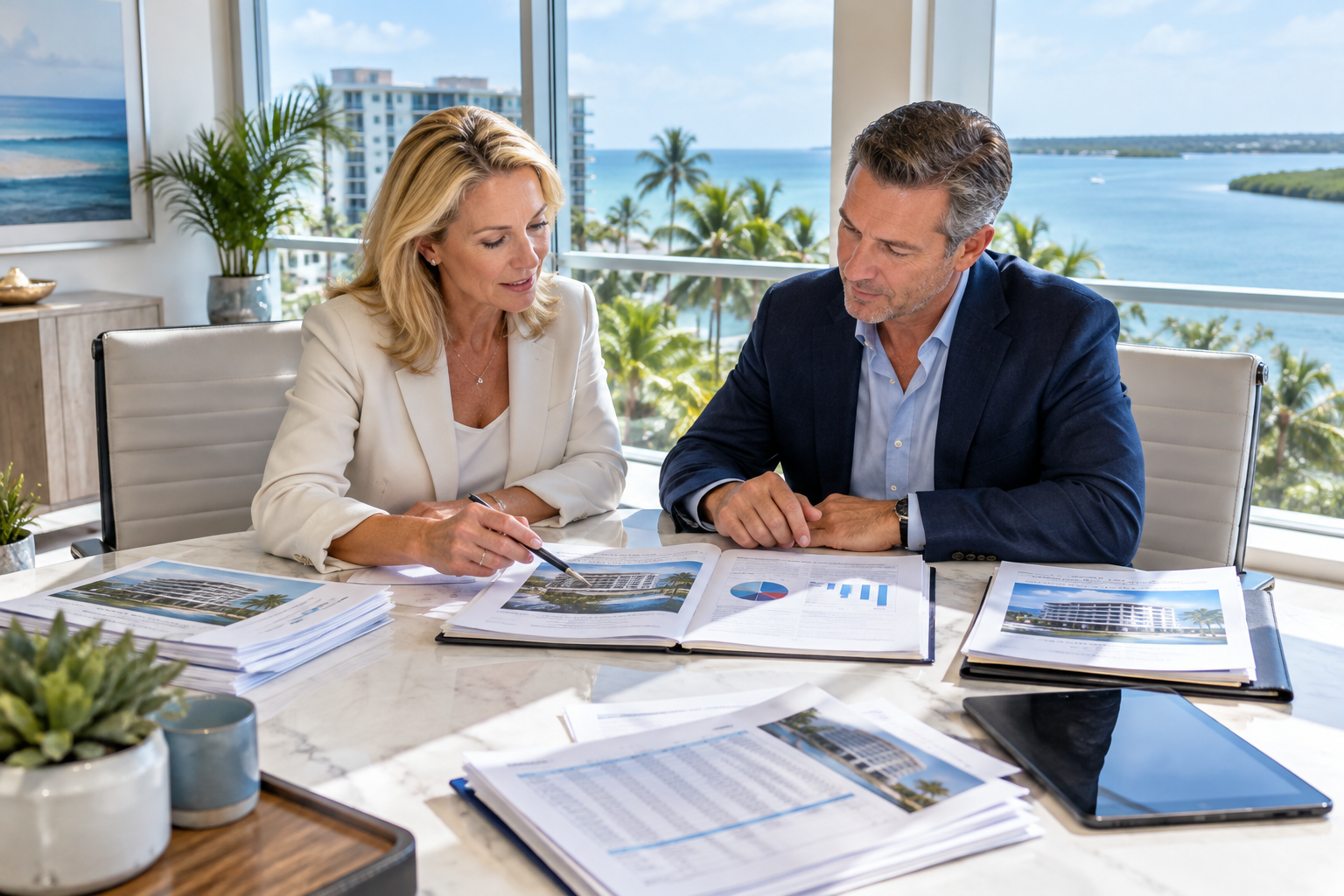
4-Point Oceanfront and Riverfront Due-Diligence Checklist
- Verify the flood profile. Review the flood zone, elevation certificate, first-floor height, insurance quotes, and any history of stormwater intrusion or elevation-related nonconformity.
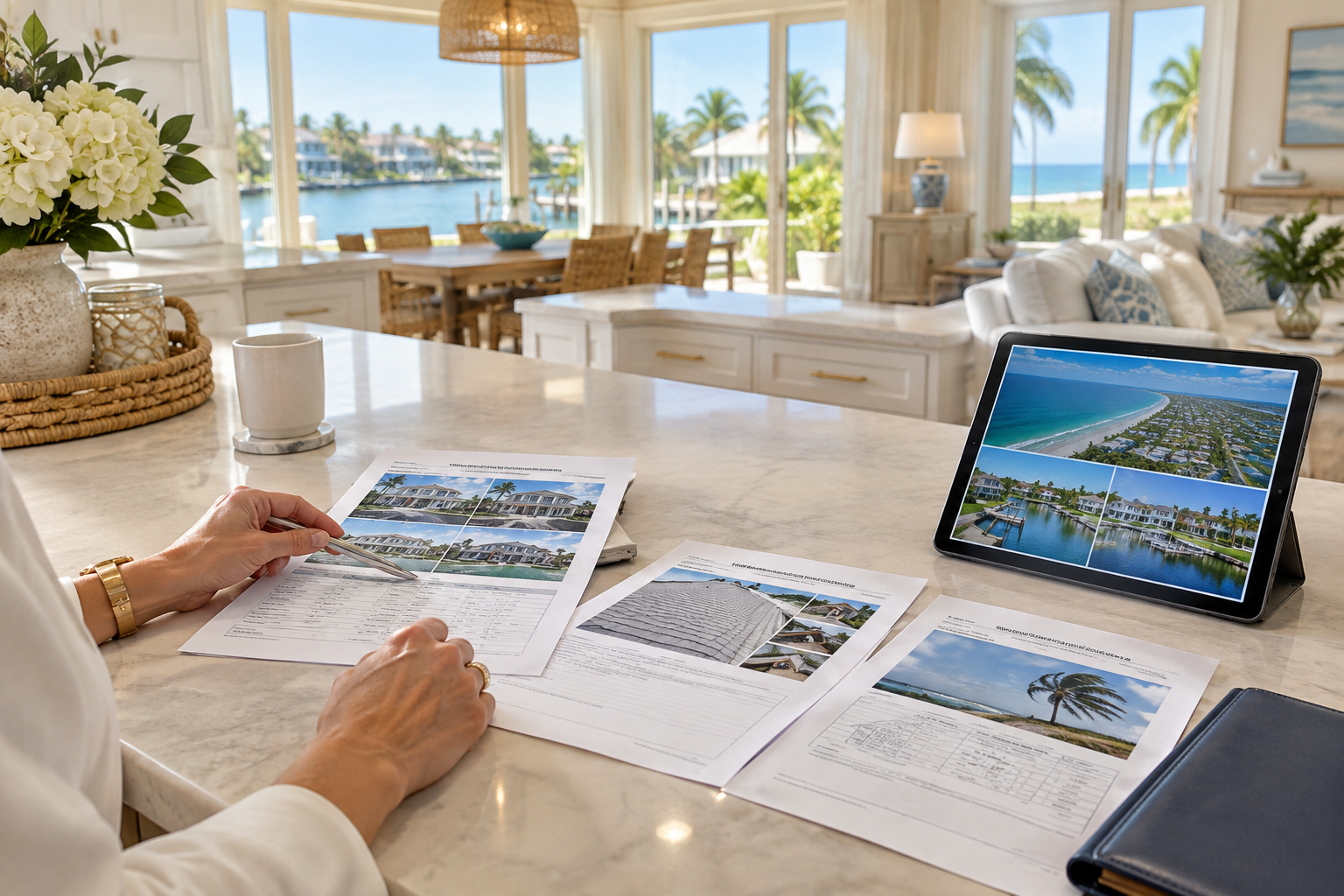
- Inspect the coastal envelope. Evaluate the roof, windows, doors, fasteners, railings, exterior coatings, and any signs of corrosion, seal failure, or previous salt damage.
- Confirm waterfront improvements. Check dock permits, seawall documentation, bulkhead condition, lift approvals, and any environmental restrictions that could limit future changes.
- Review association and building records. For condos and HOA properties, request reserves, milestone inspections, special assessments, minutes, insurance coverage, and major repair plans before making an offer.
Final Considerations for Vero Beach Buyers
Luxury coastal real estate in Vero Beach rewards buyers who look beyond view corridors and focus on durability, documentation, and jurisdiction-specific risk. The strongest properties on the Atlantic barrier island and along the Indian River Lagoon are the ones where elevation, materials, permitting, and association governance all work together. That is especially true in neighborhoods where salt exposure, flood mapping, and long-term maintenance are not abstract concerns but daily realities. For tailored guidance and experienced local representation, connect with MacEvoy Real Estate Co. to protect your coastal investment.
FAQ
How do AE and X flood zones affect luxury home purchases in Vero Beach?
AE zones usually carry greater elevation, construction, and insurance scrutiny than X zones, especially on the barrier island or near the lagoon. X-zone homes are not risk-free, so buyers should still review drainage, finished floor height, and the property’s storm history before closing.
What should a buyer verify before closing on a riverfront home with a private dock?
Confirm that the dock is properly permitted, the seawall is in sound condition, and any planned lifts or expansions are legally feasible. You should also review maintenance records, survey setbacks, and any environmental limits that could affect future repairs or replacement.