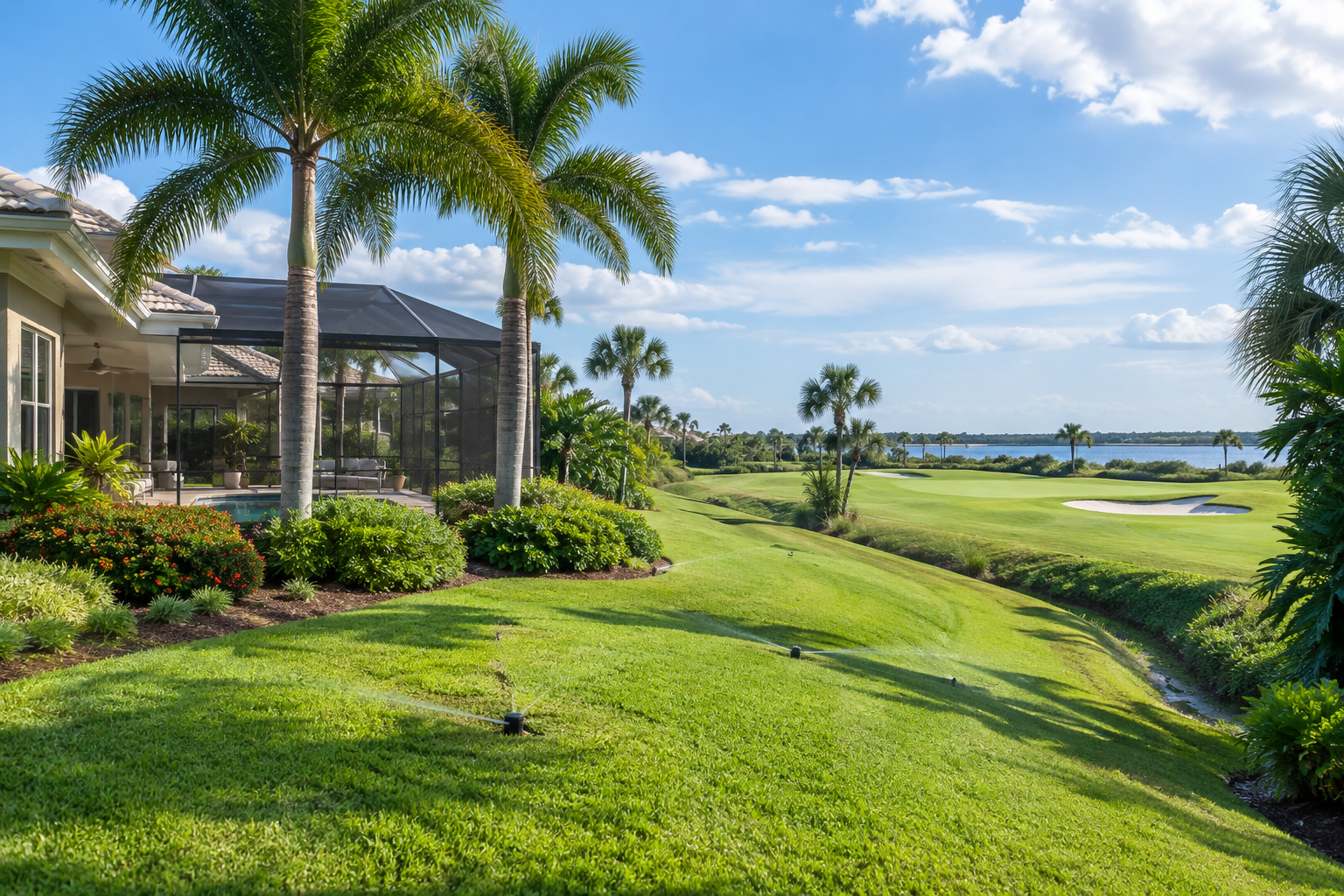
A fairway view in Vero Beach can hide three separate cost layers: club obligations, course-side maintenance exposure, and the upkeep rules written into the HOA or master association documents. In Indian River County, that matters just as much on the 32963 barrier island as it does in mainland golf communities, because a home that looks comparable on paper may carry a very different mix of membership dues, irrigation assessments, setback limits, flood insurance, and liability tied to living along a private course.
Start With the Membership Structure, Not the Fairway View
The biggest pricing mistake in Equity Memberships and Country Club Real Estate is assuming the home purchase automatically includes the same club access as the neighbor across the fairway. In Vero Beach, one community may require an equity buy-in with voting rights and a resale transfer formula, while another uses a non-equity tier with no ownership stake but a lower upfront entry. Some clubs make initiation fees mandatory for all owners, some allow optional golf or social membership, and some charge different transfer fees depending on whether the home is sold by an owner, an estate, or a corporate entity. Buyers should also ask whether dues include tee time priority, range access, dining minimums, capital reserve contributions, and whether membership can be assigned at closing or must be re-approved by the club board. A fairway-front home with a lower list price can become the more expensive asset if the club structure adds a large initiation fee, recurring annual dues, or a nonrefundable transfer charge that never appears in the MLS remarks.
Course-Side Maintenance, Setbacks, and Liability Are Written Into the Land
Fairway frontage in Indian River County is not just a view corridor; it is a maintenance zone with real physical consequences. Setbacks, easements, and builder limitations can determine how close a pool screen, patio, or addition may sit to the course, and those rules can be stricter than a buyer expects once the survey is reviewed. Errant golf ball exposure also deserves hard questions: the presence or absence of netting, mature tree buffers, reinforced glass, and the orientation of lanais and primary bedrooms can all influence long-term comfort and repair risk. Some communities assign responsibility for reclaimed water, pump stations, pond banks, culvert cleaning, and stormwater conveyance to the master association, while others spread those costs through special assessments that surface only after heavy summer rain or a hurricane season drainage failure. On the barrier island, salt air can accelerate wear on irrigation components and exterior finishes; on mainland communities, drainage design and outfall capacity often matter more than ocean exposure. Flood mapping still matters in both places, especially when a property shifts between AE and X zones depending on elevation, fill, and the location of nearby swales. If the neighborhood includes stacked villas or condominium buildings, ask for milestone inspection records, reserve studies, and any post-inspection repair plans before you commit, because a golf community can still carry condo-style structural obligations.
Practical Buyer Due-Diligence Checklist
- Request the club’s governing documents, fee schedule, transfer policy, and membership application rules before making an offer.
- Review the survey, title commitment, recorded easements, and HOA standards to confirm setbacks, course buffers, and any restrictions on additions or screens.
- Verify the flood zone, elevation, insurance cost, and whether the home sits in AE or X; then ask how the answer affects financing and annual carrying costs.
- Ask specifically about irrigation, stormwater, special assessments, reserve funding, and milestone inspection reports if the property includes condo or villa components.
Final Considerations for Vero Beach Buyers
A Vero Beach golf community purchase should be evaluated as a property-plus-membership decision, not as a view purchase alone. The right home on the wrong club structure can strain a budget, and the right membership in the wrong maintenance district can create surprise assessments after a storm or system failure. Buyers who compare the dues, transfer terms, drainage obligations, setback rules, flood exposure, and inspection history before they write an offer are in a stronger position to protect both resale value and day-to-day enjoyment in Indian River County.
FAQ
What is the difference between an equity and a non-equity club in Vero Beach?
An equity club usually means members have an ownership interest, voting rights, and a share in club governance, while a non-equity club is typically operated by the club or a third party without member ownership. The cost structure is different, so buyers should confirm initiation fees, annual dues, transfer rules, and any required capital contributions before closing.
How can I tell whether a fairway lot has extra maintenance or liability exposure?
Check the survey, HOA documents, drainage map, and any recorded easements that affect the lot’s relationship to the course. Then confirm whether the master association handles irrigation, pond maintenance, and stormwater systems, and ask about errant ball exposure, setback limitations, and insurance requirements tied to the property’s location.
For tailored guidance and experienced local representation, connect with MacEvoy Real Estate Co. to protect your coastal investment.