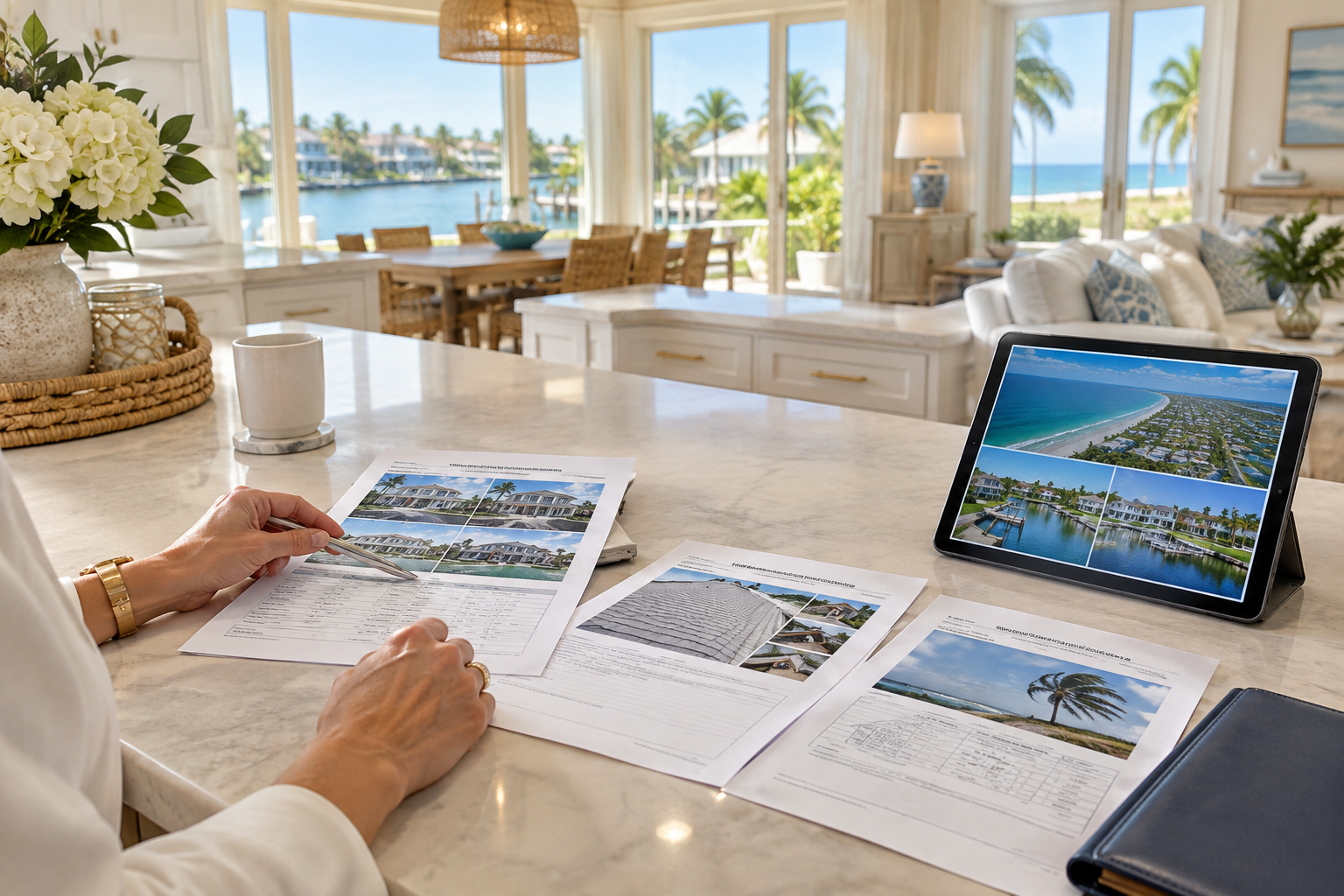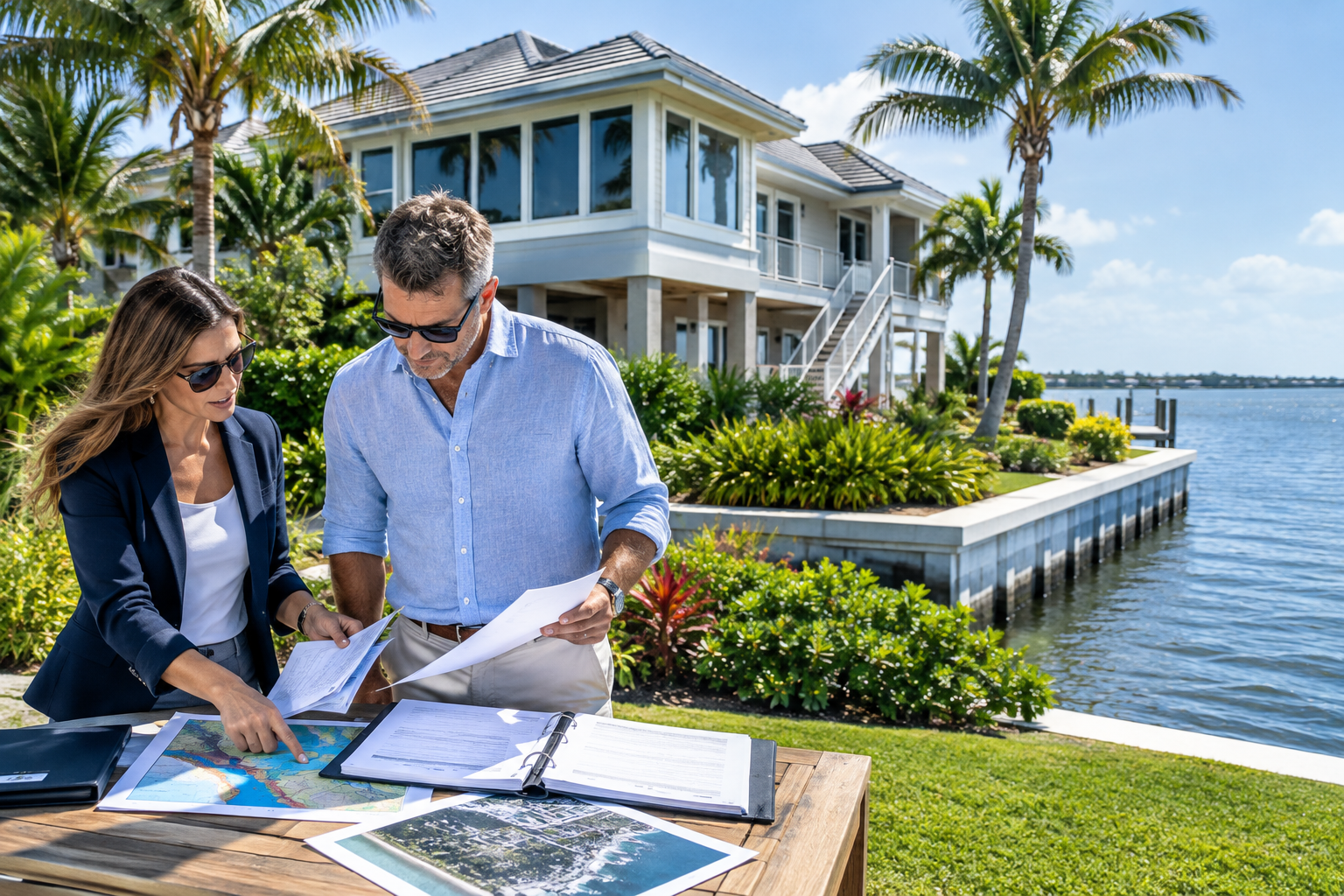
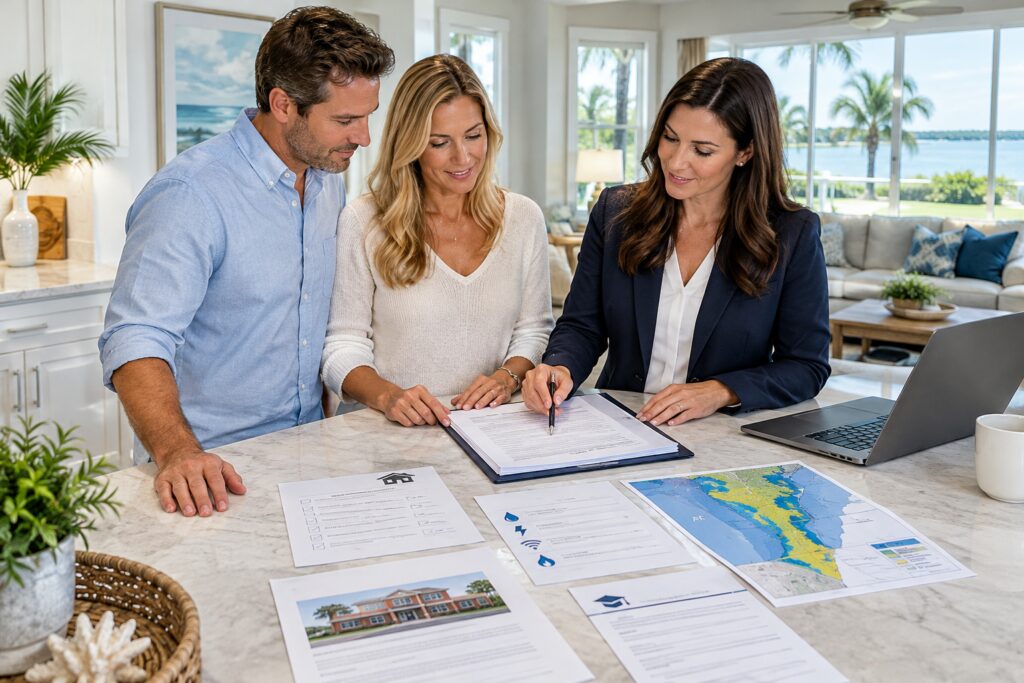
Relocating to Vero Beach becomes much easier when buyers treat Florida domicile, utility activation, and school enrollment as one timeline instead of three separate errands, because the wrong sequence can delay a homestead filing, leave a closing-day surprise on a county water account, or push you into a last-minute choice between a 32963 barrier island address and a mainland neighborhood that better fits flood insurance, commute patterns, and school plans.
Florida Domicile and the Homestead Clock Start Before You Unpack
The first tax question for a relocating buyer is not whether the house looks right; it is whether the property will truly become your primary residence. Indian River County follows Florida’s homestead rules, which means the ownership record, your intent to reside, and your paperwork must line up. A buyer who wants the Save Our Homes cap and the homestead exemption should move quickly on Florida Domicile evidence: update the driver license, register vehicles, change voter registration, and, when appropriate, file a Declaration of Domicile. The homestead application is generally due by March 1 for the tax year, and the property must be your permanent residence, not a seasonal stopover or an investment hold. Once approved, Save Our Homes limits how fast the assessed value can rise on a homesteaded property, which is a meaningful advantage in a market where values can move faster than the tax bill newcomers expect. If you are buying from out of state, keep in mind that the county will look for consistency between your deed, your utilities, your mailing address, and the rest of your residency trail.
That consistency matters even more for buyers who split time between states. A winter home on the Indian River Lagoon or near the beach may feel like a full-time move, but the appraisal district and the tax office will not read your intentions the way a lifestyle brochure does. If you are timing your closing near year-end, ask how the deed record date, occupancy date, and homestead filing deadline fit together. A clean paper trail can be the difference between getting the exemption on schedule and waiting another tax cycle.
Utility Setup, Flood Exposure, and Neighborhood Choice Change the Real Cost of Ownership
In Vero Beach, the monthly cost of living is shaped by more than mortgage principal and interest. Electricity is commonly through FPL, but water, sewer, irrigation, and septic conditions can vary sharply from one parcel to the next. Some mainland homes are tied into county or municipal utility systems, while others rely on wells, septic, or hybrid service arrangements that require inspections before closing. Buyers should verify not only the provider name, but also meter status, tap fees, sewer availability, and any outstanding utility balances tied to the property. That is especially important for buyers who want a smooth transition from another state and do not want a utility setup issue to slow move-in day.
Location also changes your risk profile. The 32963 barrier island offers proximity to the Atlantic, the beaches, and certain waterfront lifestyle benefits, but it can also bring higher insurance costs, tighter HOA or condo rules, and a more demanding evacuation plan. Mainland communities often provide easier daily access to schools, shopping, medical offices, and county services, with fewer storm-surge concerns and sometimes more forgiving insurance pricing. Flood zone matters here: AE usually signals a higher flood-risk designation and often triggers lender flood insurance requirements, while X is generally viewed as lower risk but never risk-free. An elevation certificate, a wind mitigation inspection, and a real flood quote should be part of the conversation before you finalize an offer. Buyers near the lagoon, canals, or low-lying streets should pay attention to drainage, seawall condition, and any history of standing water after heavy summer rain.
Condo and townhome buyers need a separate level of scrutiny. Florida’s milestone inspection requirements, reserve planning, and potential special assessments can materially affect monthly ownership costs, particularly in older buildings or coastal associations. Ask for the current budget, reserve study, recent board minutes, structural inspection results, and any notices involving concrete, roofs, elevators, balconies, or seawalls. If the property sits inside an HOA, also confirm rental restrictions, pet rules, parking limits, and whether short-term leasing is prohibited. For families focused on public school choice versus private academy transitions, address alone is not the whole story. Indian River County enrollment windows, transportation options, and school assignment rules should be checked early, because a beautiful house in the wrong part of town can complicate the school plan more than most buyers expect. If a private academy is part of the plan, confirm admission timing, tuition, and transportation before closing so the move does not create a gap in placement.
Relocation and Due Diligence Checklist
- Confirm your homestead timeline. Align closing, occupancy, voter registration, driver license updates, and your March 1 filing deadline so your Florida Domicile record supports the homestead exemption.
- Verify every utility before closing. Identify the electric provider, water and sewer source, irrigation setup, septic status, and any outstanding connection or transfer fees tied to the address.
- Compare flood and association risk. Review AE versus X flood zones, request insurance quotes, and read HOA or condo documents for milestones, reserves, rentals, and storm-related assessments.
- Lock in school logistics early. Confirm public school assignment, choice windows, transportation, and private academy deadlines before you assume the address will solve everything automatically.
## Final Considerations for Vero Beach Buyers
The best Vero Beach relocation decisions are made on paperwork, not just on views: establish Florida domicile early, file the homestead exemption on time, verify whether the property relies on FPL, county water, septic, or shared systems, and compare mainland versus 32963 through the lens of flood insurance, HOA control, and school access. Buyers who price those details before they write an offer are the ones most likely to avoid avoidable taxes, utility delays, and post-closing surprises.
FAQ
What establishes Florida domicile after a move to Vero Beach?
Florida domicile is shown through a consistent primary-residence record, not a single form. Update your driver license, vehicle registration, and voter registration, and file the homestead exemption with the county when the home becomes your permanent residence. Keep your mailing address, utility setup, and occupancy timeline aligned.
Should I choose mainland Vero Beach or the 32963 barrier island if insurance and schools are priorities?
Mainland neighborhoods often offer easier school logistics, broader utility choices, and a lower storm-exposure profile, while the barrier island can deliver beach access and waterfront convenience at a higher cost of ownership. The right choice depends on flood zone, insurance quotes, HOA rules, and how your school plan fits the address.
For tailored guidance and experienced local representation, connect with MacEvoy Real Estate Co. to protect your coastal investment.