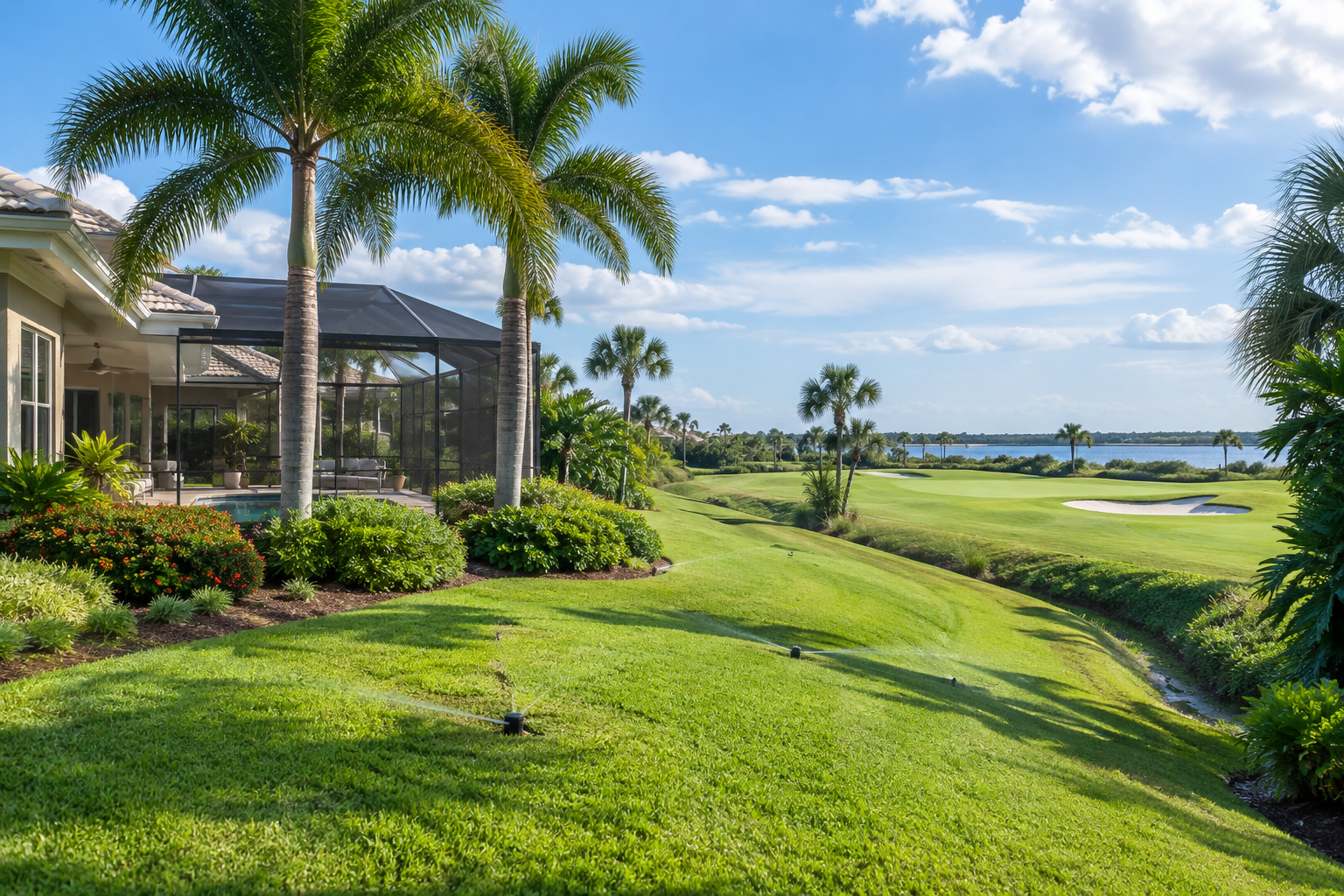

On the 32963 barrier island, a listing that looks identical on paper can behave very differently from a mainland Vero Beach home once buyers factor in flood zone, insurance, roof age, and whether the property sits close to the Indian River Lagoon or the Atlantic. That is why the smartest launch strategy is not simply to price to the comps, but to price to the first seven days of showing activity, with a CMA that separates ocean-adjacent luxury demand from mainland value buyers and adjusts for AE versus X flood exposure, HOA or condo milestone status, and the likelihood that a northeast buyer will shop hard before heading back north.
Build the List Price Around the Right Micro-Comp Set
A disciplined Comparative Market Analysis and a hard-nosed Pricing Strategy should start with one question: which buyers are actually competing for this property? A 32963 canalfront or ocean-side home is priced against a narrower pool that values access, condition, and certainty, while a mainland Vero Beach property often competes more directly on square footage, school access, and overall monthly carrying cost. Those two markets can sit only minutes apart and still respond to different pricing bands.
For sellers, that means ignoring the temptation to average every nearby sale into one number. Match your comp set by flood zone, shoreline orientation, renovation level, and building age. If your property is in AE, or if the roof is nearing the end of its expected life, your pricing should reflect the buyer’s future insurance and inspection risk, not just the sold price of a prettier nearby home in X zone. On older mainland homes, the adjustment may come from renovation deferral or HOA dues; on barrier island homes, the adjustment often comes from insurability, wind mitigation credits, and how quickly a buyer can close before a seasonal flight schedule pulls them out of the market.
When the first two weekends bring strong traffic but weak written interest, treat that as a signal to recalibrate. In Indian River County, a two- to four-percent pricing correction made early is usually more effective than chasing the market after stale days accumulate. Buyers on the island are watching for confidence; mainland buyers are watching for value. Your launch price should speak clearly to both, without trying to please neither.
Use Documentation to Turn Risk Into Negotiation Control
Vero Beach sellers who prepare a complete pre-market file often negotiate from strength because they reduce the buyer’s room to speculate. A roof inspection, wind mitigation report, 4-point inspection, permit history, and, where relevant, an elevation certificate or seawall documentation can change the tone of the conversation before the first offer arrives. Florida disclosure obligations still apply, but organized documentation helps show what is known, what has been repaired, and what may need routine maintenance rather than emergency concern.
For coastal homes, that file matters even more when the property is affected by Pre-Inspection Selling and Roof Disclosure. A buyer comparing a 32963 luxury listing to a mainland option may be willing to pay more for a home that already answers the hard questions: Is the roof insurable? Has the wind mitigation credit been captured? Are there any open permits? For condominiums, milestone inspections and structural reserve discussions can influence buyer confidence just as much as granite or flooring. On HOA properties, clear association documents can prevent last-minute retrades when the lender or insurer asks for details that should have been ready from day one.
Once a listing is exposed to multiple offers, use those documents to negotiate on terms, not just price. Ask for proof of funds or full pre-approval, set a clear offer deadline when showing activity is concentrated, and favor clean contracts with realistic inspection timelines. Luxury buyers on the barrier island often respond to certainty, discretion, and speed; mainland buyers usually respond to financing clarity and total monthly cost. The agent who controls the document flow usually controls the deal structure.
4-Point Pre-List Selling and Due-Diligence Checklist
- Separate your comps by geography and risk class: barrier island, mainland, flood zone, renovation level, and property type should never be mixed into one pricing pool.
- Gather the full file before launch: roof age, wind mitigation, 4-point inspection, permit records, HOA or condo documents, and any applicable milestone or reserve information.
- Choose your launch window around seasonal migration patterns: late September through mid-November often captures northeast buyers before the holiday slowdown, while well-positioned spring listings can still benefit from reduced competition.
- Prepare a response plan for offers and inspections: decide in advance which terms matter most, what repair requests you will consider, and whether a backup offer strategy makes sense for your property.
Final Considerations for Vero Beach Buyers
Even when the goal is a successful sale, the best Vero Beach strategies are built from the buyer’s perspective: clear pricing, clean documentation, and a property story that makes sense in local conditions. Barrier island homes must justify their premium with insurability, flood-zone clarity, and presentation; mainland homes must compete on value, livability, and monthly carrying cost. Sellers who respect those realities tend to attract stronger buyers, shorter negotiation cycles, and cleaner closings, especially when their launch timing aligns with northeast seasonal demand and their paperwork removes uncertainty before it reaches the inspection phase.
FAQ
How early should I prepare a Vero Beach listing for the seasonal buyer wave?
Start 30 to 60 days before your target launch if you need inspection work, permit research, photography, or pricing adjustments. On the barrier island, the fastest-moving listings are usually the ones that hit the market with a complete file and a clean first-week showing plan.
What matters more in negotiations: price or documentation?
Both matter, but documentation often determines whether a buyer stays engaged after the inspection period begins. A well-priced home can still lose leverage if the roof, wind mitigation, HOA, or flood information is unclear. For tailored guidance and experienced local representation, connect with MacEvoy Real Estate Co. to protect your coastal investment.