Mainland Vero Beach buyers save themselves costly surprises when they evaluate drainage swales, zoning flexibility, and roof-to-foundation wind protection before they sign on a single-family home off 58th Avenue or U.S. 1. The smartest comparisons are not just between kitchens and square footage; they are between lots that shed water properly, parcels that allow the use you want, and structures that can withstand Florida wind without becoming an insurance problem.
Swales, Culverts, and Drainage Rights on Mainland Lots
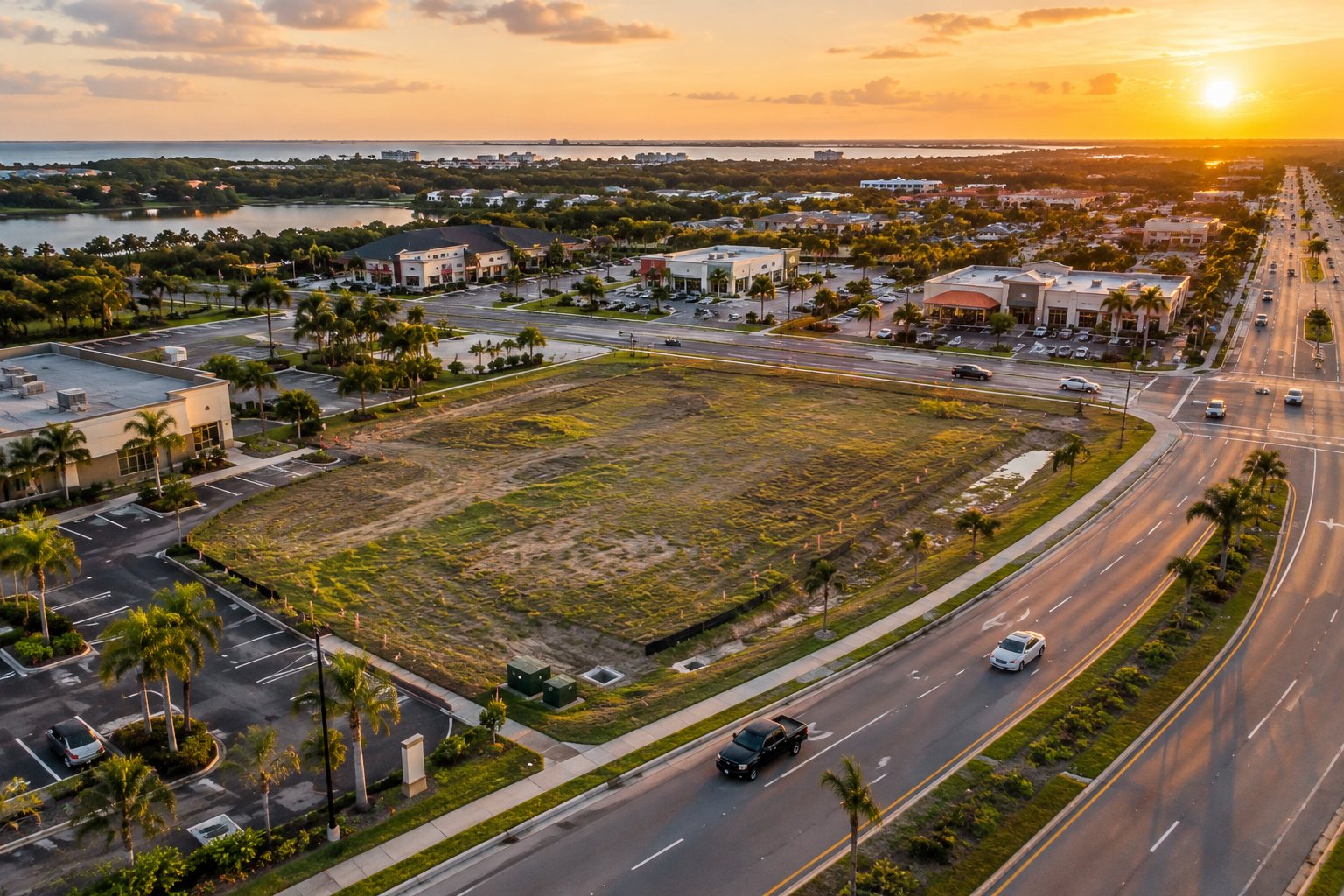
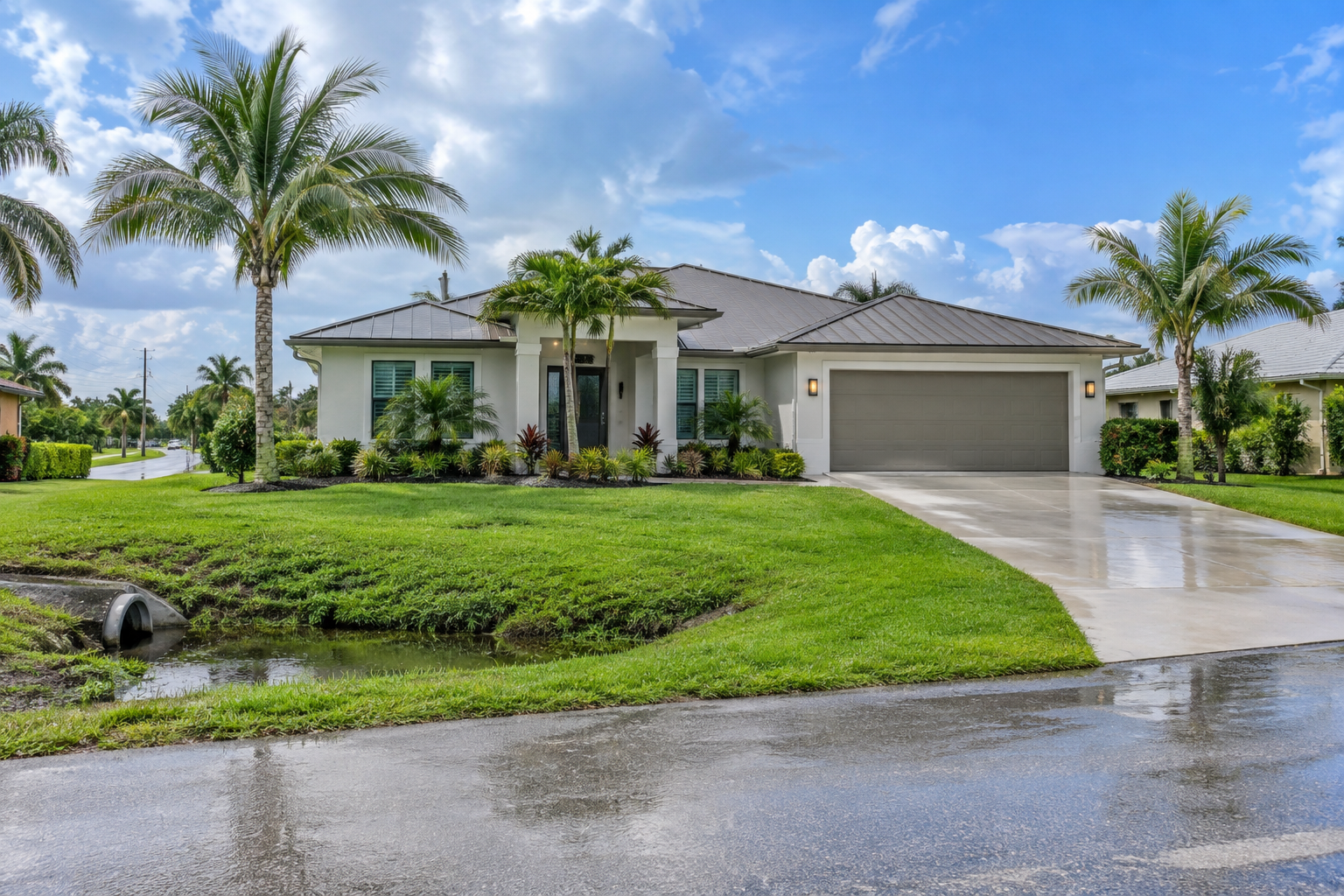
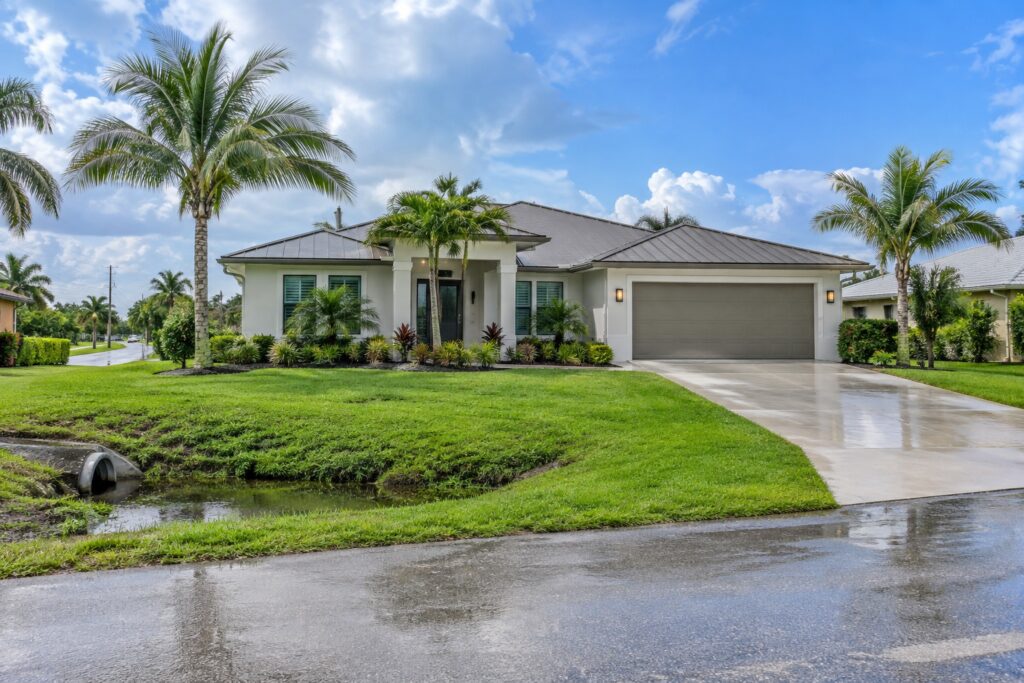
On the mainland, stormwater is a property value issue, not a cosmetic one. Indian River County swales are designed to move runoff through shallow channels, roadside ditches, and culverts, so a buyer needs to know whether the lot drains to the street, toward a retention area, or into a low spot that stays saturated after afternoon thunderstorms. If the rear yard slopes toward the home, if a driveway culvert is undersized, or if a neighboring lot has been raised without improving the discharge path, standing water can show up fast. That is why buyers should treat Stormwater Drainage as part of the appraisal, not an afterthought. In mainland subdivisions and on non-HOA acreage alike, a clean title search is not enough; you also want to know who is responsible for swale maintenance, whether a homeowner may modify the grade, and whether county rules limit filling or blocking a drainage easement.
Along the 58th Avenue and Route 60 corridors, drainage details often separate a low-stress purchase from a recurring maintenance project. A lot that looks level from the curb may actually hold water against the foundation after a heavy summer storm, and that can accelerate landscape failure, attract mosquitoes, and create arguments over runoff between adjacent owners. In older mainland neighborhoods, buyers should also look for evidence of repeated patching, settlement near the garage slab, or recurring sod replacement in low areas. Those clues often point to a drainage system that works only in dry weather.
Zoning, Millage, and Construction Standards That Change the Real Cost of Ownership
The right house can still be the wrong purchase if the zoning or tax structure does not fit the plan. A property along the 58th Avenue corridor may sit in a master-planned community with architectural review, while acreage in Sebastian or Fellsmere can come with agricultural or rural residential expectations, larger setbacks, and restrictions on accessory buildings, animals, or future splits. A buyer comparing Mainland Zoning rules with Wind Mitigation documentation will usually understand the true cost of ownership faster than someone focused only on the asking price. Property tax millage is also part of the equation: county, school, municipal, fire, and special district levies can change the annual bill materially, especially when one parcel sits inside city limits and another does not.
Then there is structure. Outside the barrier island, wind resistance still matters. Look for roof-to-foundation wind mitigation standards such as roof deck attachment, truss clips or straps, secondary water resistance, impact-rated openings, or qualifying protection on every exterior opening. A roof that looks recent may still generate a weak insurance profile if the permit record does not show the right fastening schedule or if the inspector cannot confirm the connections. In flood zone AE, lenders and insurers may require more paperwork and possibly an elevation certificate; in Zone X, buyers should still verify street drainage and finished-floor height instead of assuming the risk is zero. The best mainland purchase is the one whose zoning, drainage, insurance, and structural paperwork all line up before closing, not after the first claim or the first rainy season.
4-Point Mainland Single-Family Home Buyer Due-Diligence Checklist
- Confirm the parcel’s zoning, future land use, and deed restrictions. Check whether the home sits in a master-planned community, an HOA, or a non-HOA acreage setting, and verify what the parcel allows for fences, sheds, pools, boats, RV parking, and future additions.
- Inspect drainage in person after a rain if possible. Walk the swale, driveway culvert, side setbacks, and rear yard. Look for standing water, soil washout, patched sod, or evidence that the lot drains toward the foundation instead of away from it.
- Review flood, wind, and insurance documents before making an offer. Confirm whether the property is in AE or X, ask for any elevation certificate, and request the wind mitigation report or permit record that supports the home’s insurance profile.
- Calculate the full carrying cost, not just the mortgage payment. Include millage, HOA or CDD fees if applicable, utility costs, well or septic maintenance on acreage, and the long-term expense of roof, drainage, and exterior upkeep in Florida heat and storm cycles.
Final Considerations for Vero Beach Buyers
Mainland Vero Beach delivers strong value when buyers respect the details that sit outside the listing photos. The best single-family purchases are the ones with usable zoning, well-managed drainage, realistic tax and insurance numbers, and construction that is ready for Florida weather instead of merely looking updated. Whether the home is in a master-planned neighborhood near Route 60 or on a larger parcel in Sebastian or Fellsmere, due diligence should focus on what the land will do in August rain, what the county will allow on the lot, and how the structure will perform when wind and water test it.
FAQ
Do I need flood insurance for a mainland Vero Beach home in Zone X?
Zone X usually does not trigger a lender-required flood policy the way AE often can, but it is not a guarantee against nuisance flooding or poor lot drainage. Buyers should still review finished-floor height, street runoff, and the surrounding topography before dismissing the risk.
What is the biggest mistake buyers make on non-HOA acreage in Sebastian or Fellsmere?
They assume acreage means unlimited flexibility. Zoning, setbacks, drainage, septic placement, well location, and environmental constraints can all limit how the land can be used now and in the future.
For tailored guidance and experienced local representation, connect with MacEvoy Real Estate Co. to protect your coastal investment.