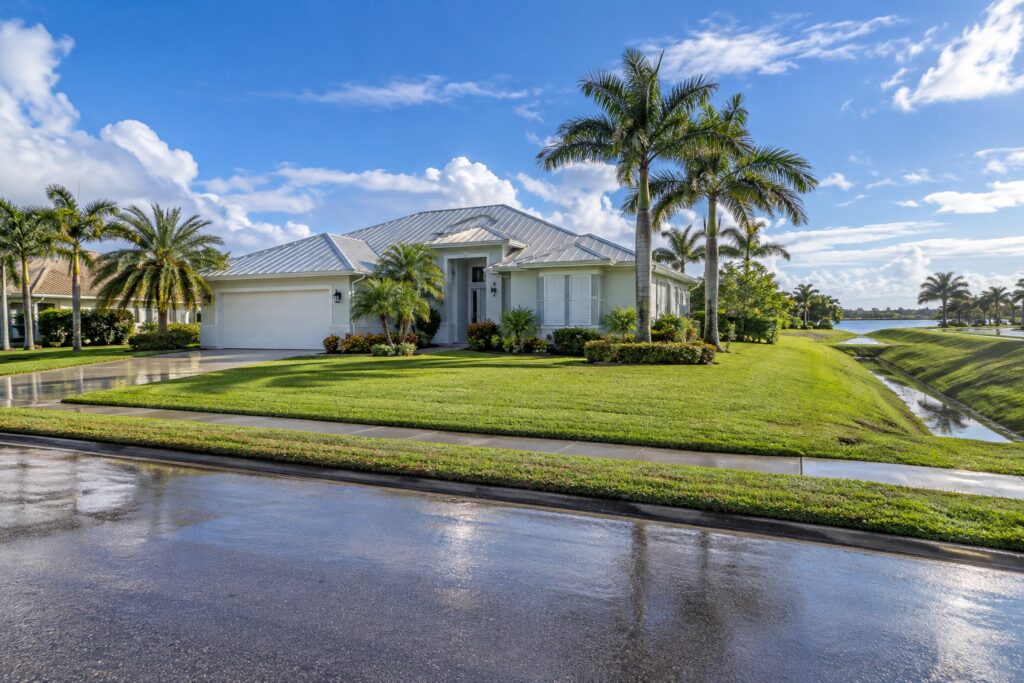
Mainland Vero Beach buyers often focus on square footage and school zones, but the real long-term value on the west side of Indian River County usually comes down to what the lot can handle after a summer downpour, how the structure is tied together from roof to foundation, and whether the neighborhood rules will limit future use of the property. Along 58th Avenue and State Road 60, and farther north toward Sebastian and Fellsmere, those details can decide whether a home is easy to own or expensive to maintain.
Why Drainage Swales and Lot Grading Matter More Than Curb Appeal
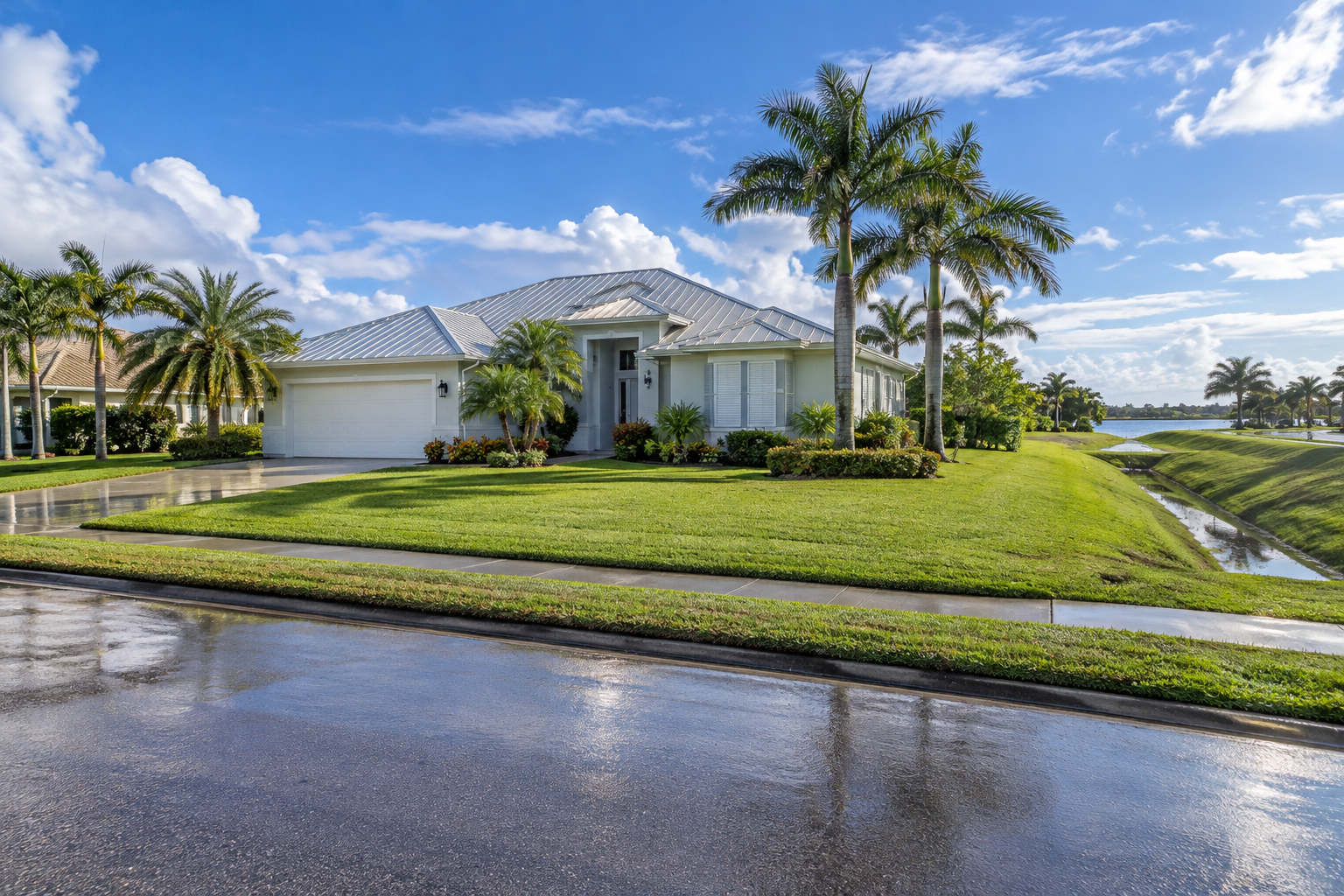
In mainland subdivisions and semi-rural pockets west of the barrier island, the first thing to verify is how stormwater leaves the property. Indian River County and many platted communities use swales, drainage easements, and rear-yard grading to move water away from homes, which means a lot that looks perfectly level may still have a legally protected drainage path running through it. Buyers comparing Mainland Living options along 58th Avenue or Route 60 should ask for the recorded plat, drainage easement language, and any seller disclosures tied to yard regrading, because landscaping, fences, sheds, and even pool enclosures can interfere with runoff and trigger future compliance issues.
Flood zone status still matters on the mainland, but the conversation is often more nuanced than on the island. Many homes sit in Zone X and may not require mandatory flood insurance by the lender, while nearby properties can fall into AE with elevation and insurance consequences that change the monthly payment. A property with a clean curb appearance can still have pooling water after a hard rain if the swale has been filled in, compacted by vehicles, or altered by prior owners. That is why a buyer should not treat lot drainage as a cosmetic issue; it is part of the property’s functional infrastructure and a direct factor in long-term usability, insurance exposure, and resale confidence.
Zoning, Acreage Use, and Wind Standards Beyond the Barrier Island
Outside the barrier island, mainland single-family properties are shaped by zoning, utility access, and building standards that vary between platted communities and unincorporated acreage. In Sebastian and Fellsmere, buyers considering non-HOA or lightly restricted parcels need to confirm whether the lot allows accessory structures, RV storage, agricultural use, home-based business activity, or future expansion. That review should include setbacks, lot coverage limits, well and septic rules if applicable, and any county code requirements that affect a detached garage, pole barn, or guest house. For buyers who value flexibility, zoning is not a footnote; it is the blueprint for how the property can evolve over time.
Construction quality matters just as much. Mainland homes may not face the same salt exposure as properties on the 32963 barrier island, but they still need a strong wind path from the roof deck to the foundation. Buyers should verify roof age, roof-to-wall connectors, secondary water barrier details, opening protection, garage door bracing, and whether a current wind mitigation report is available. The insurance savings from a documented system can be meaningful, especially when paired with an accurate understanding of flood exposure and a realistic premium estimate. Buyers who want to go deeper on Wind Mitigation should request the inspection report before the contract inspection deadline rather than after, because retrofits and corrections are easier to price when the seller is still part of the negotiation.
On the mainland, a strong purchase decision is rarely about one feature. It is about how the house, lot, drainage, and zoning all work together under Indian River County rules. A property that appears simple on the surface can carry hidden maintenance responsibilities if the swale needs regrading, the roof lacks documentation, or the lot use is more limited than the buyer expected. That is why local review of permits, plats, and insurance assumptions should happen before emotions take over the offer process.
4-Point Due Diligence Checklist for Mainland Single-Family Buyers
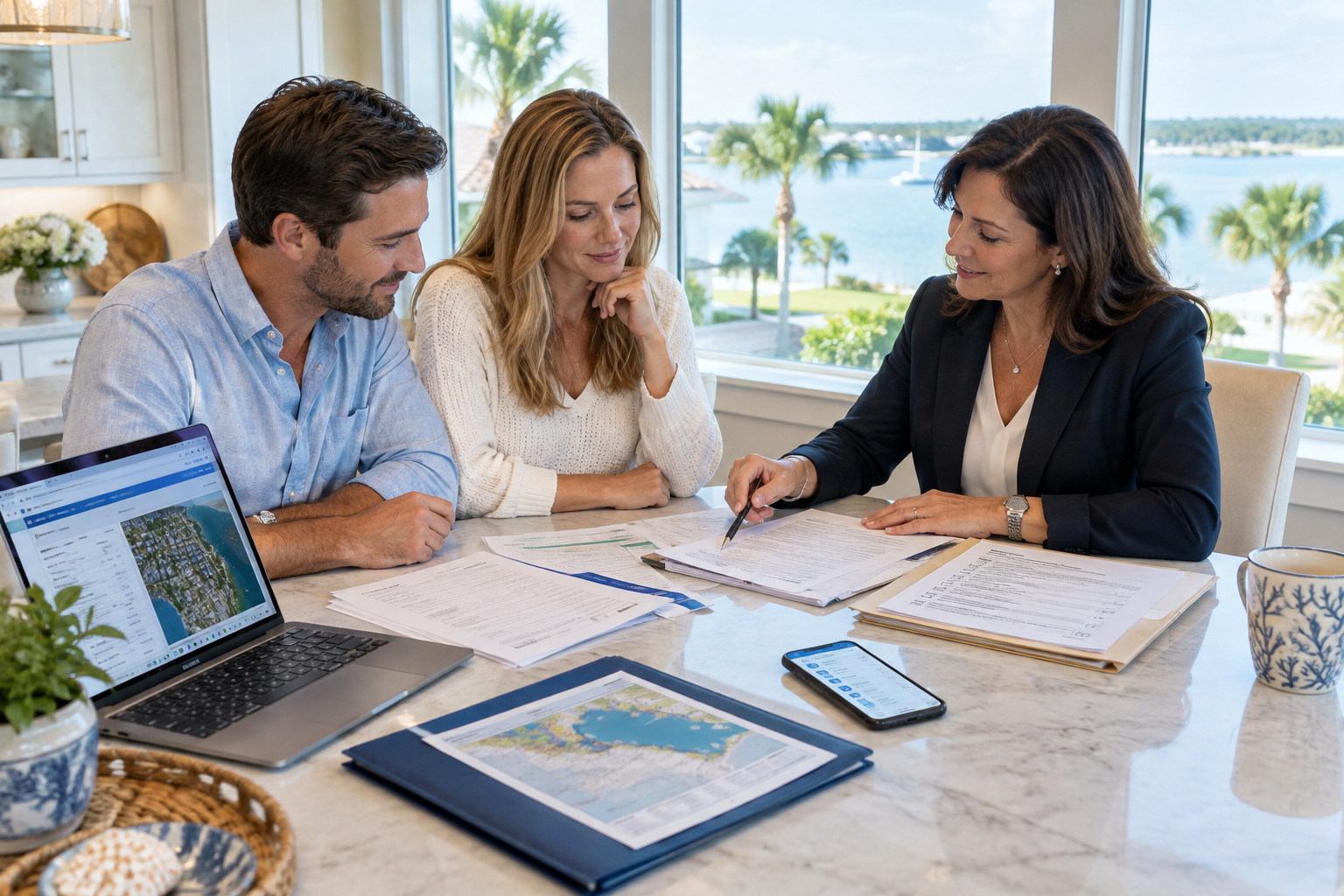
- Review the recorded plat, survey, and drainage easements to confirm swales, setback lines, and any restrictions on fences, sheds, pools, or driveway changes.
- Verify flood zone designation, elevation concerns, and whether the property is in AE or X so your lender and insurance agent can price the monthly carrying cost accurately.
- Confirm zoning and land-use allowances if the property is in Sebastian, Fellsmere, or an unincorporated acreage area, especially for accessory buildings, parking of work vehicles, or future additions.
- Request roof age, permit history, and a wind mitigation report so you know whether the home meets current structural expectations and where insurance credits may apply.
Final Considerations for Vero Beach Buyers
Mainland living in Vero Beach offers more space, more flexibility, and often better value than the barrier island, but the smartest buyers evaluate the property beyond curb appeal. Drainage performance, zoning limits, flood exposure, and wind resistance all shape the true cost of ownership in Indian River County. Whether you are comparing a master-planned neighborhood near 58th Avenue, an established Route 60 subdivision, or a larger parcel near Sebastian or Fellsmere, the best purchase is the one that matches your lifestyle and holds up under local weather, local code, and local insurance realities.
FAQ
How do I know if a mainland Vero Beach home has drainage problems?
Check the survey for swales and drainage easements, walk the property after a heavy rain if possible, and ask whether the yard has ever been regraded, filled, or repaired. Standing water, sinking soil, or altered swale lines are signs the lot may need additional review before closing.
Are non-HOA acreage properties in Sebastian or Fellsmere easier to buy than subdivision homes?
They can be easier for buyers who want flexibility, but they usually require more due diligence. Zoning, septic, well access, setbacks, accessory structure rules, and permitted land use all need careful review before you assume the property can be used the way you want.
For tailored guidance and experienced local representation, connect with MacEvoy Real Estate Co. to protect your coastal investment.