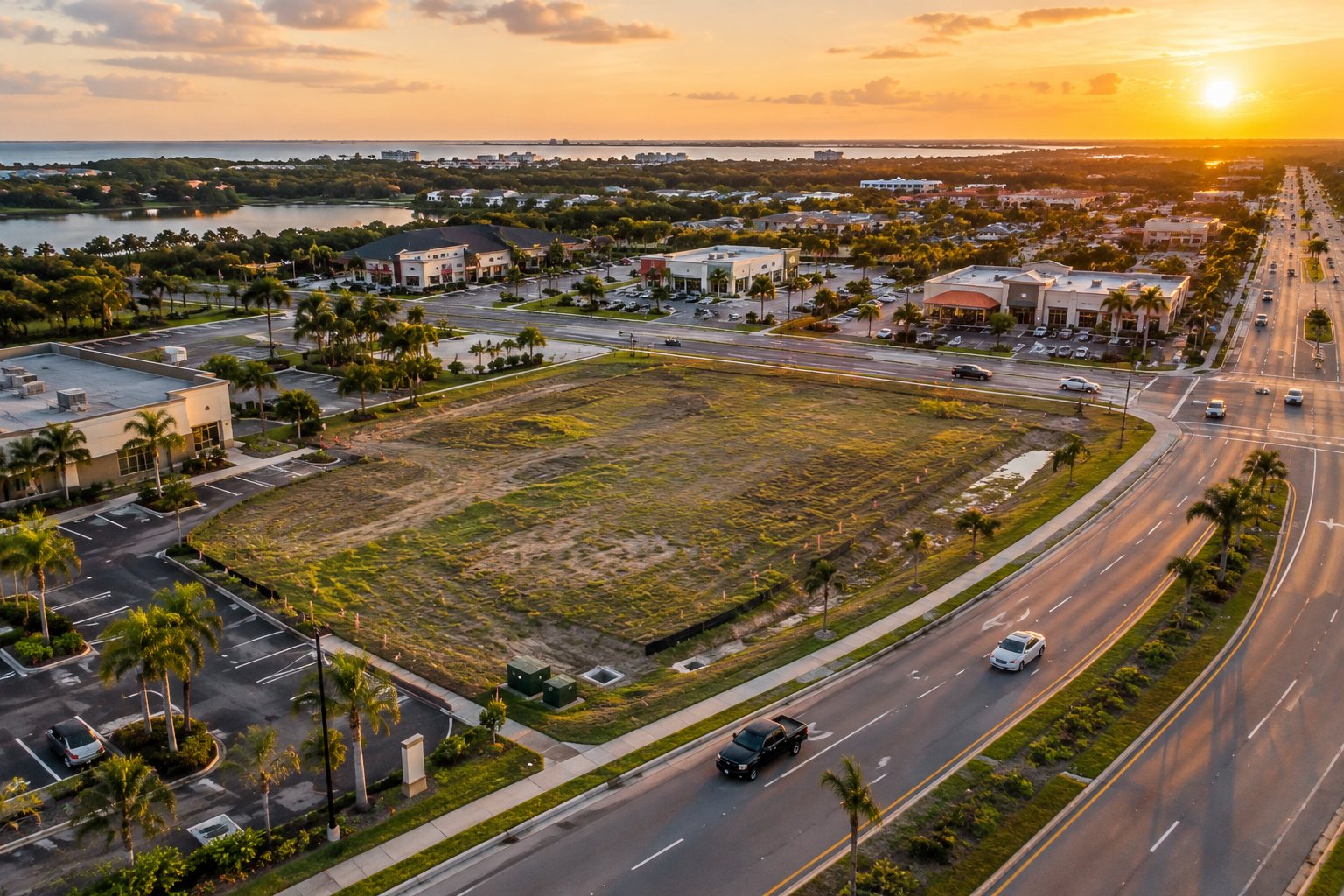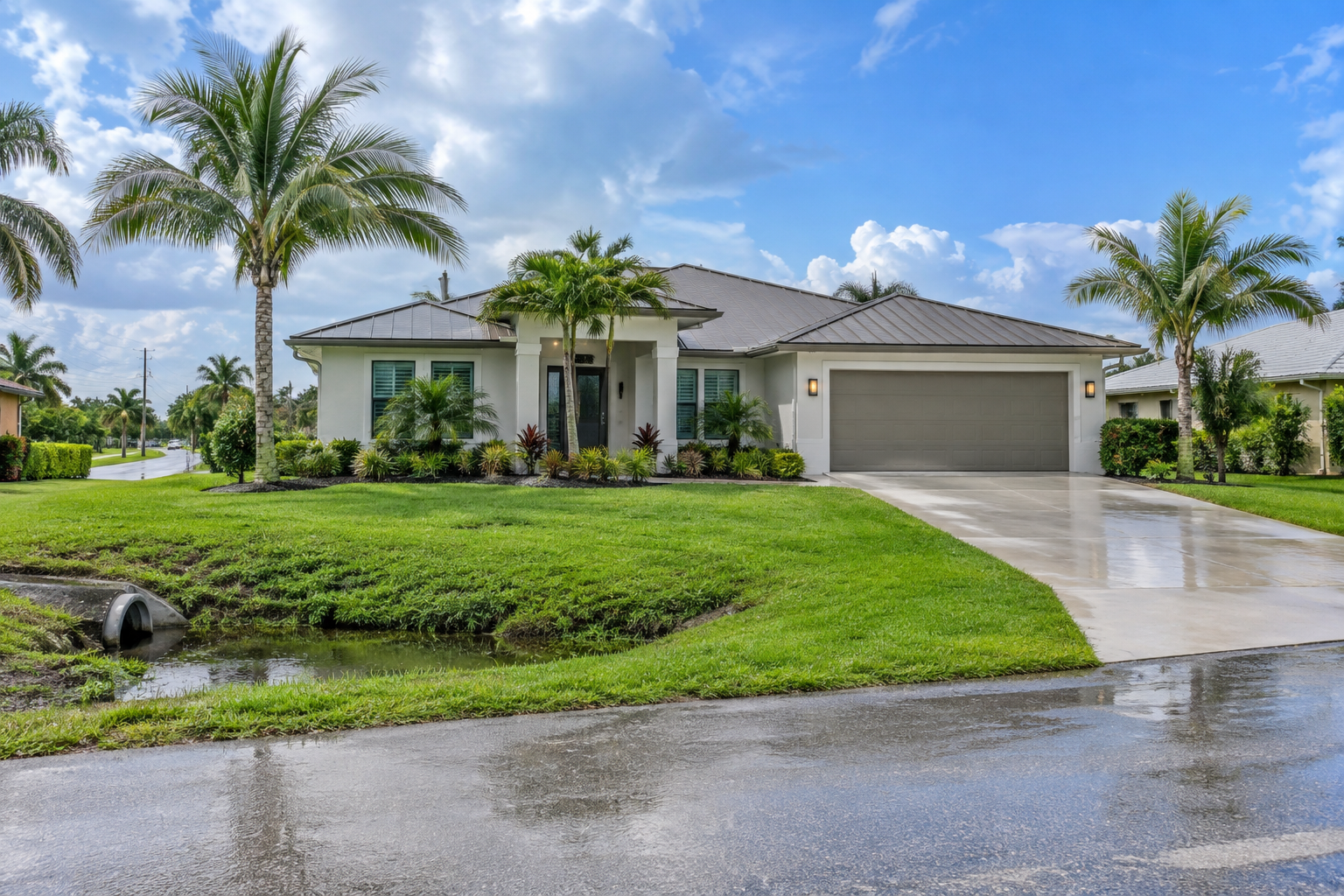

On Vero Beach’s 32963 barrier island, a jumbo loan can stall less because of the borrower’s finances than because of the timing of insurance binders, HOA paperwork, and Florida’s closing tax math. A coastal purchase that looks simple on paper can turn into a last-minute underwriting problem once the lender verifies the flood zone, the wind policy, the condo or association package, and whether the note will trigger intangible tax at closing.
How Jumbo Underwriters Read a Coastal File in Indian River County
For lenders, Jumbo Mortgages on coastal property are evaluated as a full risk package, not just a credit score. In practice, that means larger cash reserves, clean asset seasoning, stable income history, and a property appraisal that supports the value even after insurance and maintenance costs are considered. A buyer may qualify easily on income alone, yet still be asked for additional documentation if deposits are irregular, if the source of funds is not well documented, or if the file includes rental income, bonus income, or self-employment earnings that do not fit neatly into a standard underwriting box.
The property itself matters just as much as the borrower. On the barrier island, a home in Flood Zone AE can require an elevation certificate, flood insurance pricing, and a more conservative loan structure than a similar home in Flood Zone X on the mainland. Roof age, wind mitigation features, previous water intrusion, and any sign of deferred maintenance can all affect the lender’s decision. For a second home or investment property, the reserve requirement can rise, and the lender may want proof that the buyer can carry the property through hurricane season without relying on short-term liquidity.
Closing Costs, Estoppels, and Florida Tax Items That Change the Final Number
The final settlement statement in Indian River County should be reviewed line by line before wire instructions go out. Buyers often underestimate the impact of Closing Costs when the purchase price is high enough to trigger larger documentary stamp taxes, lender fees, title endorsements, survey costs, and prepaid insurance escrows. In Florida, the deed and the mortgage have different tax treatment, and a financed purchase can also carry intangible tax on the note. Cash buyers avoid the note tax, but they still need title work, recording charges, and often association-related expenses if the property sits inside an HOA or condo community.
HOA and condo documents can be just as important as the loan file. An estoppel statement confirms dues, special assessments, unpaid balances, and any transfer fees that must be cleared at closing. In a building subject to milestone inspections or reserve concerns, the title company and lender may require extra disclosures before they will fund. If repairs, wind mitigation items, or pending association deliverables are not complete by the closing date, an escrow holdback may be negotiated so the transaction can proceed without leaving the lender exposed. For all-cash buyers, proof of funds still needs to be current, specific, and verifiable; screenshots are not enough when a seller or title company wants certainty before signing.
4-Step Pre-Closing Due Diligence for Vero Beach Buyers
- Verify insurance before loan approval. Confirm wind and flood quotes early, and compare how the property is rated in AE versus X so the monthly payment is not a surprise.
- Request the closing estimate in writing. Ask for documentary stamp taxes, intangible tax if a mortgage is involved, title charges, lender fees, and prepaid items before wiring any funds.
- Order HOA or condo documents immediately. Estoppel, budget, reserve, and milestone information should be reviewed before the end of the inspection period whenever possible.
- Prepare clean proof of funds and reserve documentation. Jumbo borrowers and cash buyers should have bank statements, wire information, and source-of-funds support ready before the title company asks for it.
Final Considerations for Vero Beach Buyers
The buyers who close smoothly on Vero Beach coastal property are usually the ones who treat financing, title, and insurance as one coordinated process rather than separate tasks. In 32963, the most common delays come from overlooked flood requirements, association paperwork, tax estimates that were never finalized, or reserve requests that were too optimistic for a jumbo file. A disciplined review of the loan terms, the settlement statement, and the property’s coastal risk profile can prevent last-minute renegotiations and protect the buyer’s leverage at the table.
FAQ
How much reserve money do jumbo lenders usually require for a Vero Beach coastal purchase?
The exact amount depends on the lender, occupancy type, and the property’s risk profile, but coastal jumbo borrowers are often asked to show several months of reserves beyond the down payment and closing costs. Second homes, investment properties, and homes in higher-risk flood areas can require more liquidity.
Do cash buyers in Indian River County still need proof of funds and title clearance?
Yes. A cash contract usually still requires current proof of funds, a clean title search, and any HOA or condo estoppel documents that affect the seller’s ability to close. Cash may simplify financing, but it does not remove the need for a clear ownership transfer.
For tailored guidance and experienced local representation, connect with MacEvoy Real Estate Co. to protect your coastal investment.