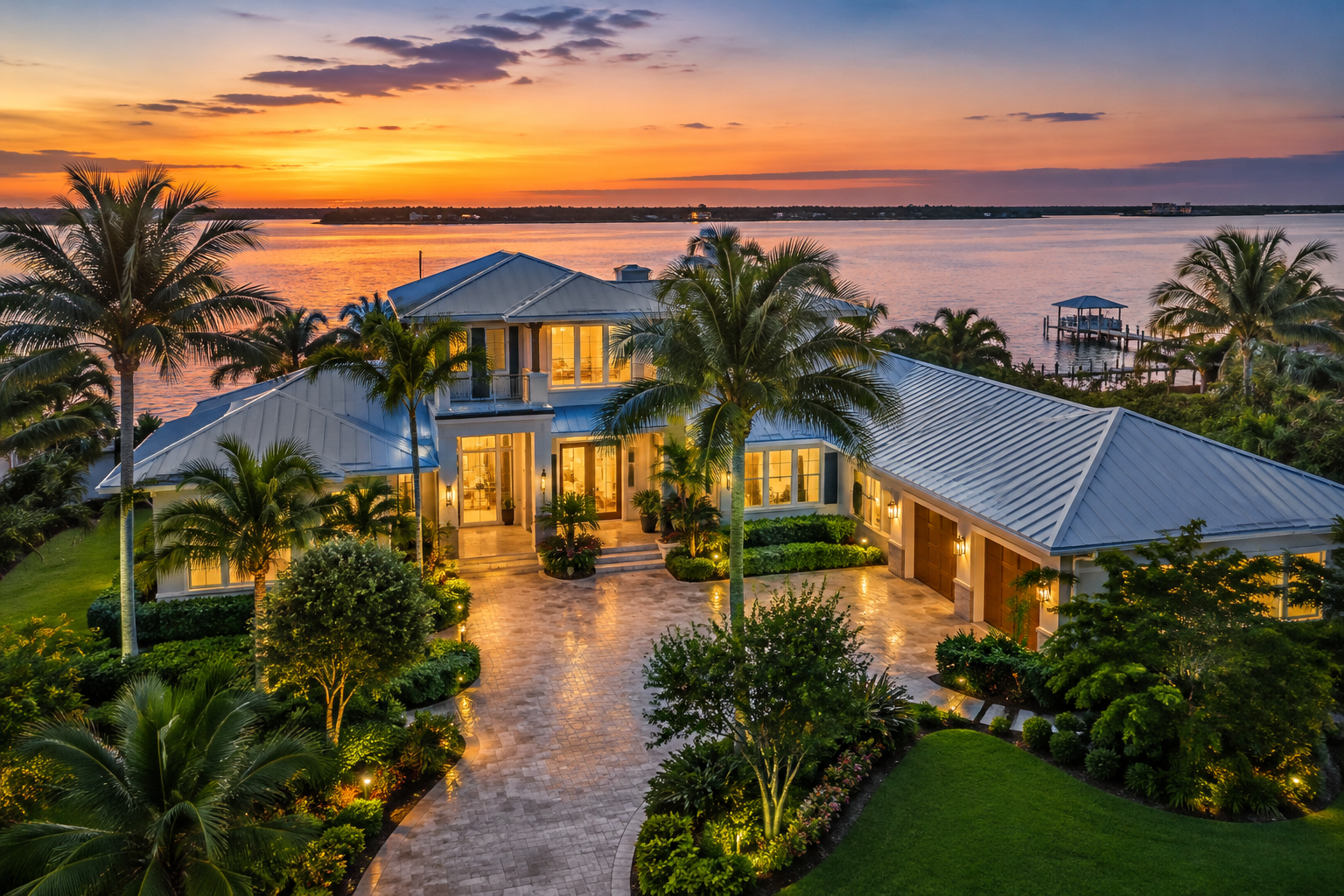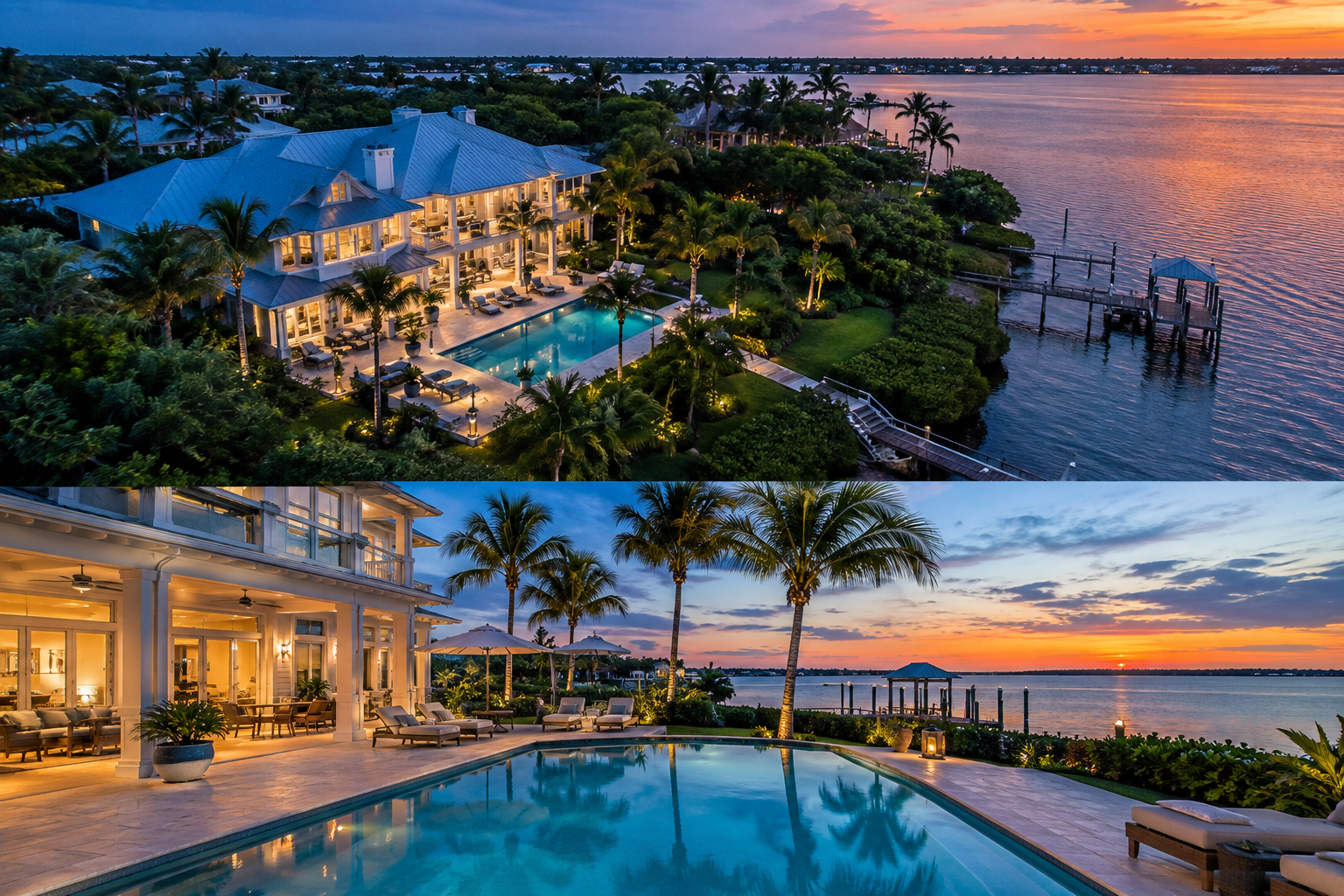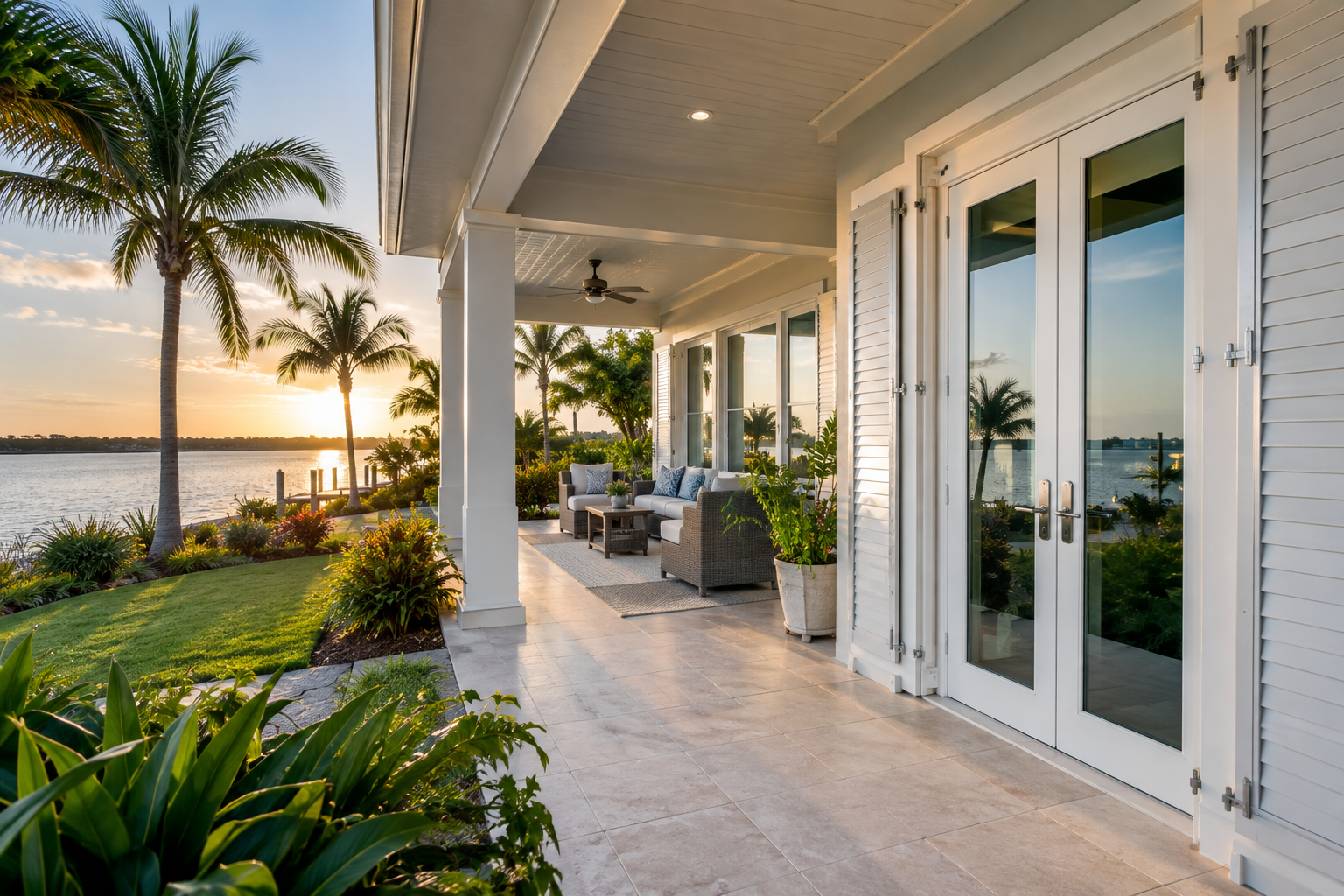
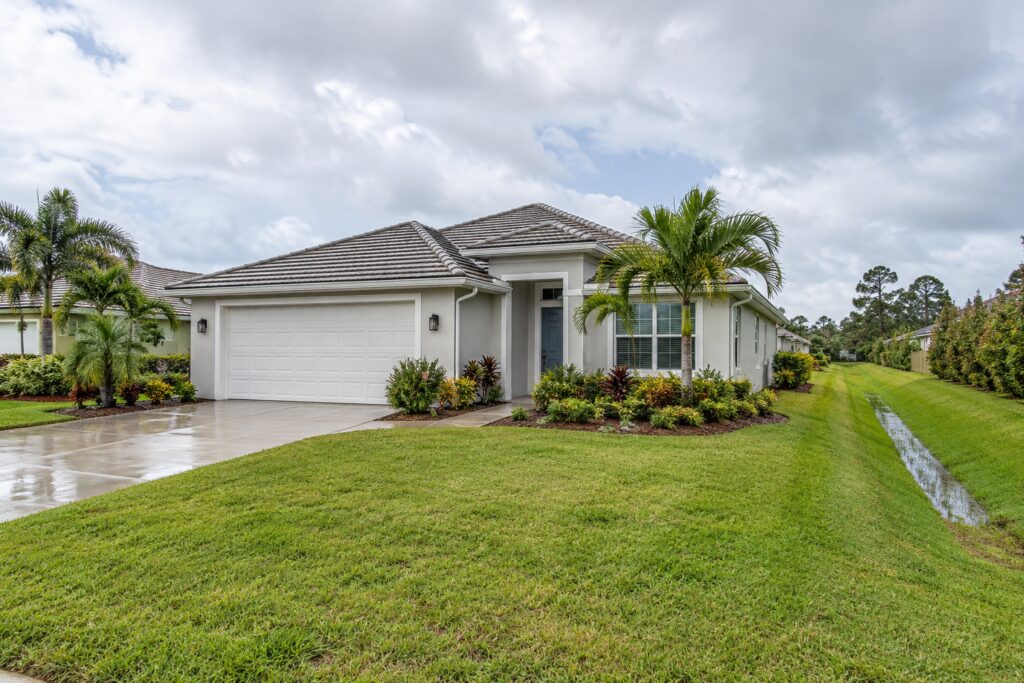
On mainland Vero Beach, the best-looking single-family home can become the most expensive if the rear swale, drainage slope, and roof tie-downs were treated as afterthoughts instead of sale conditions. In communities off 58th Avenue and the Route 60 corridor, the real question is not whether the house has a split floor plan; it is whether water can leave the lot after a summer downpour, whether the site sits in AE or X, and whether the structure is documented to resist wind from roof deck to foundation.
How Drainage Swales Shape Value on Vero Beach Mainland Lots
When buyers compare Mainland Living options, lot drainage should be reviewed with the same attention usually reserved for cabinetry or school zones. Indian River County subdivision lots commonly rely on swales, shallow drainage channels, and graded easements to move stormwater away from structures and toward approved outfalls. If a seller has added pavers, landscaping berms, or fence lines that interrupt the swale, you may inherit standing water, mosquito issues, driveway washout, or a correction notice after closing. In older mainland neighborhoods, a non-HOA lot may look flexible on the surface, but flexibility ends where county drainage standards begin. Buyers should verify the plat, ask whether the swale is an easement or a maintained drainage feature, and confirm that roof runoff, A/C condensate, and downspouts do not discharge in a way that concentrates water onto neighboring property. For properties in the Route 60 corridor, this matters just as much as architectural style because flat topography means grading errors show up fast after heavy rain.
In practical terms, a clean title search is not enough. A site with an attractive lawn can still fail the common-sense test if the rear lot line has been leveled too aggressively, if the swale has been filled to support a shed, or if the driveway apron blocks natural flow. That is why buyers considering Stormwater Swales should treat a site walk as part of due diligence, not a courtesy tour. Take photos after rain if possible, and ask a local inspector or surveyor to flag runoff patterns before contingencies expire.
What Wind Mitigation Looks Like Outside the Barrier Island
Mainland homes do not face the same direct salt exposure as the barrier island in 32963, but Indian River County still expects a structure that is built for Florida wind. Roof-to-foundation resilience starts with the roof covering age, secondary water resistance, roof deck attachment, roof-to-wall connection, opening protection, and overall load path continuity. A seller may say the home has hurricane shutters, but shutters alone do not tell you whether the garage door is wind-rated, whether the trusses are properly strapped, or whether the roof shape and soffit details support a favorable wind mitigation report. Those details influence insurance pricing, and they matter even more on a single-family home that sits outside a formal HOA because there is usually no association board pushing for upkeep on your behalf.
Buyers should also remember that flood zones and wind exposure are different issues. A home in AE may require more insurance scrutiny than a home in X, but an X-zone property still needs roof, window, and elevation details that satisfy underwriting. That is especially true for homes in newer mainland subdivisions where finish quality can vary from builder to builder. If the seller cannot produce permits, a current wind mitigation inspection, or evidence of roof replacement, budget for that uncertainty before you fall in love with the kitchen.
4-Point Mainland Buyer Due-Diligence Checklist
- Confirm the lot’s drainage plan: Ask for the survey, plat, and any drainage easement information. Walk the property edge to see whether swales are intact and whether water has a clear path away from the structure.
- Verify zoning and land-use limits: If you are comparing Vero Beach with acreage in Sebastian or Fellsmere, review setback rules, accessory structure limits, and any agricultural or rural zoning constraints before assuming the parcel can support your plans.
- Request insurance and elevation documents: Check flood zone status, elevation certificate availability, and wind mitigation records. The difference between AE and X can affect premiums, but roof shape and opening protection can matter just as much.
- Review taxes and recurring assessments: Confirm the current millage rate, any municipal or county assessments, and whether a community development district or special assessment applies. Mainland ownership costs can shift year to year even when the monthly mortgage estimate looks stable.
Final Considerations for Vero Beach Buyers
Single-family mainland living in Vero Beach rewards buyers who evaluate the site as carefully as the house. A solid location off 58th Avenue or Route 60 can still carry hidden cost if the swale is compromised, the zoning is misunderstood, the flood designation is overlooked, or the wind documentation is incomplete. The best purchase is the one that performs well in July rain, survives underwriting, and fits your long-term use without surprise repairs or compliance issues. In this market, diligence is not an extra step; it is the difference between a smart purchase and an expensive lesson.
FAQ
Do mainland Vero Beach homes still need flood insurance if they are not on the barrier island?
Sometimes, yes. A mainland property in AE may require lender-mandated flood insurance, while an X-zone property may not, but elevation, drainage, and loan terms still matter. Always verify the specific parcel rather than assuming mainland means low risk.
What should I inspect first on a non-HOA mainland lot?
Start with the drainage swales, driveway grading, roof condition, and any permits tied to additions, fences, or outbuildings. On a non-HOA lot, those items are often the ones that trigger the most expensive post-closing surprises.
For tailored guidance and experienced local representation, connect with MacEvoy Real Estate Co. to protect your coastal investment.