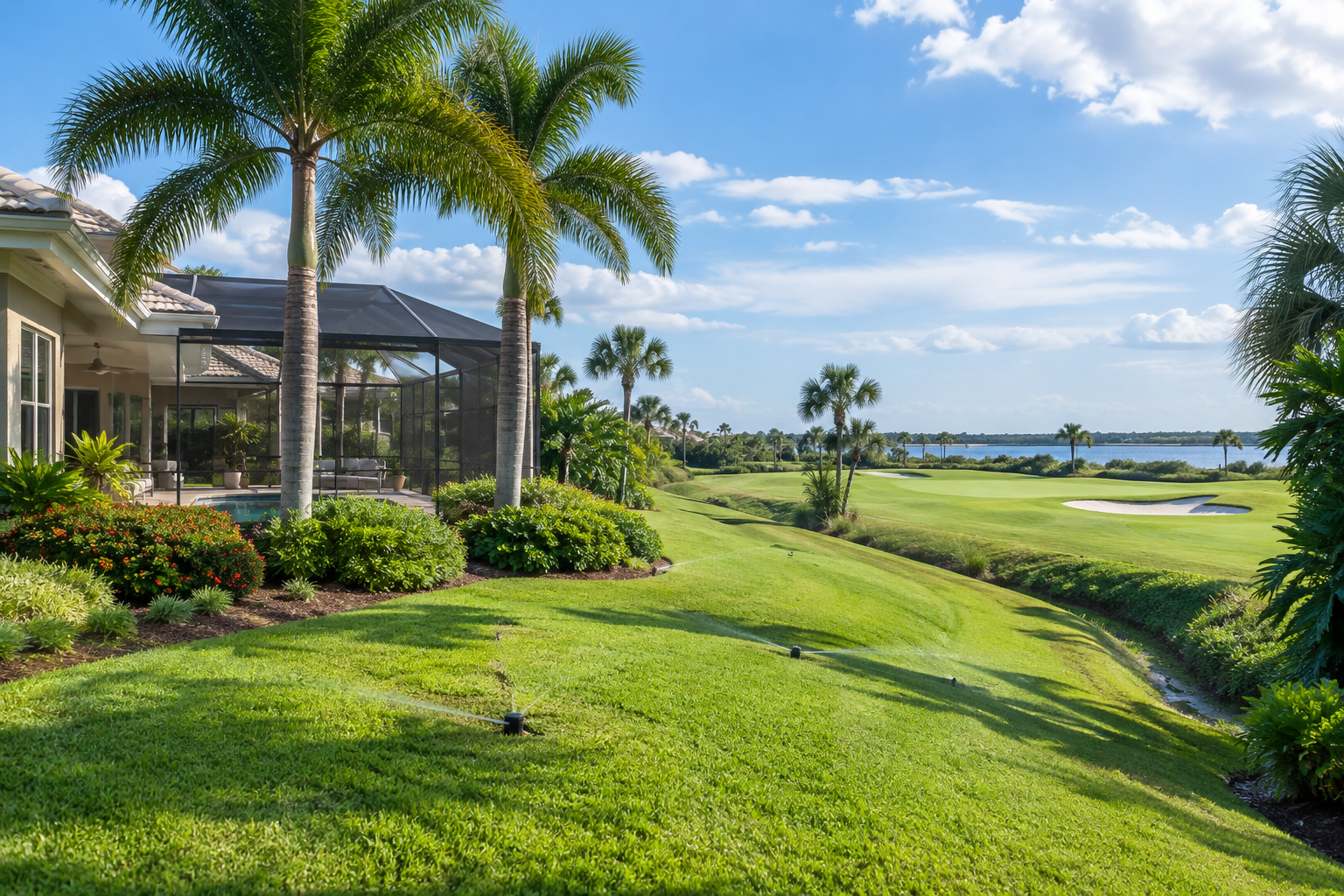

In Vero Beach, a long-term lease on the barrier island is rarely just about monthly rent; it is a contract for managing salt air, storm exposure, HOA review, pet permissions, and the timing of rent changes before the next renewal cycle hits the market. If the home sits in 32963, the lease should spell out exactly how a renewal increase is delivered, how the security deposit is documented, and which pet rules apply before a tenant moves in, because a vague template can turn a stable rental into a Chapter 83 dispute fast.
Renewal Escalation Clauses Should Match Florida Notice Rules and Local Market Timing
Florida law does not give landlords unlimited freedom to surprise tenants at renewal. A fixed-term lease can be renewed at a higher rate only if the contract clearly allows it or if the term expires and proper notice is given. In Indian River County, that matters because seasonal pressure on coastal rentals can shift pricing quickly, but a legal rent increase still has to be drafted with precision. State the notice deadline, the method of delivery, the new monthly rent, and whether the increase applies automatically unless the tenant responds. If the property is in an HOA or condo building on the island, the renewal clause should also say whether association approval remains a condition of continued occupancy.
For owners comparing mainland neighborhoods with barrier-island inventory, renewal language should also reflect the property’s risk profile. A home in AE flood zone needs a cleaner statement about storm-related access, insurance obligations, and repair delays than a similar house in X zone, because floodplain uncertainty changes how quickly a tenant can re-occupy after a weather event. The lease should not imply that a lower-flood-risk map designation eliminates drainage, surge, or wind-driven water issues; on the coast, those issues remain part of the operating reality.
Security Deposit Accounting and Pet Addenda Need a Paper Trail That Can Survive a Dispute
Under Landlord Tenant Law, Florida security deposit handling is mostly about deadlines, disclosures, and documentation. The landlord should issue the required written notice after receipt of the deposit, identify where the funds are held, and keep internal records that show the exact amount collected, the date received, and any later deductions. When the tenant vacates, the return timeline depends on whether the landlord is making a claim against the deposit, so the move-out file should include photos, signed inspection notes, repair invoices, and a dated forwarding address.
A clean paper trail under Security Deposit Handling matters even more when the home allows pets. A pet addendum should separate ordinary wear from pet-related damage, define approved animals, list breed or weight restrictions only if they are lawful and consistently applied, and confirm whether the owner may require additional cleaning after the lease ends. On the barrier island, pet terms should also reflect practical coastal conditions: screened porches, shell-stone landscaping, irrigation systems, and fenced yards can all change what counts as normal wear. If the rental is subject to a condo or HOA, the lease should defer to the association’s pet rules rather than trying to override them.
For screening, use the same written criteria for every applicant: income threshold, rental history, credit standards, and prior eviction review. That keeps the process defensible if a declined applicant challenges the decision. Consistency matters just as much as the lease language itself.
A Four-Point Due-Diligence Checklist for Annual and Long-Term Leases
- Verify the approval chain. Confirm whether the property is governed by an HOA, condo association, or none at all, and document any leasing minimums, application fees, or move-in deadlines before advertising.
- Match the lease to the flood reality. Identify whether the home is in AE or X flood zone, then assign responsibility for storm prep, water intrusion reporting, and post-event access in writing.
- Audit the deposit file. Save the deposit notice, account details, inspection photos, repair receipts, and move-out correspondence in one digital folder so nothing is lost when a claim deadline arrives.
- Review renewal language before signing. Make sure escalation clauses, pet permissions, utility obligations, and HOA compliance terms are all readable, dated, and signed before the lease term begins.
Final Considerations for Vero Beach Buyers
Buyers purchasing a rental property in Vero Beach should treat the lease as part of the asset, not as an afterthought. A well-drafted annual or long-term lease protects cash flow, reduces vacancy friction, and keeps the owner aligned with Chapter 83, local association rules, and the practical realities of coastal ownership. The best contracts for Indian River County properties are the ones that anticipate renewal pricing, deposit handling, pet behavior, and weather-related access before any dispute starts.
FAQ
Can a Vero Beach landlord raise rent at renewal if the lease is ending soon?
Yes, if the lease clearly allows for renewal pricing or if proper notice is given before the fixed term ends. The safest approach is to state the new rent, the effective date, and the deadline for the tenant’s response in writing.
Do pet addenda matter more on barrier-island rentals than on mainland homes?
They often do, because barrier-island homes may have stricter HOA rules, more delicate exterior finishes, and higher maintenance exposure from salt, sand, and storms. A precise pet addendum helps separate expected coastal wear from avoidable damage.
For tailored guidance and experienced local representation, connect with MacEvoy Real Estate Co. to protect your coastal investment.