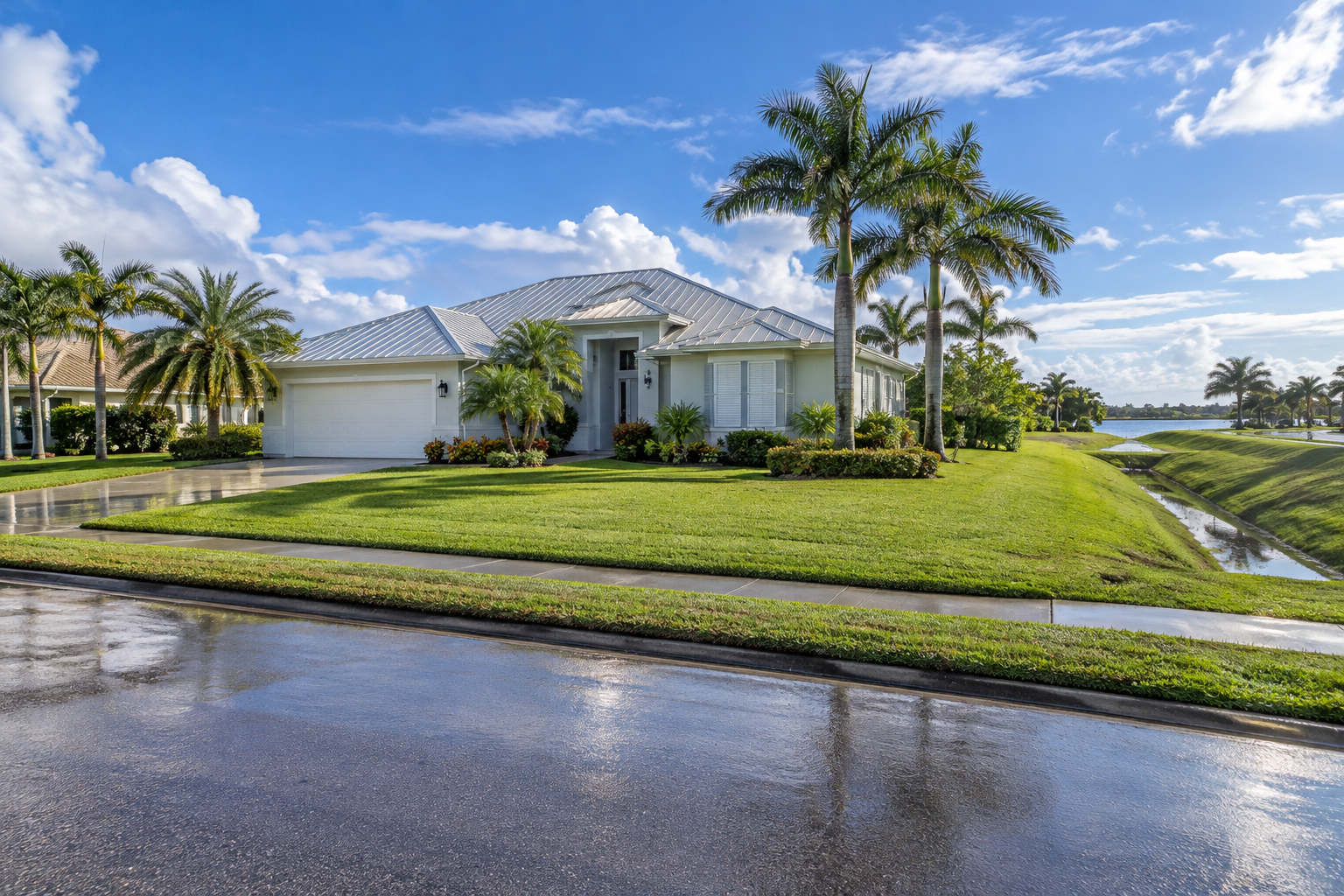

In Vero Beach‘s 32963 barrier island market, the lease terms that create the most trouble are not the headline rent number or the security deposit amount; it is the renewal clause that is too vague to survive a Florida Chapter 83 dispute, especially when a single-family home sits in an HOA, carries flood-zone exposure, and allows a dog that can quietly change the property’s wear pattern over a 12-month term. For landlords and buyers holding annual or long-term rentals in Indian River County, the safest approach is to lock down the rent-escalation language before move-in, align the deposit notice with state handling rules, and make sure any pet addendum matches both the home’s coastal realities and the community’s governing documents.
Renewal language that actually works in Indian River County
Strong renewal language starts with dates, not assumptions. The best Annual Leases and Lease Renewals in Indian River County spell out when notice must be given, what happens if notice is missed, and exactly how the next term’s rent is calculated. Florida does not impose rent control for a typical private rental, so the contract has to do the heavy lifting: name the renewal option, define whether the increase is fixed or percentage-based, and state whether the owner may adjust terms for flood insurance, HOA dues, or other documented carrying costs. On the barrier island, where comparable rents can move faster than on the mainland, a vague ‘market rate’ clause often turns into a disagreement about who gets to decide the market and when. If the lease simply says it may renew ‘by mutual agreement,’ the parties may end up renegotiating at the last minute, or worse, operating under an expired lease while insurance, maintenance, and association compliance continue to run on a different timeline.
Security deposit handling and pet terms that hold up during move-out
Security deposits need the same level of precision, and Florida’s written notice requirement is where many owners slip. Under Security Deposits, the landlord must tell the tenant within 30 days of receipt where the deposit is held and whether it sits in an interest-bearing account, a non-interest-bearing account, or a surety bond; the lease should also explain how any interest is handled so there is no confusion at move-out. At the end of the tenancy, the landlord must either return the deposit promptly when no claim is made or send a timely certified-mail claim notice if deductions are needed. For a barrier island single-family rental, the move-out file should include pre-occupancy photos, pet-specific wear notes, and a written record of any salt-air corrosion, lawn damage, or lanai screen tears so the claim is tied to facts, not frustration.
Pet rules deserve their own addendum, not a buried sentence in the general lease. A landlord may set reasonable standards for size, breed, number of animals, waste cleanup, and yard repair, but those rules must stay consistent with the property’s association documents and with fair housing obligations for service and assistance animals. On the barrier island, a pet policy should also address exterior rinsing after beach walks, sand intrusion on flooring, scratch protection on sliders, and who pays for odor remediation if the home has a screened lanai or high-humidity rooms. If the property is in an AE flood zone, or if an HOA requires prior approval, the lease should say the tenant is responsible for obtaining that approval before move-in rather than after a violation notice arrives.
4-point annual lease and long-term rental due-diligence checklist
- Confirm the property’s risk profile. Verify the flood zone, insurance requirements, and whether the home is in AE or X before you set renewal terms or price the lease.
- Lock the renewal mechanics into the lease. Put the notice deadline, escalation formula, and any option to renew in writing so the parties are not negotiating by email at the last minute.
- Document deposit compliance from day one. Record the statutory deposit notice, account type, move-in condition photos, and the exact return or claim procedure for the end of the term.
- Match pet language to the home and the community. Make the addendum consistent with HOA rules, fair housing obligations, and the practical wear that comes with a coastal rental near the Indian River Lagoon and Atlantic barrier island environment.
Final Considerations for Vero Beach Buyers
Whether you are buying a rental on the barrier island or on the mainland side of Indian River County, the lease is part of the asset and should be reviewed with the same care as flood maps, roof age, or HOA documents. A clear renewal clause, compliant security deposit handling, and a pet addendum that fits the home and the association can prevent disputes that eat into cash flow and goodwill. In a market shaped by Indian River Lagoon exposure, Atlantic weather, and shifting insurance costs, disciplined lease drafting protects value as much as price negotiation does.
Frequently Asked Questions
How much notice should a Vero Beach landlord give before increasing rent on a 12-month lease?
Give the notice required by the lease itself, and make that window long enough to avoid a last-minute dispute. For a barrier island or mainland rental in Indian River County, 60 to 90 days before expiration is common because it gives both sides time to renew, reprice, or plan an orderly move. If the lease is silent, the owner is exposed to arguments about timing, so the better practice is to state the exact deadline in the agreement.
Can a landlord enforce a no-pets rule if the home is in an HOA on the barrier island?
Yes, if the rule is written into the lease and consistent with the association documents, but it cannot be used to deny a lawful service or assistance animal accommodation. The owner should confirm the HOA approval process, document the animal policy in a separate addendum, and keep the lease consistent with insurance and community restrictions. For tailored guidance and experienced local representation, connect with MacEvoy Real Estate Co. to protect your coastal investment.