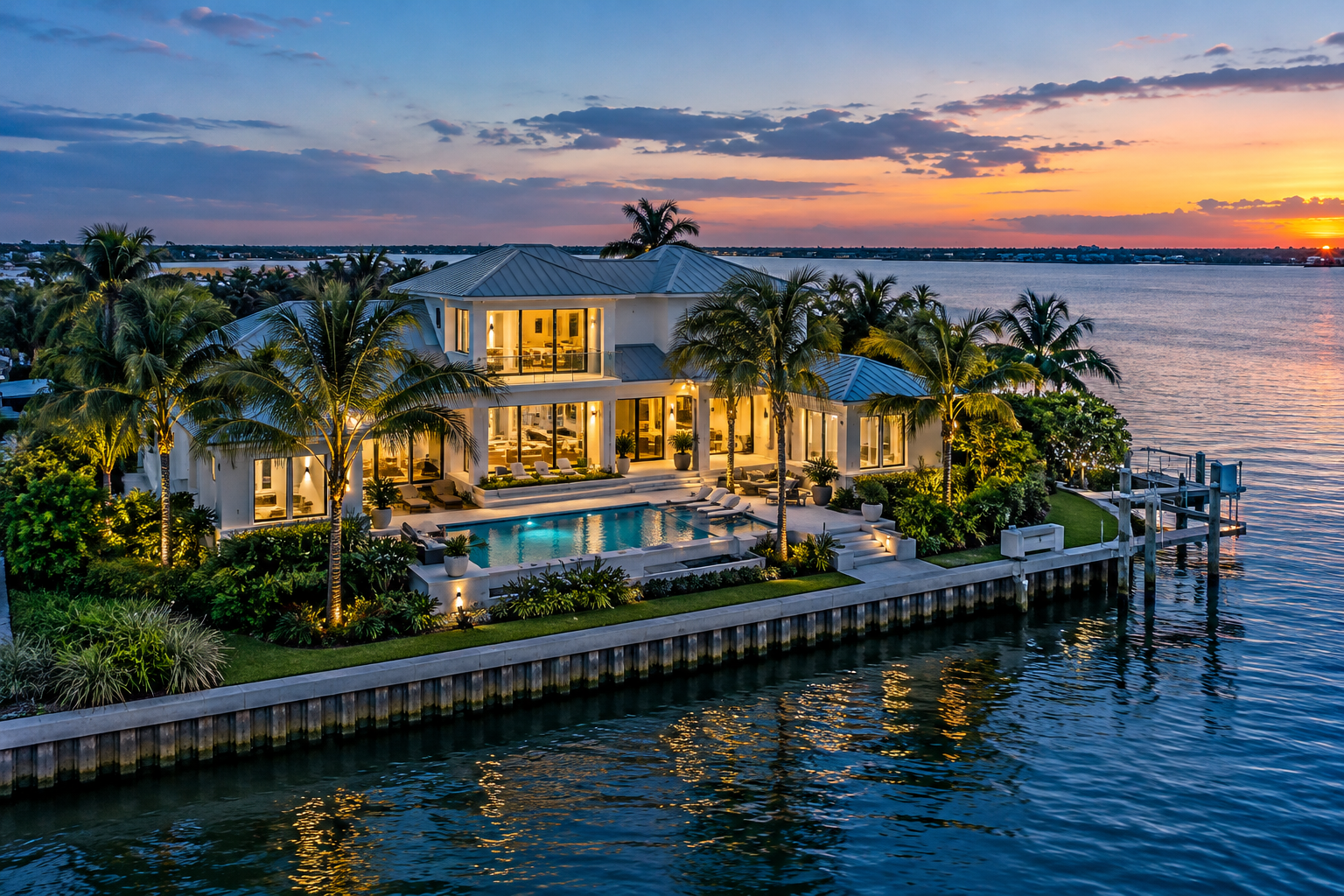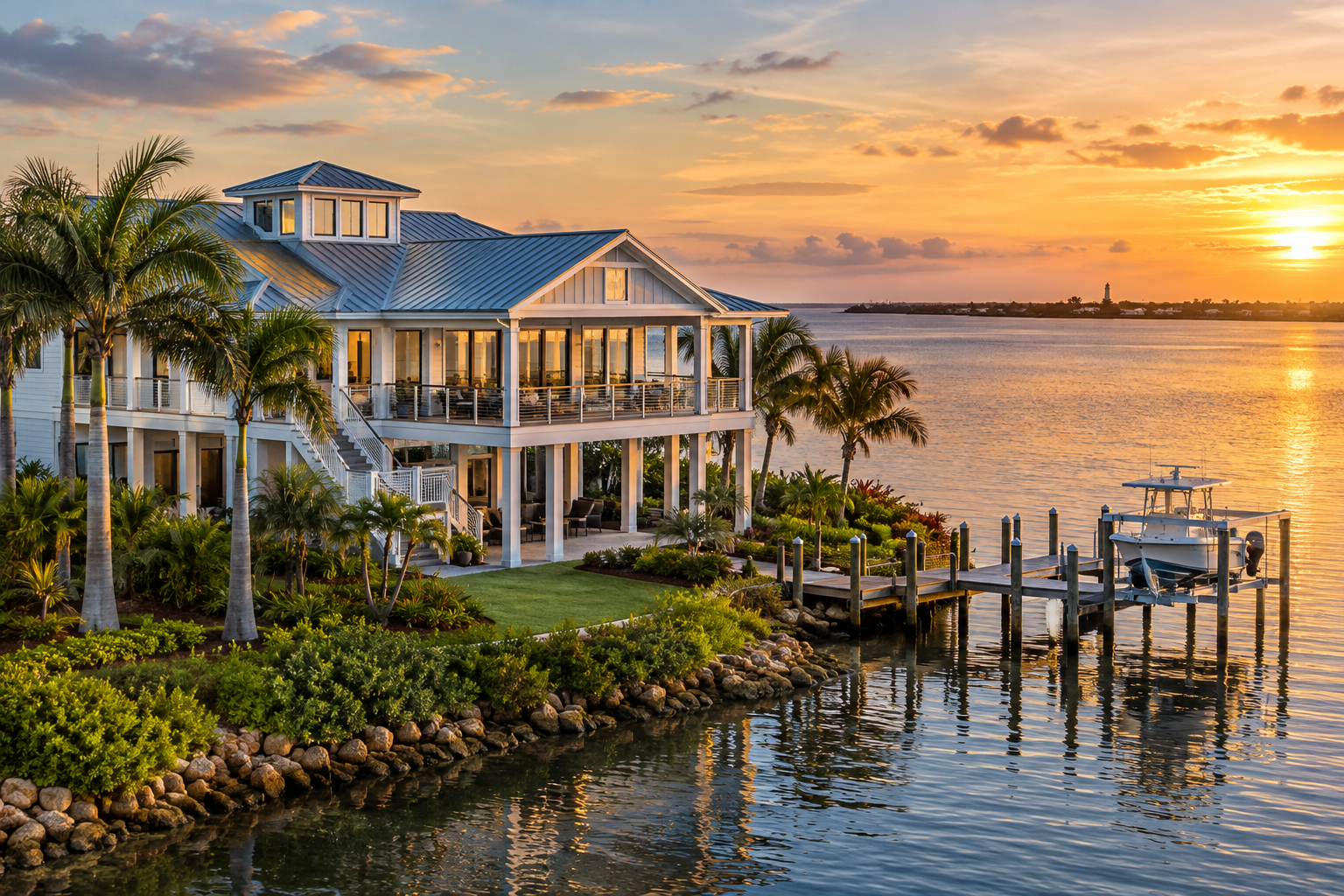

Barrier-island buyers in Vero Beach often focus on the view, the finishes, and the distance to the beach, then discover the real cost sits in the structure and the insurance file. In 32963, a property along the Atlantic side can carry very different monthly obligations than a mainland home near the Indian River Lagoon, and the gap usually shows up in flood map status, association reserves, seawall condition, and whether the building has already been through major repair cycles.
Flood Zone AE vs. X Changes More Than the Insurance Quote
A home in Flood Zone AE is not automatically a bad purchase, but it should be treated as a different financial profile from a property in Zone X. AE can trigger lender flood requirements, higher premiums, and the need for an elevation certificate that proves how the finished floor sits relative to base flood elevation. That matters on the barrier island, where a few inches of elevation can change how insurers and underwriters view the risk. On the other hand, Zone X does not mean flood-free; storm surge, king tides, heavy rainfall, and lagoon backflow can still affect drainage on both the island and mainland. Buyers who want to understand the premium spread should obtain quotes early and compare them with the asking price, especially when the home has older mechanicals, limited freeboard, or a history of water intrusion. Local buyers also benefit from reviewing flood insurance assumptions before they get attached to a property, because the monthly payment can shift significantly once the underwriter sees the survey, the construction type, and the exact flood map designation.
Association Documents Reveal the True Cost of Coastal Ownership
For condos and townhomes, the biggest surprise is often not the mortgage; it is the association budget. Buildings on the barrier island, especially older oceanfront or near-lagoon communities, can face concrete restoration, roof replacement, railing repairs, elevator work, and window upgrades after years of salt exposure. Florida’s condo safety requirements now make building-age questions impossible to ignore, and a buyer should review any available engineer reports, reserve funding, inspection timelines, and board minutes before making an offer. If the property is subject to a condo milestone inspection, the findings can influence everything from special assessments to financing terms and resale appeal. Even well-kept associations may have deferred capital work that does not show up in the listing photos but will show up in the next budget cycle, so the smartest buyers read the documents with the same seriousness they bring to the contract price.
4-Point Buyer Due-Diligence Checklist
- Get a flood-zone and elevation review before you write a full-price offer. Ask for the flood map designation, the elevation certificate if one exists, and an independent insurance quote that reflects the actual structure, not a guess.
- Study the association financials line by line. Review the budget, reserves, special assessment history, pending litigation, insurance policy limits, and any engineer or reserve study tied to the building or neighborhood common elements.
- Inspect the coastal hard assets. On the barrier island, seawalls, roofs, impact openings, stucco, balconies, and drainage paths can all create future costs. On the mainland, pay attention to lot grading, outfalls, and how stormwater moves during heavy rain.
- Verify permit history and code compliance. In Indian River County, open permits, expired permits, or unpermitted work can slow closing and create expensive surprises later, especially when a buyer needs to refinance, insure, or renovate.
Final Considerations for Vero Beach Buyers
The best Vero Beach purchase is not always the lowest-priced listing or the prettiest ocean view; it is the property whose risk profile matches your budget, your tolerance for assessments, and your long-term plans. A barrier-island condo in 32963 may offer location convenience, but it can also bring higher insurance, stricter association oversight, and upcoming structural work. A mainland home may avoid some of that pressure while still demanding attention to drainage, wind mitigation, and flood exposure near the lagoon or inland waterways. Buyers who compare total ownership costs, not just list prices, are far better positioned to choose a home that performs well in both calm seasons and storm season.
Is flood zone X always the safer buy in Vero Beach?
Not automatically. Zone X usually signals lower mapped flood risk than AE, but it does not eliminate flooding from rainfall, surge, or drainage issues. The better question is how the property actually performs on-site, what the elevation data shows, and whether the insurance quote fits the buyer’s budget.
Should buyers avoid older condos near the ocean?
No, but they should review them differently. Older coastal buildings can be excellent purchases when the reserves are healthy, the inspection history is clean, and the association has already addressed major structural items. If those documents are thin or the assessments are unclear, the risk deserves a harder look.
For tailored guidance and experienced local representation, connect with MacEvoy Real Estate Co. to protect your coastal investment.