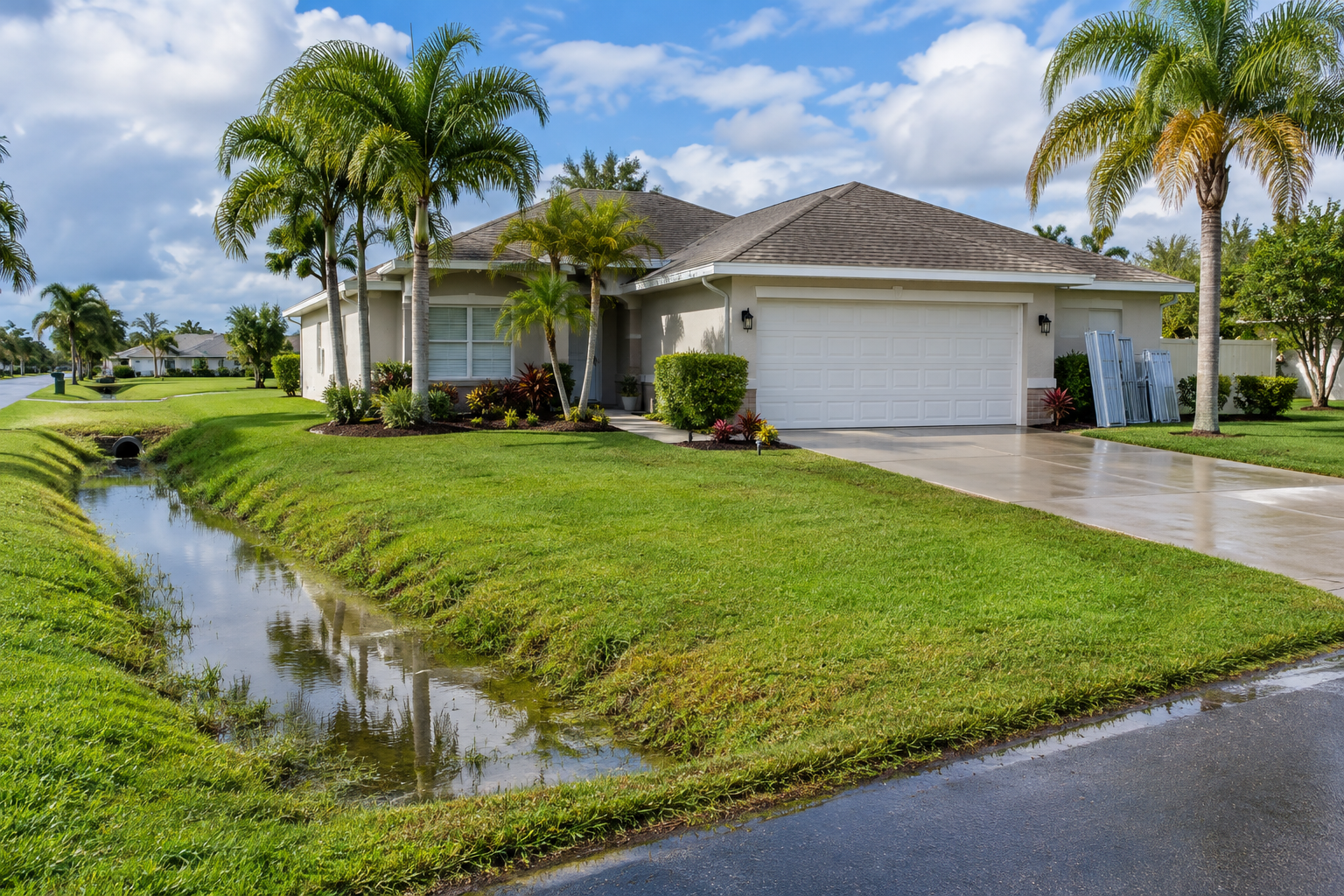
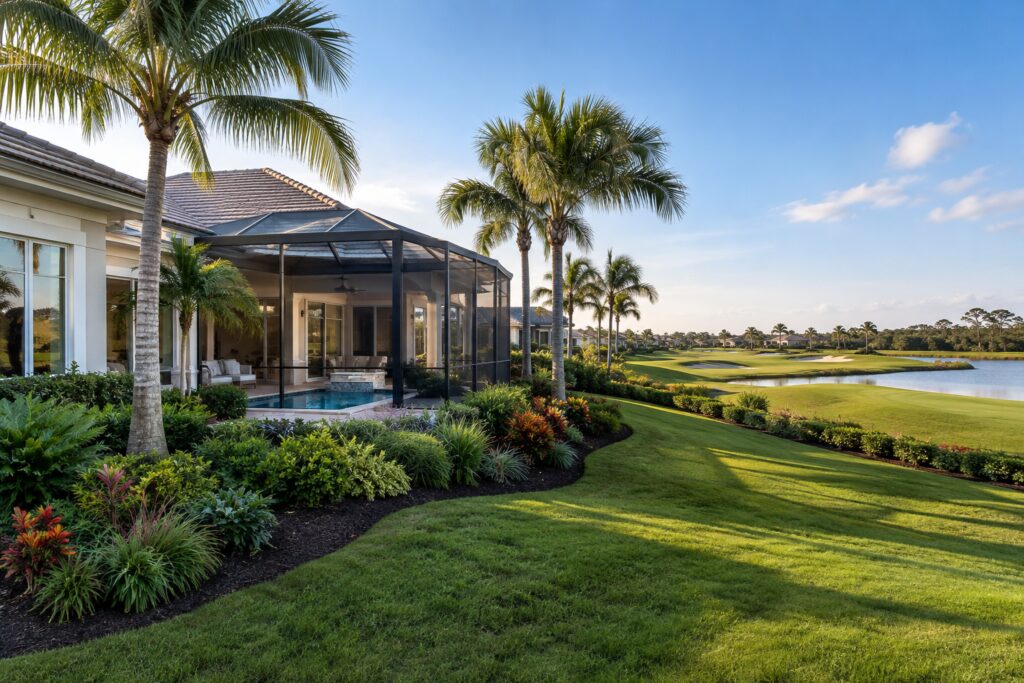
A Vero Beach fairway home can look straightforward during a showing and still hide the most important numbers in the file: whether the club is equity or non-equity, whether a membership is mandatory at closing, how the master association shares irrigation and stormwater costs, and whether the lot line sits close enough to invite both maintenance headaches and an occasional golf ball through the lanai screen.
Equity Ownership, Non-Equity Privileges, and the Fees Buyers Actually Inherit
In Indian River County, the club structure can change the real cost of ownership more than a granite countertop or a new roof. Buyers comparing Golf Communities and Country Club Real Estate should read the membership documents before they compare the fairway view, because equity clubs usually treat membership as a share in the organization, while non-equity clubs are more often operator-controlled and fee-driven. That difference affects voting rights, the transfer process, resale marketing, and whether a buyer can walk away from a golf membership without buying out an obligation they never wanted.
The details that matter most are rarely highlighted in the listing remarks. Ask whether the initiation fee is mandatory or optional, whether it is due at closing or after approval, whether the fee is refundable, and whether the club requires a separate capital contribution when a property changes hands. In some communities, the seller pays a transfer charge and the buyer inherits ongoing dues only. In others, the buyer must purchase a membership tier to close, even if golf access is not part of their lifestyle plan. Annual dues, food minimums, cart fees, and locker charges can look modest in isolation, but they stack quickly once the club layer is added to HOA fees, insurance, and ordinary maintenance.
Resale value also depends on the buyer pool. A mandatory membership can strengthen the golf culture and protect course amenities, but it can narrow the market to purchasers who want the club. Optional programs create more flexibility, yet they can also produce a split community where some owners use the club and others do not. That split matters to lenders and to future buyers, especially if the community has a mix of single-family homes, villas, and condo units with different use rules. A property in a club community is not just a home purchase; it is a financial commitment to a second set of covenants, budgets, and approval procedures.
Fairway Setbacks, Irrigation Easements, and the Liability Buyers Need to Understand
A private fairway changes more than the view. It can also change setback expectations, landscaping choices, and how much protection the owner has if a drive slices into the side yard. Course-edge homes should be reviewed with the survey in hand, because the plat, easements, and association rules may limit fences, hedges, netting, or hard barriers that a buyer would normally assume are available. Even where a lot appears wide enough, the actual buildable area can shrink once you account for drainage swales, utility access, and landscaping buffers that were designed to keep the course functioning, not to maximize privacy.
Errant golf ball liability is another issue that too many buyers assume is covered by common sense. In reality, the declaration and club rules may disclaim responsibility for ordinary play, which means the buyer may have very little recourse if balls repeatedly strike windows, screens, or exterior finishes. If the home sits near a tee box, dogleg, or practice area, ask how often balls stray onto the property, whether the community has installed protective netting, and whether the association allows any additional screening. A fairway lot can be beautiful and still be a daily maintenance decision.
The most overlooked operational issue is the master association irrigation and stormwater system. Private fairways in coastal Florida often rely on shared wells, reclaimed water, pump stations, retention lakes, and drainage pipes that must work together during heavy rain. If the system is undersized, neglected, or dependent on a single failing pump, turf damage can show up as standing water, brown grass, sinkage, and special assessments. That risk is especially relevant in the barrier island corridor and in mainland pockets where drainage depends on community infrastructure rather than public streets. Buyers in the 32963 area should also compare flood zone AE versus X, because an inland X-zone lot with a well-run drainage plan may be less expensive to insure than a barrier island home in AE, even if both sit on the edge of a manicured course. For properties with condo components, review reserve funding and milestone inspection status as carefully as you review the club budget, because structural repairs can be just as costly as membership fees.
4-Point Due Diligence Checklist for Vero Beach Golf and Country Club Buyers
- Review the membership addendum and estoppel letter. Confirm whether membership is mandatory or optional, whether the club is equity or non-equity, and exactly which fees are due at closing, after approval, or upon resale.
- Order and read the survey with the declaration. Verify setbacks, course easements, drainage swales, and any restrictions on fences, screened enclosures, or landscape buffers along the fairway edge.
- Ask for irrigation and stormwater history. Look for pump station ownership, reclaimed water arrangements, past assessments, and any recurring flooding or turf failure near your lot.
- Confirm flood and building-risk details early. Compare AE and X flood zones, coordinate insurance quotes, and if the home is in a condo or villa building, check reserve funding and milestone inspection records before you rely on the asking price.
Final Considerations for Vero Beach Buyers
Buying in a Vero Beach golf or country club community is about more than choosing a home with a green view. The right property needs a clean fit between your lifestyle, the club’s financial structure, the association’s maintenance obligations, and the actual land conditions on the site. When you understand membership transfer rules, fairway setbacks, irrigation responsibilities, and flood exposure before you write an offer, you reduce the chance of expensive surprises after closing. That is especially true in Indian River County, where barrier island premiums, mainland drainage patterns, and evolving Florida condo rules can shift the economics of ownership as much as the market itself.
Frequently Asked Questions
Can a buyer refuse a mandatory club membership in a Vero Beach golf community?
Sometimes, but only if the governing documents allow it. In many communities, a mandatory membership is tied to the property, not the owner, so the obligation transfers with the deed. The key is to verify the club structure, transfer rules, and any required initiation fee before you go under contract.
What should I ask about a home that backs up to a private fairway?
Ask about lot setbacks, errant ball history, course easements, irrigation lines, and who maintains the drainage system behind the property. You should also confirm whether any fences, hedges, or screen upgrades are allowed, because the association may limit what you can install along the course edge.
For tailored guidance and experienced local representation, connect with MacEvoy Real Estate Co. to protect your coastal investment.