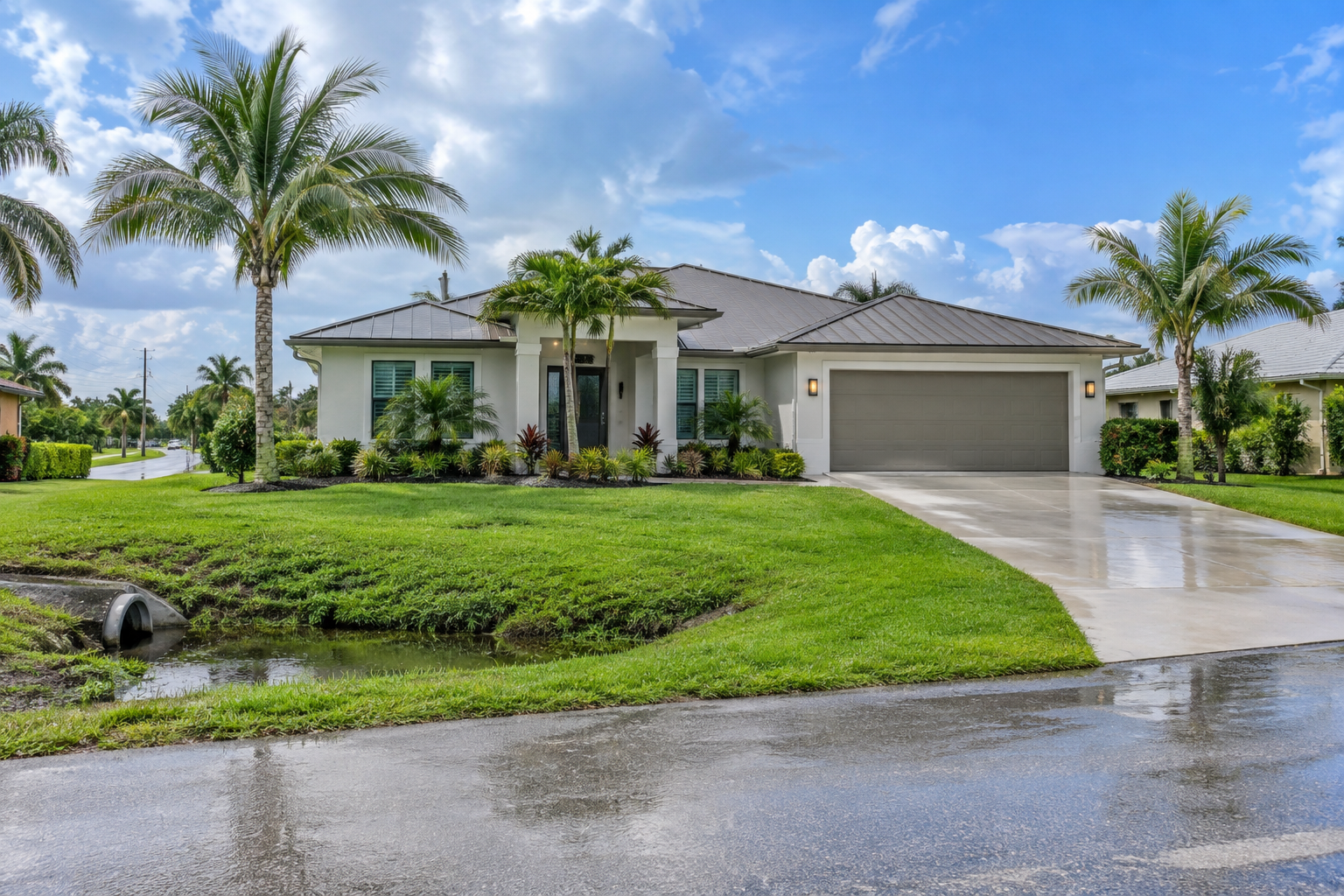

Barrier island annual leases in Vero Beach can look straightforward until the renewal notice, rent bump, and deposit paperwork all collide in the same 30-day window. On a 32963 single-family rental, Chapter 83 does not forgive sloppy timing, and a vague renewal clause can turn a routine extension into a dispute over new rent, pet permissions, and how the security deposit was handled from day one.
Renewal Escalation Clauses Need a Real Notice Clock
For fixed-term residential leases in Florida, the expiration date is not a suggestion. If the lease says the tenancy ends on a set date, the landlord generally needs the renewal language to do the work of extending the tenancy, changing the rent, or converting the lease into a month-to-month arrangement. Owners who draft Lease Renewal Clauses and monitor Security Deposits should treat the renewal package like a fresh contract, not a casual email reminder. The clause should state the exact new rent, the effective date, the notice deadline, and whether the tenant must sign an extension, accept by conduct, or give written rejection. A vague market-rate increase invites arguments, especially on the barrier island where tenants often compare walkable beach access, storm exposure, and association rules before agreeing to stay.
Month-to-month tenancies are different. Chapter 83 requires at least 15 days’ written notice before the end of the monthly rental period, so a landlord who waits too long can lose leverage and push the tenancy into the next cycle at the old rent. For annual leases, many owners in Indian River County use a longer courtesy notice window, often 60 to 90 days before expiration, because a premium coastal home takes time to re-market. That is not a statutory requirement, but it is a practical one when the property sits on the barrier island, carries HOA oversight, or needs seasonal coordination for landscaping, pool service, or hurricane shutter access. If a renewal clause also increases rent each year, the formula should be specific enough to enforce without interpretation: fixed dollar amount, percentage, or a clearly defined index. Anything less leaves room for dispute.
Deposit Accounting and Pet Addenda Must Match the Lease File
Florida security deposit rules are not optional paperwork. A landlord may hold the deposit in a non-interest-bearing account, an interest-bearing account, or under a surety bond, but the tenant must receive written notice within 30 days after the deposit is received explaining how the funds are held and whether interest applies. That notice is not the same as a move-in checklist, and it should be preserved with the signed lease, any renewal addendum, and the tenant ledger. When the tenancy ends, the landlord must either return the deposit within 15 days if there is no claim or send a written claim notice by certified mail within 30 days if deductions will be made. Good documentation matters more on coastal properties, where salt air, AC condensation, screened porch wear, and storm-related scuffs can blur the line between normal use and recoverable damage.
Pet addenda are another area where Vero Beach owners get tripped up. A single-family home on the barrier island may sit inside an HOA or condo regime that restricts size, breed, number, parking, or leash rules, but those association rules do not replace fair housing compliance. Assistance animals are not pets, so a pet fee, pet rent, or pet deposit cannot be used to charge for a service animal or reasonable accommodation request. The lease file should separate the pet addendum from any HOA acknowledgment, and it should explain who is responsible for yard damage, fence repairs, waste removal, odor remediation, and carpet cleaning after move-out. Owners who treat screening as a checkbox instead of a documented standard also create avoidable risk. Apply the same written income, credit, rental-history, and criminal-background criteria to every applicant, then keep the files organized so the decision can be defended if a denial is challenged.
Four-Point Annual Lease and Long-Term Rental Due-Diligence Checklist
- Confirm the exact lease end date, renewal option, and rent escalation language before the first renewal notice goes out.
- Verify the security deposit method, deliver the required Chapter 83 written notice, and keep proof of delivery in the lease file.
- Match the pet addendum to HOA rules, insurance limits, and fair housing obligations before the tenant moves in.
- Check the property file for flood zone status, especially AE versus X, so the rent, insurance assumptions, and maintenance duties reflect the real coastal risk.
Final Considerations for Vero Beach Buyers
For buyers who plan to hold a Vero Beach rental for the long term, the safest approach is to treat the lease as a coastal operations document, not just a rent collection tool. A sound renewal clause, a compliant security-deposit notice, and a carefully written pet addendum reduce disputes and protect the property when weather, association rules, or tenant turnover add friction. In Indian River County, the strongest lease files are the ones that anticipate barrier island realities before they become expensive problems.
FAQ
Can a landlord raise rent at the end of an annual lease in Vero Beach?
Yes, if the lease is expiring and the new rent is clearly stated in the renewal documents or timely notice. For month-to-month tenancies, Florida requires proper written notice before the next rental period starts.
What has to happen with the security deposit when a tenant moves out?
If there is no claim, the deposit should be returned within 15 days. If the landlord intends to deduct for damage or unpaid rent, a written claim notice must be sent by certified mail within 30 days after the tenancy ends.
For tailored guidance and experienced local representation, connect with MacEvoy Real Estate Co. to protect your coastal investment.