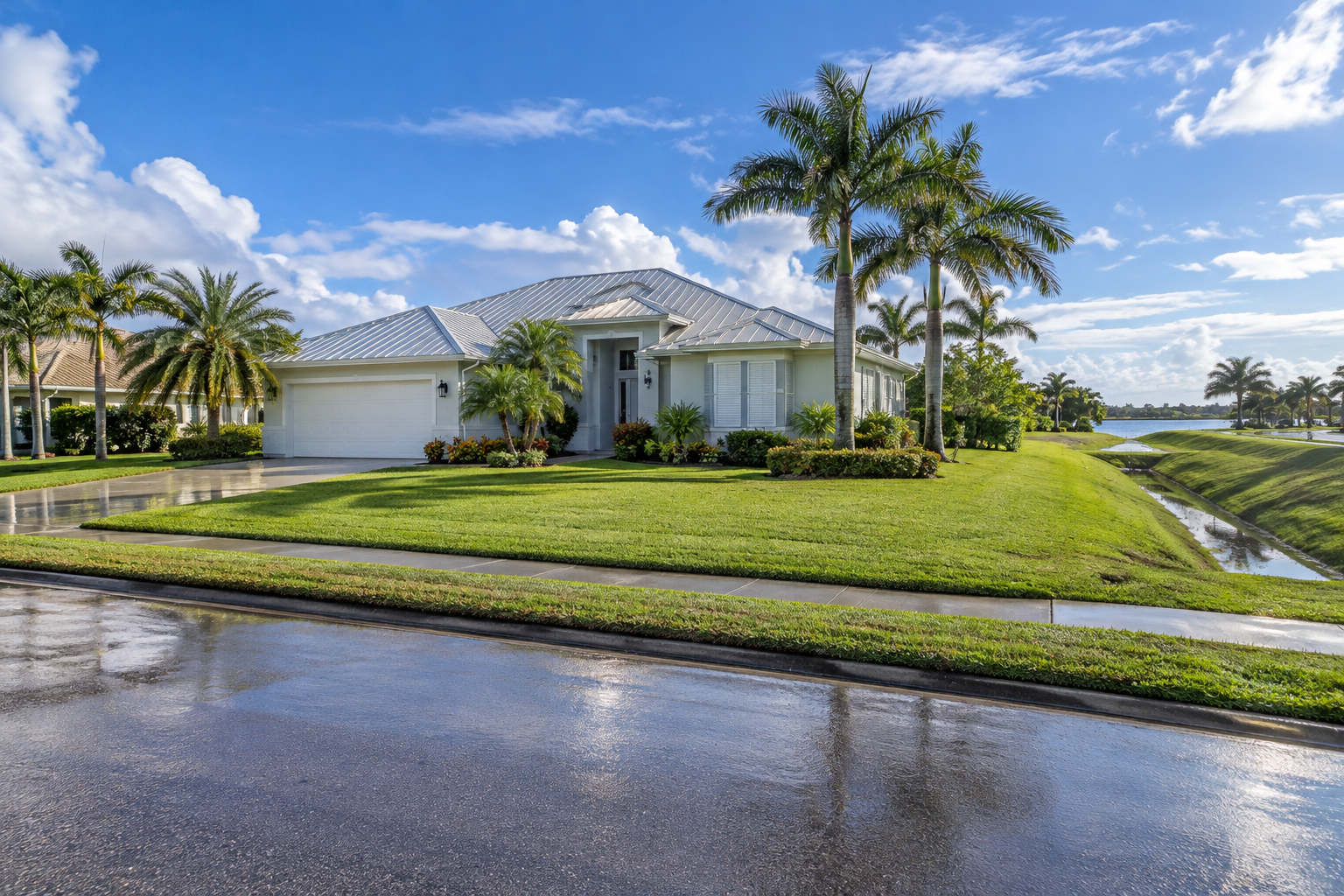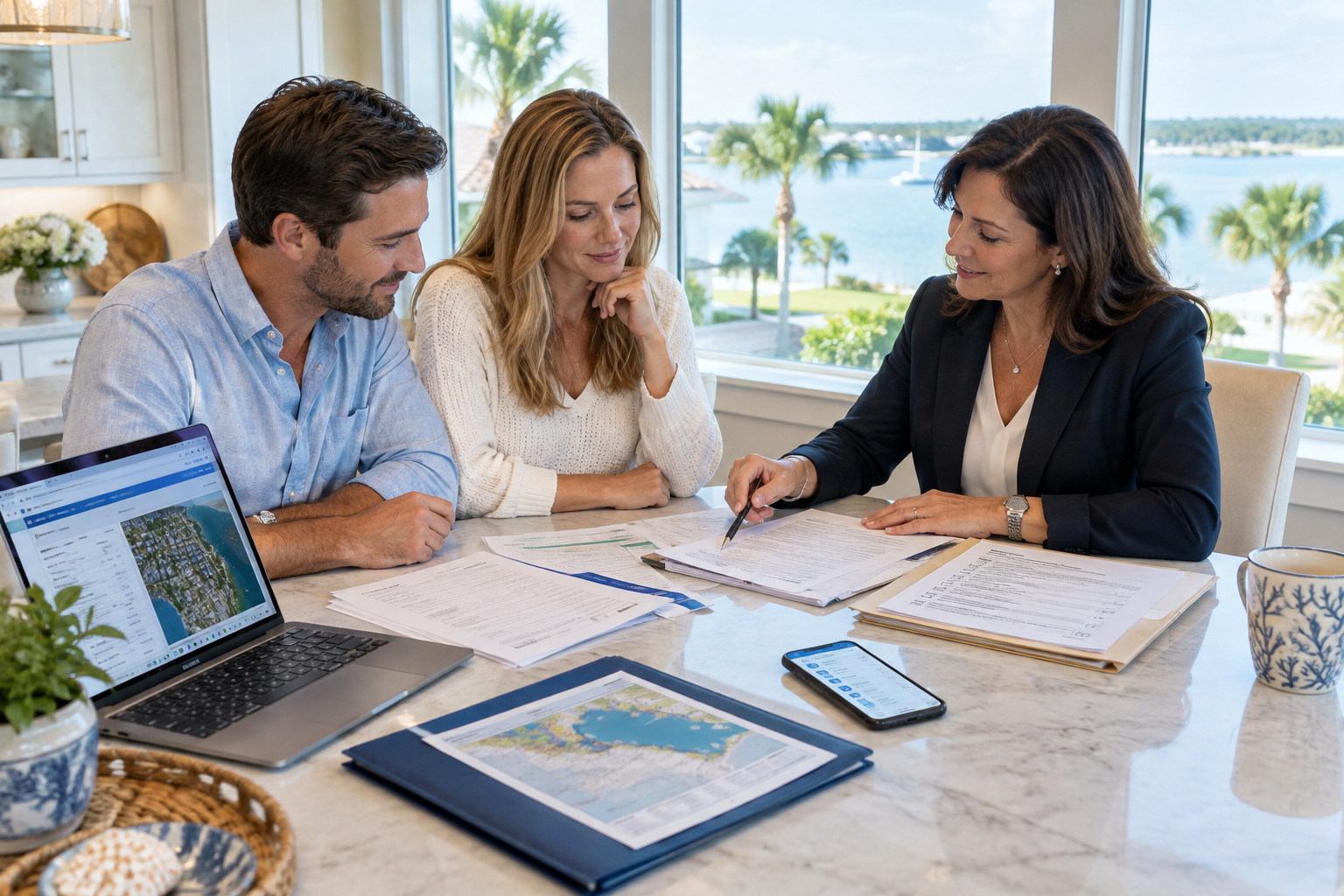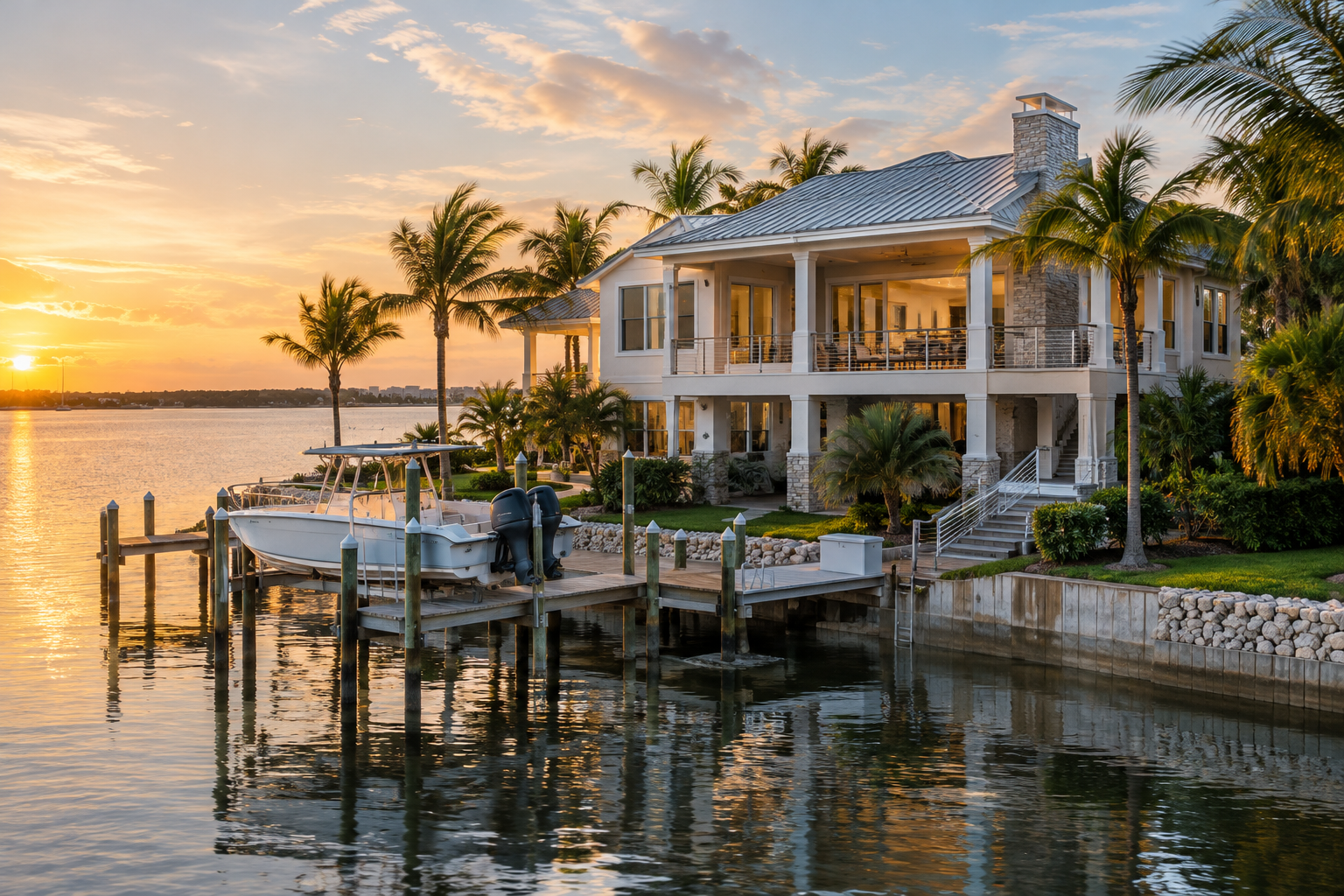
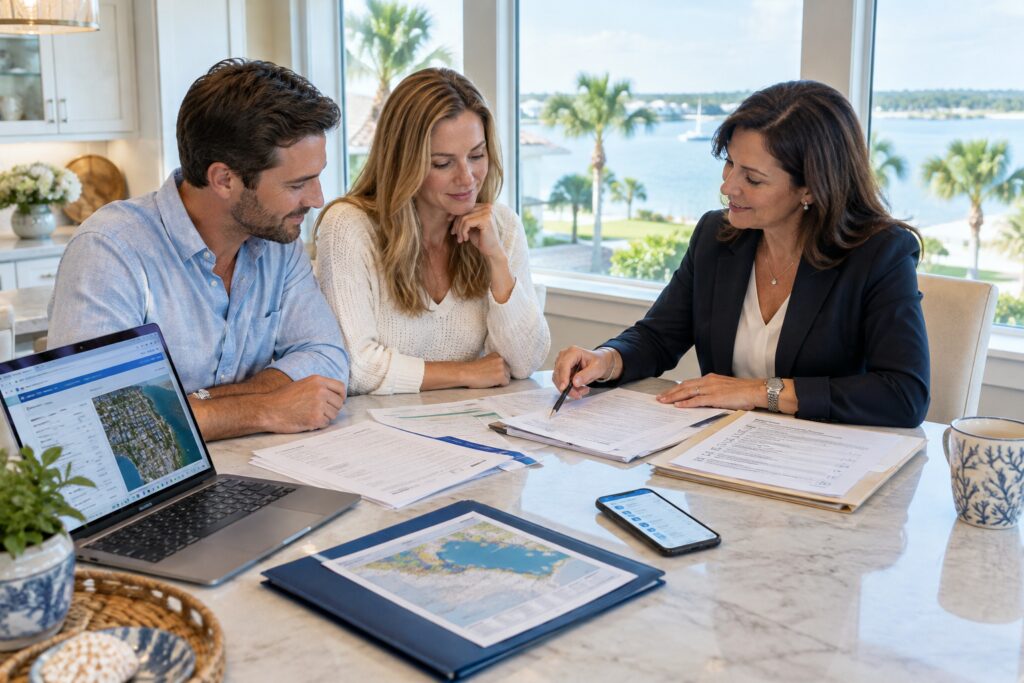
Vero Beach relocations go smoother when buyers treat Florida domicile, utility activation, and school enrollment as one sequence instead of three separate errands, because the county tax calendar, flood insurance quotes, and neighborhood utility systems do not wait for unpacking day. A closing on the mainland can require a different set of service transfers than a 32963 barrier island purchase, and the difference matters when you are trying to secure a homestead filing, lock in Save Our Homes protection, and choose between public school enrollment or a private academy transition.
Florida Domicile Timing and the Indian River County Homestead Window
Homestead treatment in Florida is tied to occupancy and intent, not just ownership, so buyers who close after January 1 should understand that the current tax year may already be off the table for exemption purposes. If you are building your Florida Domicile, update your driver license, vehicle registration, voter registration, and address records quickly, because the Indian River County Property Appraiser looks for consistent proof that the home is your permanent residence. Once the exemption is approved, Save Our Homes can cap future assessed-value increases, which is especially valuable in a market where coastal insurance, storm mitigation, and limited inventory can push prices faster than inland wage growth. The point is not to race the paperwork for its own sake; it is to make sure your tax status reflects the actual date you moved in, not the date you finally finished setting up furniture.
The filing deadline also matters. Florida homestead applications are generally due by March 1 for that tax year, and the earlier you assemble your records, the easier it is to avoid a missing document request from the property appraiser. If you are buying with a spouse, trust, or moving from another state, coordinate title, mailing address changes, and document consistency before you assume the exemption is automatic. A well-timed filing can shape your property tax bill for years, while a late filing can delay the savings until the next cycle.
Barrier Island or Mainland: Utility Maps, Flood Zones, and Condo Risk Checks
On the Vero Beach side of the Indian River Lagoon, the utility profile can change from one neighborhood to the next. Some properties connect through FPL for electric service and a county or municipal provider for water and sewer, while others on the mainland may include different district arrangements, wells, or septic systems depending on subdivision approvals and jurisdiction. Before you commit, confirm exactly which provider serves the parcel, what deposits are required, and whether any line extensions or meter changes are still outstanding. That matters because a delayed transfer can leave you waiting on internet installation, irrigation activation, or final billing adjustments after move-in.
Flood zone review is just as important. An AE designation signals a higher-risk flood area where elevation, base flood elevations, and insurance pricing deserve close attention, while an X zone may be outside the mapped high-risk area but still vulnerable to localized drainage and storm surge impacts. Barrier island buyers in 32963 should also review seawall condition, dune protection, evacuation routes, and whether the home or condo has current insurance quotes that reflect wind exposure. If the property is in an association, ask for the current budget, reserve status, milestone inspection results if applicable, and any pending special assessment tied to structural work or post-inspection repairs. For buyers comparing barrier island living with mainland options, the right question is not only commute time; it is how utility access, flood exposure, and association obligations will affect your monthly carrying costs after closing. The phrase Homestead Exemption belongs in the same conversation as flood insurance, because your long-term ownership cost depends on both.
4-Point Relocation and Due Diligence Checklist
- Confirm domicile evidence before closing day. Line up your Florida driver license, voter registration, vehicle registration, and mailing address change so the homestead file is consistent from the start.
- Map the utility sequence. Verify electric, water, sewer, internet, and irrigation providers for the exact parcel, then ask whether deposits, meter changes, or service transfers are required before occupancy.
- Review flood and insurance data. Get the flood zone, elevation certificate if available, and a current wind and flood insurance estimate before you remove contingencies.
- Check association and school impacts. For condos and HOA homes, review budgets, reserves, milestone inspections, and rental rules; if school placement matters, confirm public school boundaries and private academy application timelines early.
Final Considerations for Vero Beach Buyers
The best relocation outcomes in Vero Beach come from timing, not guesswork. Buyers who close near the start of the tax year, compare mainland and 32963 service areas carefully, and verify flood, insurance, and association details before moving in usually spend less time correcting avoidable mistakes later. Whether your priority is homestead savings, a smoother school transition, or a property that matches your storm-risk tolerance, the details in Indian River County are specific enough to reward a disciplined approach and unforgiving enough to punish a rushed one.
FAQ
What should I do first after closing if I want Florida homestead status?
Update your Florida driver license, vehicle registration, and voter registration, then file the homestead application with the Indian River County Property Appraiser as soon as you can. Keep your documents consistent so your residency proof matches the home you actually occupy.
How do I choose between the mainland and the 32963 barrier island when relocating with children?
Start with the practical differences: flood exposure, commute time, school boundaries, HOA or condo costs, and utility providers. The barrier island often trades convenience to the beach and lagoon for higher insurance sensitivity and association oversight, while mainland neighborhoods may offer more flexibility on lot size, utilities, and overall monthly costs. A local broker can coordinate the timing between closing, homestead filing, and utility activation so you do not lose momentum in your move. For tailored guidance and experienced local representation, connect with MacEvoy Real Estate Co. to protect your coastal investment.