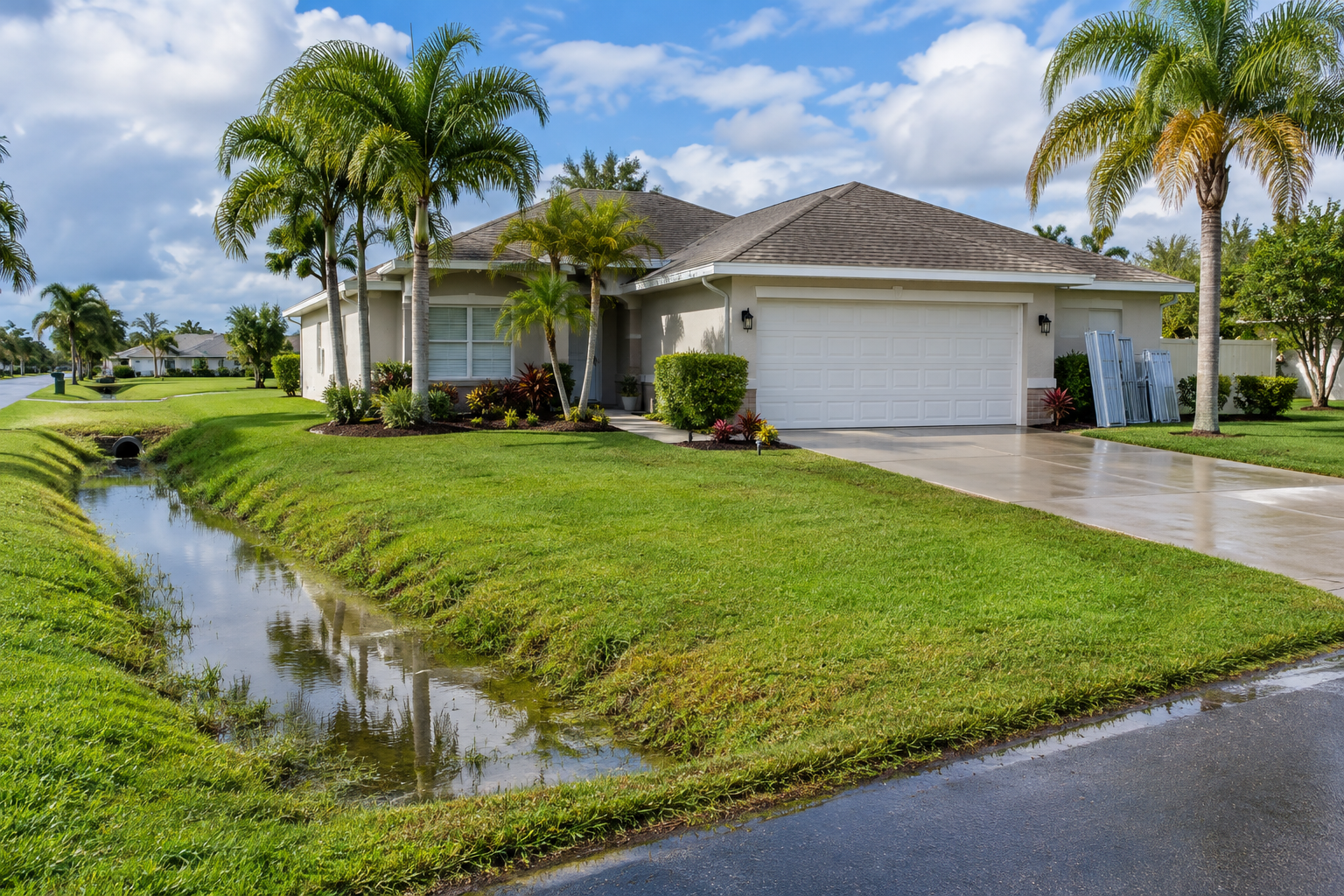

On a 32963 barrier-island rental, the renewal fight usually starts with one sentence in the lease: the clause that says when rent changes, how the new number is calculated, and whether the tenant gets enough time to decide before the home shifts from a 12-month term to month-to-month status. In Vero Beach, that clause has to work alongside Chapter 83, flood-zone realities in AE or X, HOA or condo rules, and the practical cost swings that come with living near the Indian River Lagoon and the Atlantic.
Renewal Escalation Clauses: Make the Trigger, Timing, and Proof Visible
Florida law does not rescue a vague renewal clause after the fact, so the lease should say exactly when the landlord may offer a renewal, how much notice the tenant gets, and what evidence supports any increase. If the home is on the barrier island and the owner wants rent tied to insurance, property taxes, or documented market movement, the formula should be written in plain language instead of left as a future conversation. A clause that says rent will be set by market conditions without a notice window or comparison method is a dispute waiting to happen, especially when a 32963 home competes against mainland inventory with different insurance and flood costs. MacEvoy Real Estate Co. treats lease renewal clauses as negotiation points, not boilerplate, because the rental math on a coastal property changes faster than most owners expect.
For Indian River County owners, the cleanest approach is to set one written notice deadline, one renewal deadline, and one fallback if the tenant does not sign. That prevents the common problem of a landlord trying to increase rent after the tenant has already budgeted for another year, or after HOA approval delays have compressed the timeline. If the property sits in AE rather than X, or if an insurance carrier tightens wind coverage, the lease should still say that any increase applies only at renewal unless the contract expressly allows otherwise. Long-term tenants respond better to predictable renewal language than to surprise adjustments layered on top of late notices and oral promises.
Security Deposits and Pet Addenda: The Two Documents That Decide Most Move-Out Fights
Chapter 83 turns security deposit handling into a paper trail, not a handshake. The landlord should give the required written notice about where the deposit is held and whether it is in an interest-bearing or non-interest-bearing account, then follow the move-out deadlines for any claim against the deposit. If the owner intends to keep part of the deposit, the statute requires prompt written notice after the tenant leaves, and if there is no claim, the deposit must be returned on time. The safest lease language does not wait until move-out to explain the process; it identifies the deposit account method, the mailing address for notices, and the type of documentation that will support deductions for damage beyond normal wear and tear.
Pet terms on a barrier-island single-family rental need the same level of precision. A valid pet addendum should separate ordinary coastal wear from actual pet damage, address waste removal, odor control, lawn repair, screened lanai screening, and any HOA restrictions that apply to animals, parking, or yard use. It should also make clear that service animals and assistance animals are handled under applicable law, not treated as pets. In a Vero Beach home close to salt air, sand, and storm preparation needs, the pet addendum should say who is responsible for cleanup after a hurricane warning, whether outdoor pets are allowed during evacuation events, and whether the tenant must restore landscaping or fencing at move-out. That level of detail protects the owner, the tenant, and the association file if a dispute ends up in mediation or court.
4-Point Annual Lease and Long-Term Rental Due-Diligence Checklist
- Confirm the property’s flood zone, insurance profile, and any AE versus X exposure before finalizing renewal language or projecting future rent.
- Review HOA, condo, parking, pet, occupancy, and amenity rules so the lease does not promise access the association can later deny.
- Match the deposit disclosure, account method, and move-out claim deadlines to Florida Chapter 83 before the first tenant signs.
- Put the renewal notice date, escalation trigger, and fallback term in one clean section so both sides know exactly what happens at expiration.
Final Considerations for Vero Beach Buyers
For Vero Beach buyers acquiring a rental property, the lease is part of the asset, not an afterthought. A home on the barrier island may need different renewal wording than a mainland property because insurance, flood exposure, HOA enforcement, and tenant expectations all affect cash flow and retention. Buyers who plan to hold a property as an annual or long-term rental should review rent escalation language, security deposit procedures, pet addenda, and association rules before closing, not after the first renewal cycle. When those documents are aligned with Chapter 83 and the actual realities of Indian River County, the rental performs more smoothly and with far less legal friction.
FAQ
How much notice should a Vero Beach landlord give before increasing rent at renewal?
Florida does not impose a single universal notice period for every annual lease renewal, so the lease should state the exact deadline in writing. In practice, many owners use 30 to 60 days before expiration so the tenant can decide whether to renew or vacate without guesswork.
Can a barrier-island lease use a pet addendum without creating a legal problem?
Yes, if the addendum is specific about pet responsibilities, aligns with HOA rules, and treats service animals separately from pets. For tailored guidance and experienced local representation, connect with MacEvoy Real Estate Co. to protect your coastal investment.